


Tattoo Ink Safety: Pigment Labels, Batch Tracking, and Sterile Handling – A Professional Studio Guide
Why Ink Safety Matters in Professional Tattooing
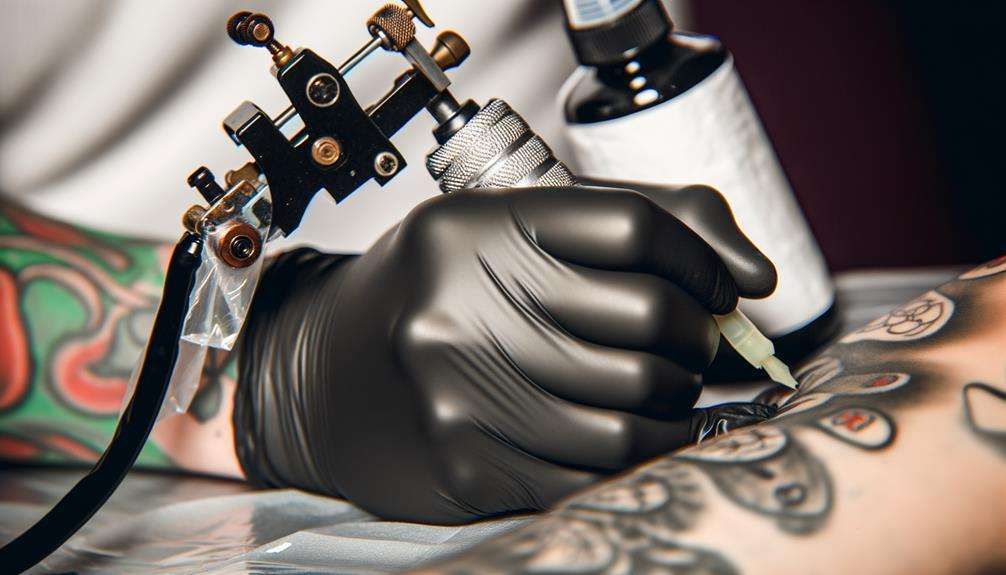
As a tattoo professional, you know that ink is the heart of your art. But beyond color and consistency, every bottle carries a responsibility. Contaminated or mislabeled inks can cause infections, allergic reactions, and serious legal issues. This guide covers the essential pillars of ink safety: pigment labels, batch tracking, storage, contamination prevention, disposable setups, documentation, and client communication. No fluff, just actionable steps to keep your studio safe and your reputation solid.
1. Decoding Pigment Labels
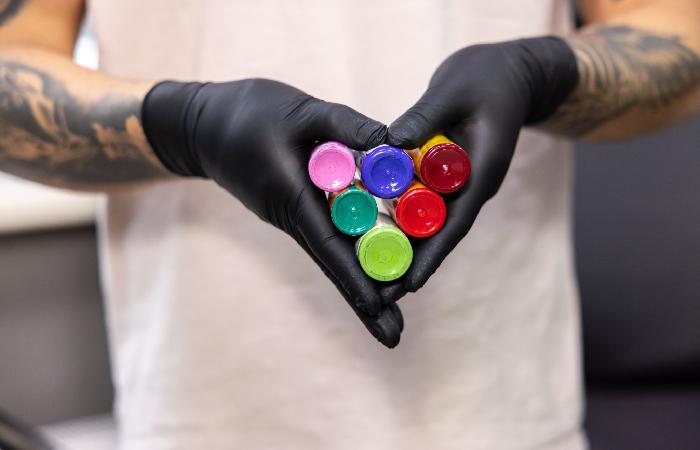
Every ink bottle must have a clear label. Check for: manufacturer name, batch number, expiration date, ingredients list, and color index (CI) number. Avoid inks with vague descriptions like “mystery mix.” In the EU, inks must comply with REACH regulations; in the US, the FDA has guidance but no pre-market approval. Look for brands that voluntarily submit to third-party testing (e.g., by CTL or Eurofins).
What to Look For
- Batch number: essential for traceability.
- Expiration date: never use expired ink.
- Ingredients: avoid known allergens like nickel or cobalt.
- Sterility claim: must say “sterile” and be gamma-irradiated or autoclaved.
Caveat: Some pigments are not approved for injection anywhere. Carbon black (black ink) is generally safe, but colored pigments often contain heavy metals. Check the Material Safety Data Sheet (MSDS) from the manufacturer.
2. Batch Tracking: Why and How
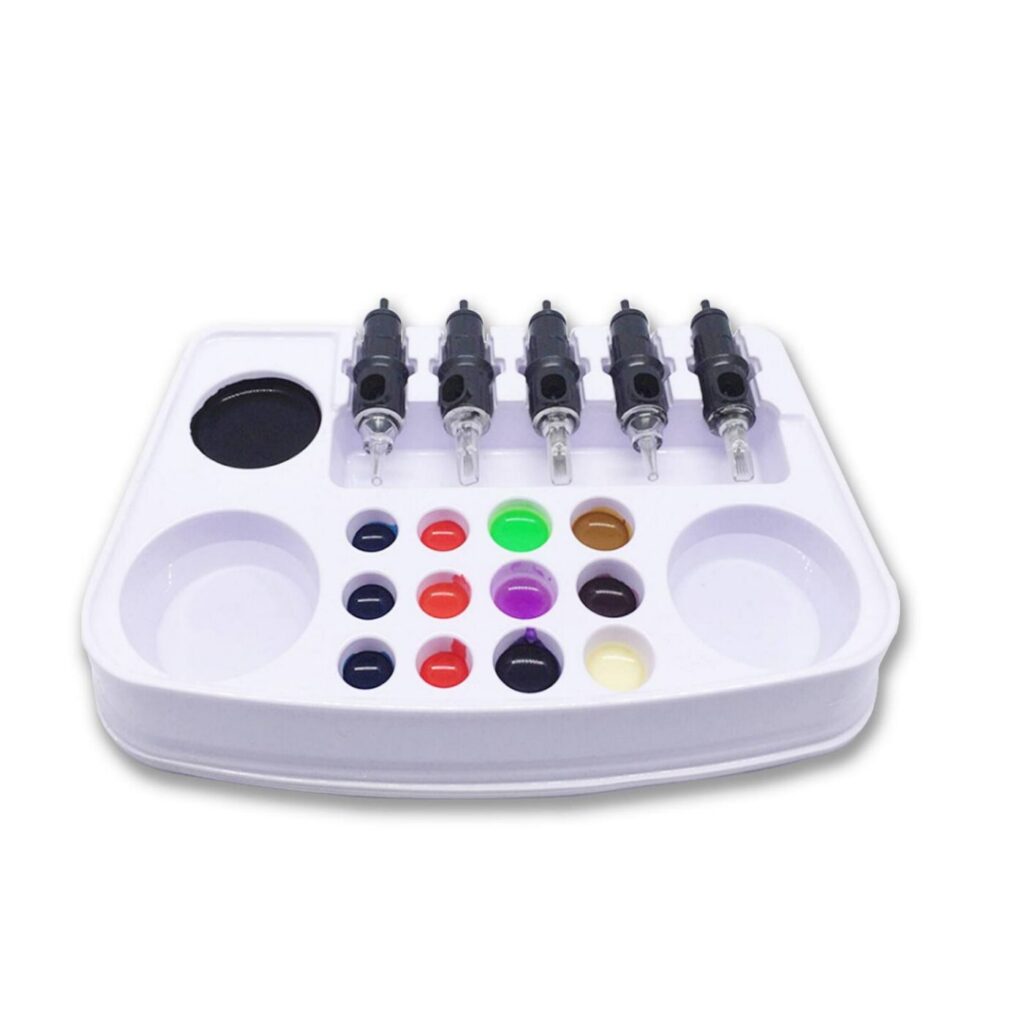
Batch tracking allows you to recall a specific ink if a problem arises. Implement a simple system: record the batch number, date opened, and client name for every session. Use a logbook or digital tool like InkMaster or Tattoo Manager. This is not just good practice—in some regions, it’s a legal requirement (e.g., in Germany under the Tattoo Ink Ordinance).
Example: If a client reports an infection, you can check which batch was used and whether other clients had issues. Without tracking, you’re flying blind.
3. Proper Ink Storage

Ink degrades with heat, light, and air. Store bottles in a cool, dark cabinet (15–25°C / 59–77°F). Never freeze. Keep caps tightly sealed. Use a separate refrigerator for ink if you store large quantities, but never share with food. Single-use ink caps are mandatory—never pour back unused ink into the original bottle.
Checklist for Storage
- Temperature log daily.
- No direct sunlight.
- Ink bottles upright.
- Expired ink disposed of properly (check local hazardous waste rules).
4. Contamination Prevention
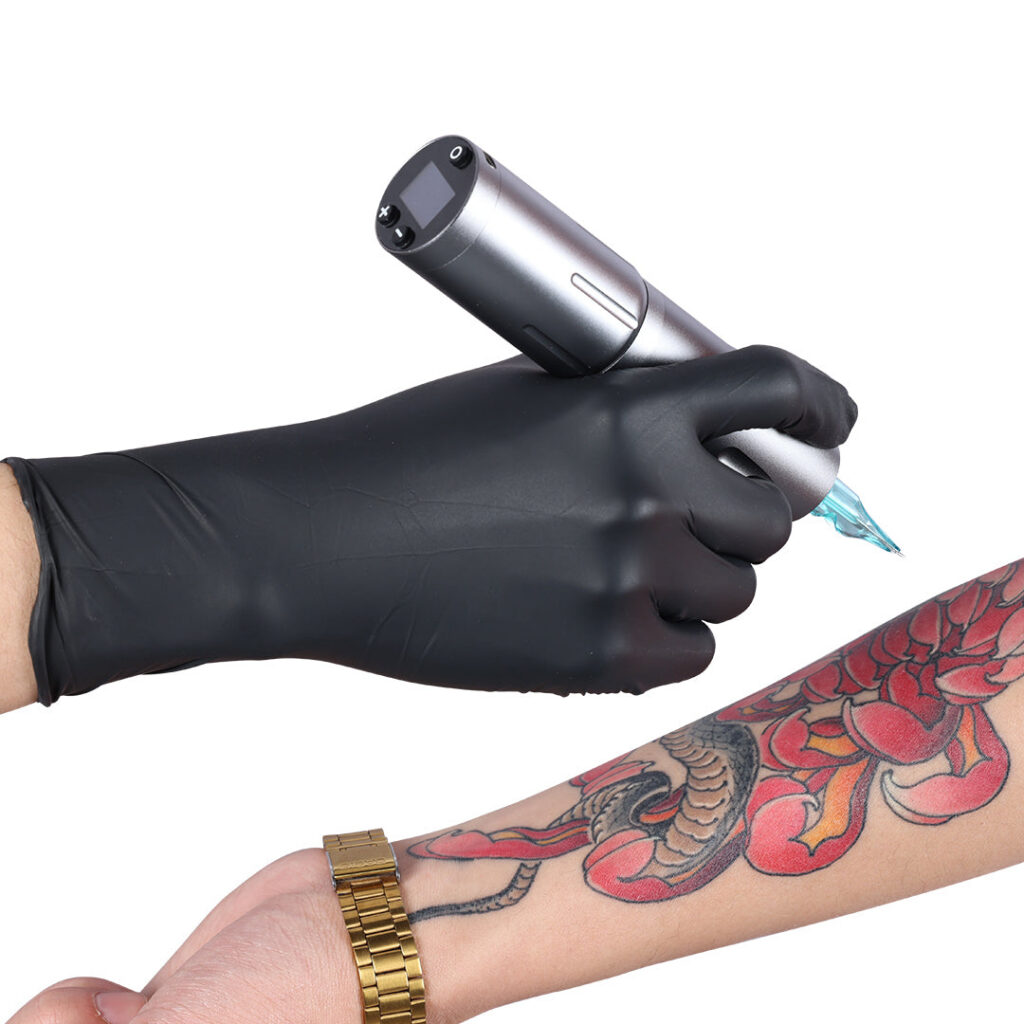
Contamination can happen at any point: during manufacturing, bottling, or use. Never use ink from a bottle that has been opened for more than 24 hours (unless it’s a single-use vial). Always use sterile, single-use ink caps and transfer ink with a sterile syringe. Avoid dipping needles directly into the bottle—that’s a contamination highway.
Caveat: Even “sterile” inks can be contaminated if handled improperly. Assume every bottle is potentially contaminated once opened.
5. Disposable Setup: No Shortcuts
Every client gets a fresh, sterile setup. This includes: sterile gloves, barrier film on machines and cords, disposable ink caps, single-use needles and tubes, and a clean work surface. Lay out everything before the client arrives. Use a color-coded system for different ink colors to avoid cross-contamination.
Step-by-step:
- Wash hands and put on new gloves.
- Set up sterile tray with all items.
- Open ink caps and fill with sterile ink using a syringe.
- Cover machine and cord with barrier film.
- After the session, dispose of all single-use items in biohazard waste.
6. Documentation: Your Legal Shield
Keep records for at least 3 years (or as required by local law). Each record should include: client name, date, design, ink brand and batch number, needle type, and any reactions. Digital records are easier to search. Also keep copies of your MSDS sheets and supplier invoices.
Why it matters: If a health department inspects your studio, you’ll need to show traceability. In a lawsuit, good documentation can be your best defense.
7. Client Communication
Educate your clients about ink safety. Provide a pre-tattoo consultation that covers:
- What inks are used and their ingredients.
- Possible allergic reactions (reds and yellows are most common).
- Aftercare instructions that emphasize cleanliness.
- What to do if they suspect an infection.
Give them a copy of the batch number for their records. Transparency builds trust.
FAQ
1. Can I use ink that has no batch number?
No. Without a batch number, you cannot trace the ink if a problem occurs. It’s a red flag for safety.
2. How long can an opened ink bottle be used?
Generally, 24 hours for standard bottles, but check the manufacturer’s guidelines. Single-use vials are best.
3. What should I do if a client has an allergic reaction?
Advise them to see a doctor. Record the batch number and report the reaction to the manufacturer and local health authority.
4. Are all tattoo inks sterile?
No. Only inks labeled “sterile” and processed by gamma irradiation or autoclaving are sterile. Many inks are only “biocide-free” or “manufactured in clean conditions.”
For more studio safety resources, check our magazine and consultation pages.
Keep exploring Vietnam Tattoo
- Browse Ranking for notable studios by city, style, and intent.
- Search studios by city, verification level, and contact channel.
- View verified profiles to check approved and verified entries.
- Request a consultation if you need help choosing style, placement, or a suitable studio.
Content hub
Pro corner hub
Read more about needles, inks, machines, cartridges and safer professional practice.
Related reading
Continue reading
Tattoo Stencil Troubleshooting: Smudging, Transfer Gel, and Skin Prep – A Studio Workflow Guide
Master stencil application with this practical guide covering smudging causes, transfer gel selection, and a step-by-step skin prep…
Tattoo Machine Stroke Length: Lining, Shading, and Color Packing Decisions – A Pro Guide
Master the relationship between stroke length and tattoo results. Expert guide on lining, shading, and color packing machine…
The Pro’s Guide to Tattoo Ink Mixing: Greywash, Color Dilution & Safety Workflow
Master ink mixing for pros: greywash ratios, color dilution techniques, and a step-by-step safety workflow to prevent contamination…