Tattoo Cartridge Needle Guide: Round Liner, Magnum, Curved Magnum & Taper Angle – A Technical Guide for Professionals
Introduction
Choosing the right cartridge needle is a fundamental skill for any tattoo professional. This technical guide covers round liners, magnums, curved magnums, taper angles, membrane types, grouping, and hygiene workflows. We’ll break down specialist vocabulary into plain language, provide concrete checks, and offer step-by-step guidance to help you make informed decisions.
Understanding Cartridge Needle Basics
What is a Cartridge Needle?
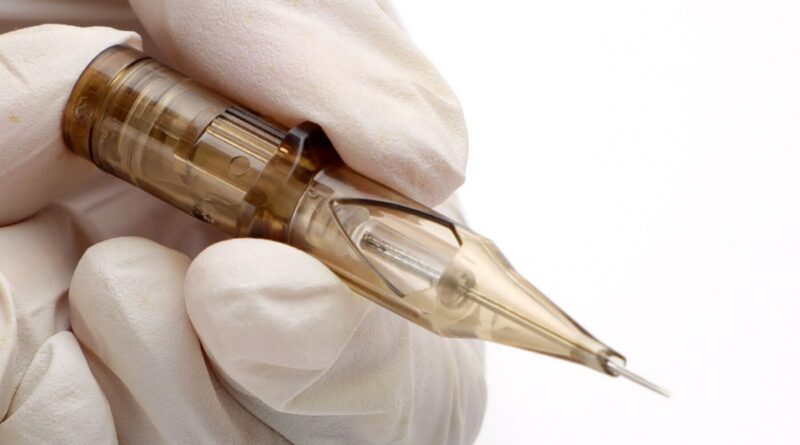
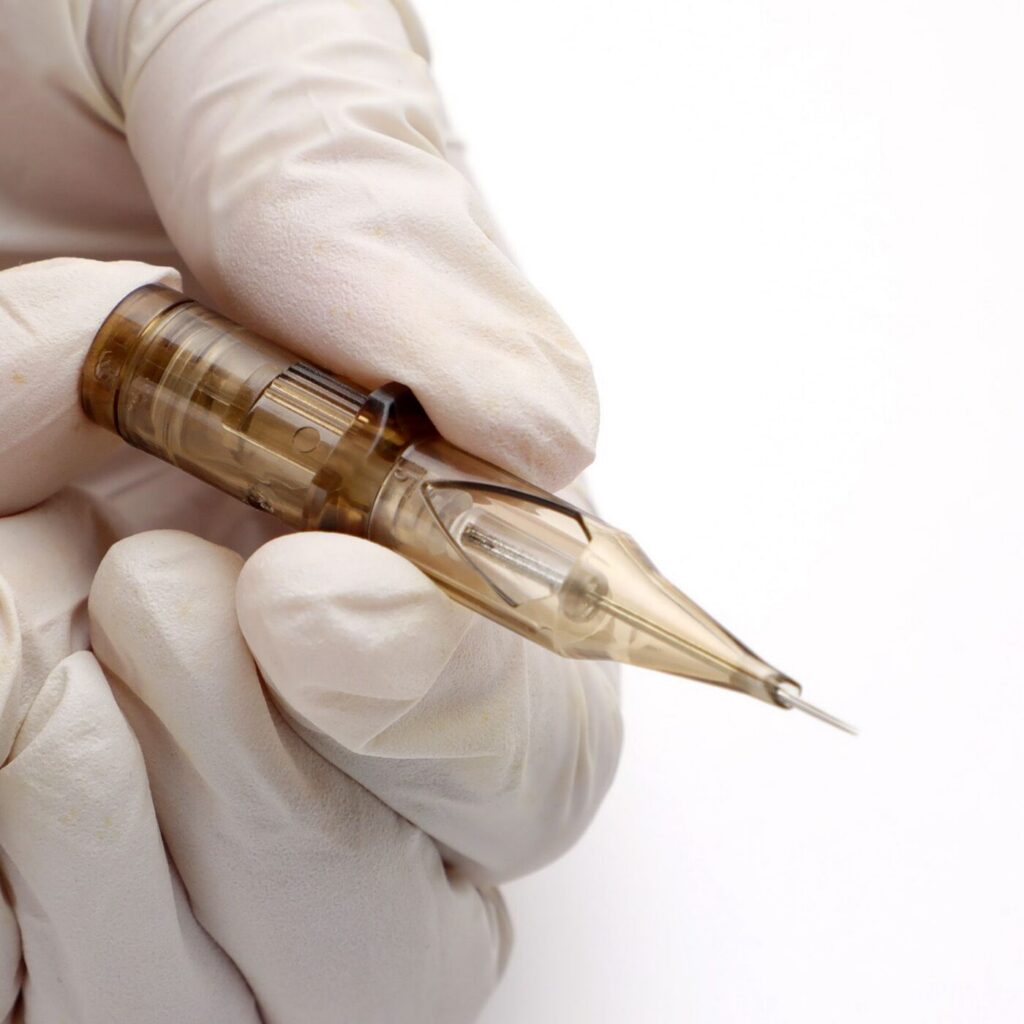
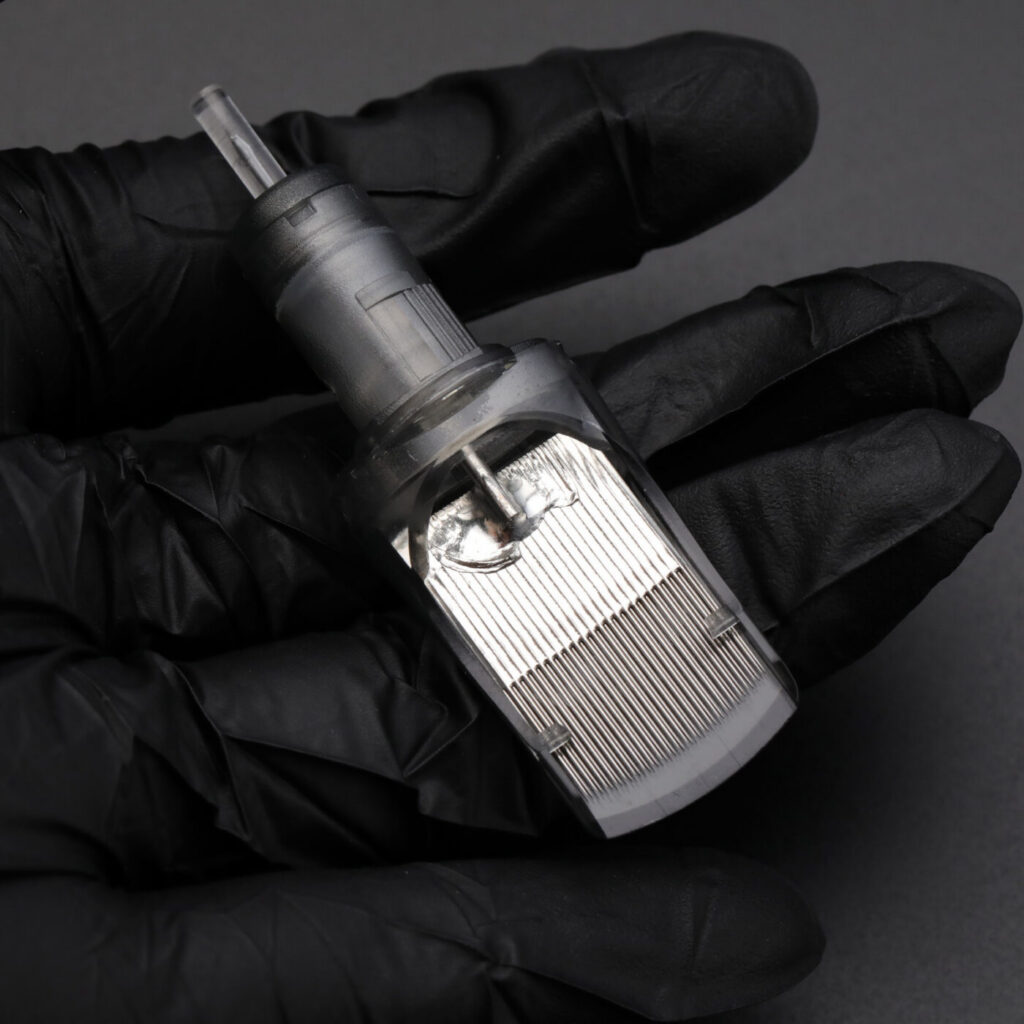
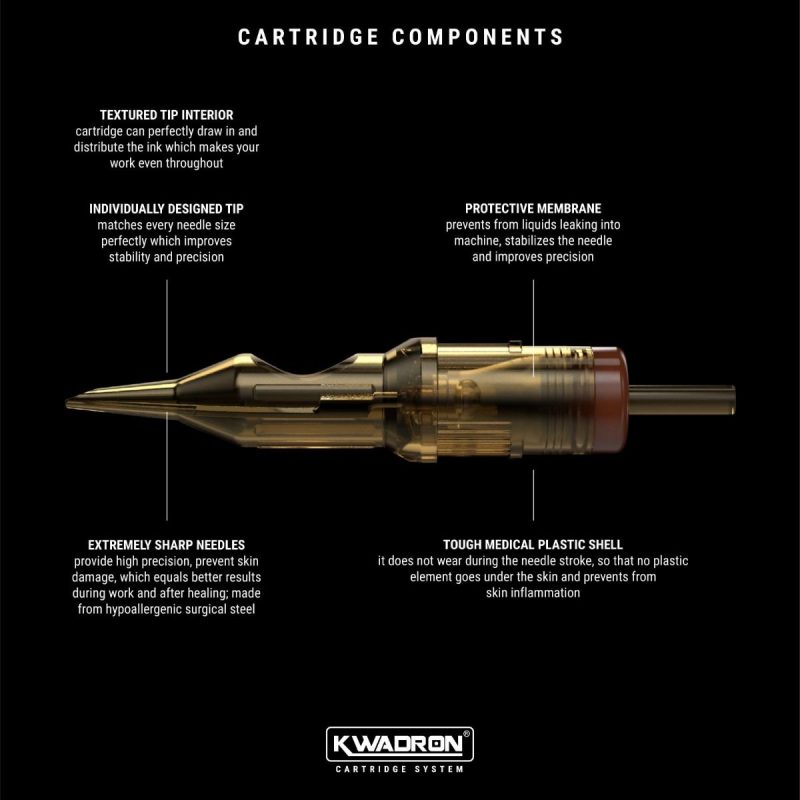
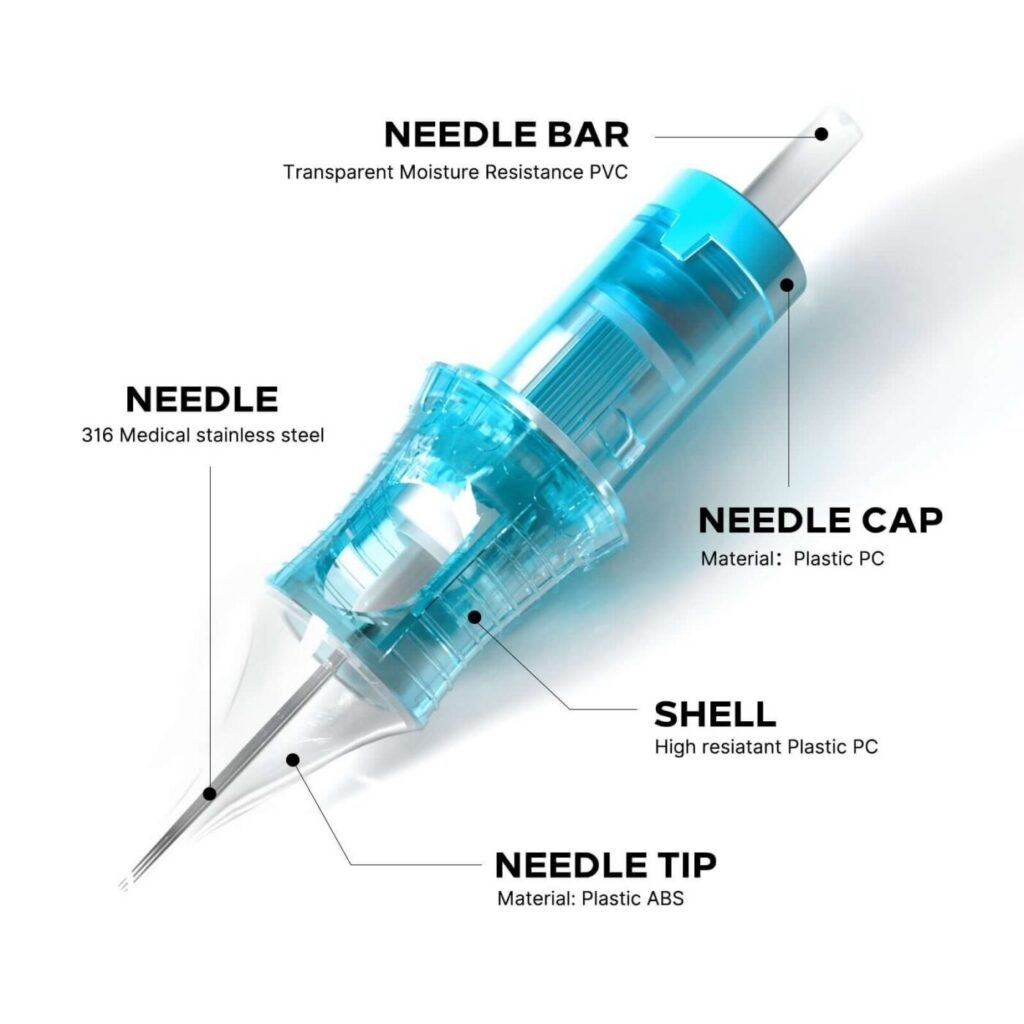
A cartridge needle is a pre-sterilized, single-use unit that combines the needle grouping, membrane, and tube into one disposable piece. It attaches to a tattoo machine via a disposable grip or direct connection. The main components are the needle group (number and arrangement of needles), taper (the shape of the needle tip), and membrane (which controls ink flow and prevents backflow).
Key Terminology Explained
- Needle Grouping: The number and configuration of individual needles soldered together. For example, a 7 round liner (7RL) has seven needles arranged in a circle.
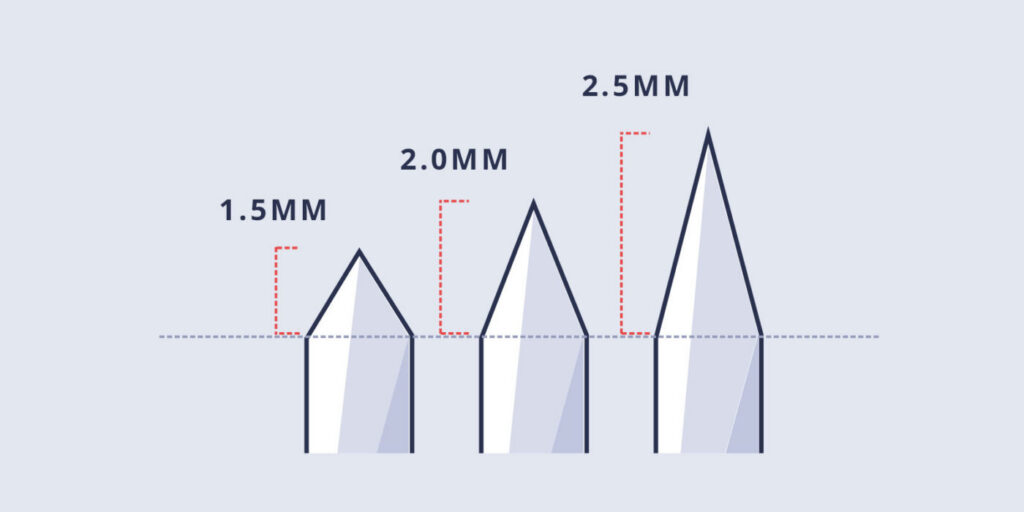
- Taper: The angle at which the needles are ground to a point. Common tapers include long (e.g., 1.5 cm) and short (e.g., 0.5 cm).
- Membrane: A silicone or rubber barrier that separates the needle from the tube, preventing ink from traveling up the machine.
Round Liner (RL) Needles
Design and Use Cases
Round liners consist of needles arranged in a tight circle. They are primarily used for lining, fine details, and stippling. Common sizes range from 3RL to 14RL. Smaller groupings (3RL, 5RL) are ideal for fine lines and delicate work, while larger groupings (9RL, 11RL, 14RL) are used for bold outlines and thicker lines.
Concrete Check: When using a 3RL for fine line work, ensure your machine voltage is set between 7-9V with a moderate hand speed to avoid blowing out the line.
Magnum (M) Needles
Flat and Stacked Configurations
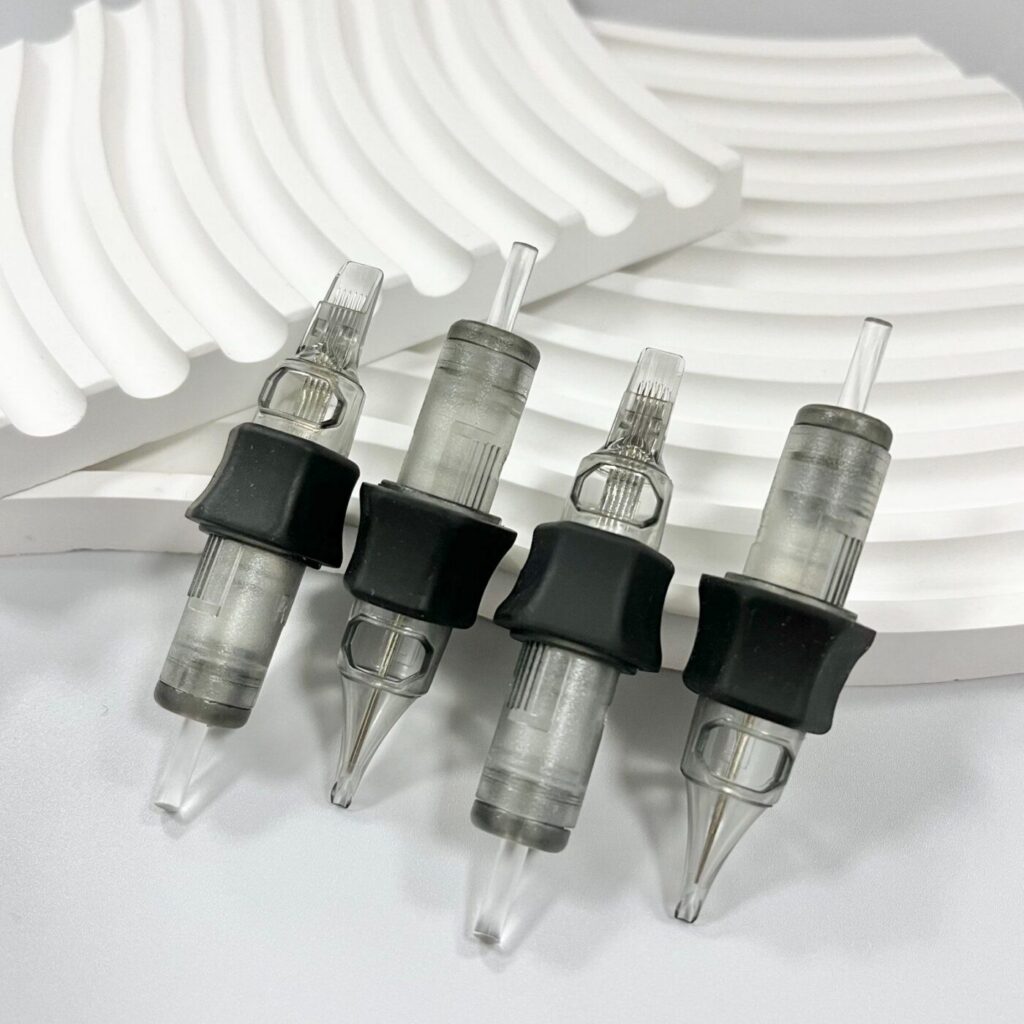
Magnum needles have needles arranged in a flat row or stacked rows. They are designed for shading, color packing, and blending. Common types include flat magnums (e.g., 7M, 9M) and stacked magnums (e.g., 5M2, 7M3). The flat configuration covers a wider area in one pass.
Use Cases: Use a 7M for soft shading in realism tattoos, and a 9M for packing solid color in traditional designs.
Curved Magnum (CM) Needles
Ergonomics and Shading
Curved magnums feature a slight curve in the needle grouping, allowing for smoother shading on curved body parts. They are excellent for blending and creating gradient effects. The curve reduces the need to tilt the machine, making it easier to follow contours.
Caveat: Curved magnums require a slightly different hand motion – practice on synthetic skin before using on clients to get the feel.
Taper Angle Explained
Long vs. Short Taper
Taper angle affects how the needle enters the skin. A long taper (e.g., 1.5 cm) creates a gradual point, resulting in smoother lines and less trauma. A short taper (e.g., 0.5 cm) creates a sharper point, ideal for crisp lines but more aggressive on the skin. Medium tapers (1.0 cm) are a balance.
Decision Guide: For fine line geometric tattoos, use a long taper. For bold Japanese traditional lining, a short taper is preferred.
Membrane Types and Their Impact
Silicone vs. Rubber Membranes
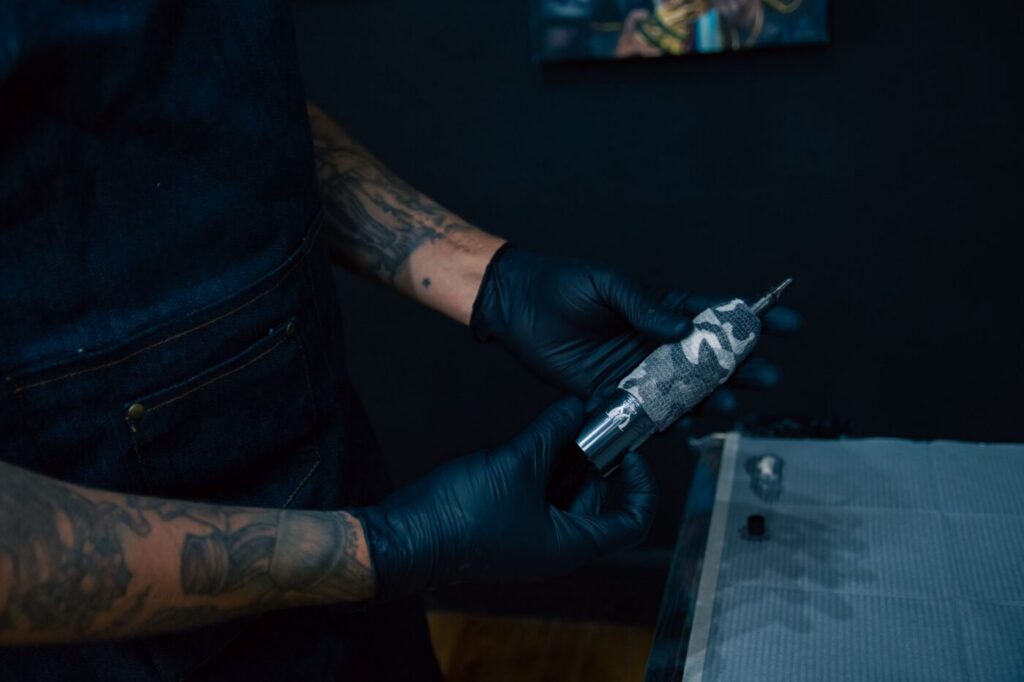
Membranes are the barrier that prevents ink and fluids from entering the machine. Silicone membranes are more durable and provide consistent tension, while rubber membranes are softer and offer more feedback. Some cartridges have a vented membrane to reduce pressure buildup.
Checklist: Before each session, inspect the membrane for tears or debris. Replace immediately if compromised.
Hygiene Workflow for Cartridge Needles
Step-by-Step Protocol
- Wash hands thoroughly and put on gloves.
- Open sterile cartridge packaging in front of the client.
- Attach cartridge to the machine without touching the needle.
- After use, remove cartridge and dispose of in a sharps container.
- Wipe down machine and grip with hospital-grade disinfectant.
Important: Never reuse cartridges. Always use a fresh sterile unit for each client.
Comparison: Round Liner vs. Magnum vs. Curved Magnum
| Type | Best For | Skin Trauma | Learning Curve |
|---|---|---|---|
| Round Liner | Lining, fine details | Moderate | Low |
| Magnum | Shading, color packing | Higher | Low |
| Curved Magnum | Shading on curves | Lower | Medium |
FAQ
1. How do I know which taper to use for a specific style?
For fine lines and delicate work, use a long taper. For bold lines and traditional styles, use a short taper. Experiment on practice skin to find your preference.
2. Can I use a magnum for lining?
While possible, magnums are not ideal for precise lining. They are designed for shading and packing. Use a round liner for clean lines.
3. How often should I change the membrane?
Membranes are part of the cartridge and should be changed with each new cartridge. Never reuse a cartridge.
4. What is the best way to practice with curved magnums?
Start on synthetic skin with a curved surface, like a practice arm. Focus on smooth, even passes without overworking the skin.
For more advanced techniques, check out our tattoo consultation guides and top-rated cartridge brands.
Keep exploring Vietnam Tattoo
- Browse Ranking for notable studios by city, style, and intent.
- Search studios by city, verification level, and contact channel.
- View verified profiles to check approved and verified entries.
- Request a consultation if you need help choosing style, placement, or a suitable studio.
Content hub
Pro corner hub
Read more about needles, inks, machines, cartridges and safer professional practice.
Related reading
Continue reading
Tattoo Stencil Troubleshooting: Smudging, Transfer Gel, and Skin Prep – A Studio Workflow Guide
Master stencil application with this practical guide covering smudging causes, transfer gel selection, and a step-by-step skin prep…
Tattoo Machine Stroke Length: Lining, Shading, and Color Packing Decisions – A Pro Guide
Master the relationship between stroke length and tattoo results. Expert guide on lining, shading, and color packing machine…
The Pro’s Guide to Tattoo Ink Mixing: Greywash, Color Dilution & Safety Workflow
Master ink mixing for pros: greywash ratios, color dilution techniques, and a step-by-step safety workflow to prevent contamination…