


The Pro Corner Guide to Tattoo Ink: Types, Pigment Safety, Storage, and Studio SOP
Introduction: Why Ink Knowledge Defines Professionalism

For tattoo artists and apprentices, mastering ink is non-negotiable. Every line, shade, and color depends on the quality, safety, and handling of pigments. This guide dives deep into tattoo ink types, pigment labeling, sterile handling, storage conditions, batch tracking, expiry, contamination risks, travel/storage mistakes, and a studio SOP checklist. Whether you’re a seasoned pro or just starting, these insights will elevate your practice and protect your clients.
Tattoo Ink Types: From Blackwork to Watercolor

Understanding the base categories of tattoo ink helps you choose the right product for each design. Here’s a breakdown of common types:
Blackwork and Grey Wash
Blackwork uses high-density carbon-based blacks for bold lines and solid fills. Grey wash is created by diluting black ink with a carrier (usually distilled water or witch hazel) to achieve gradients. Pro tip: always use sterile, pre-diluted grey wash from reputable brands to avoid contamination.
Color Pigments
Color inks contain organic or inorganic pigments suspended in a carrier. Organic pigments (e.g., modern azo-based) are brighter and less likely to cause allergic reactions, while inorganic pigments (e.g., iron oxides, titanium dioxide) are more stable but can be less vibrant. Always check the pigment index (CI) number on labels to verify composition.
Specialty Inks
Watercolor inks: low-viscosity, translucent colors for soft blends. White inks: titanium dioxide-based, often used for highlights but prone to fading and requiring careful layering. UV-reactive inks: contain phosphors that glow under blacklight; these have higher risk of adverse reactions and are banned in some regions. Fluorescent inks: similar caution advised.
Reading Pigment Labels: What to Look For
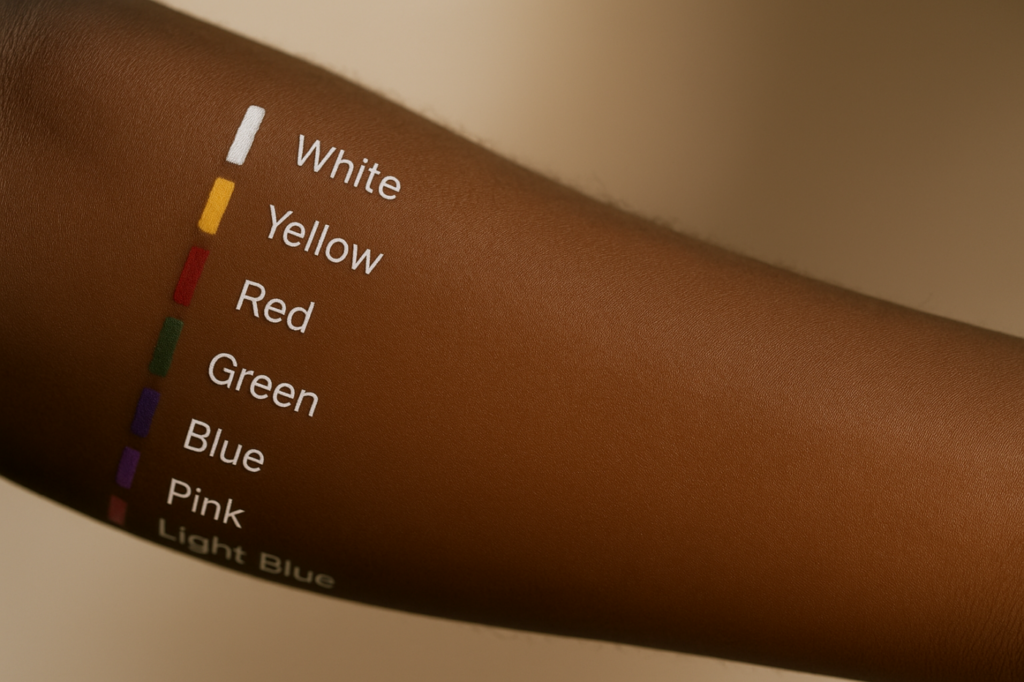
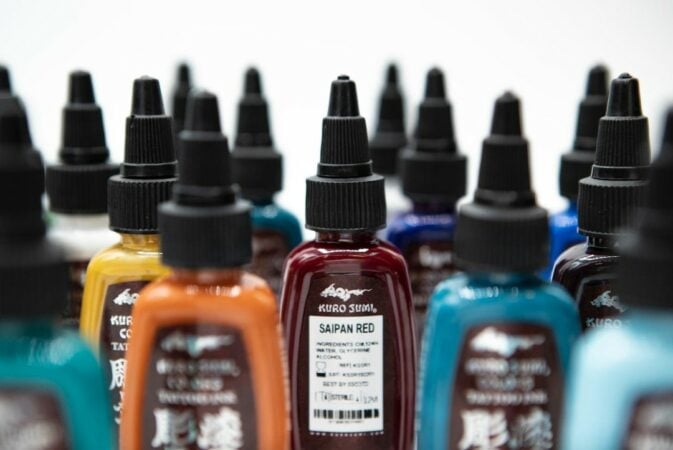
Every professional ink bottle should display: pigment name, CI number, batch number, expiry date, volume, manufacturer contact, and safety data sheet (SDS) availability. Avoid inks that only list vague terms like “natural” or “vegan” without detailed composition. Reputable brands like Eternal, Intenze, and Kuro Sumi provide transparent labeling.
Sterile Handling: Preventing Cross-Contamination
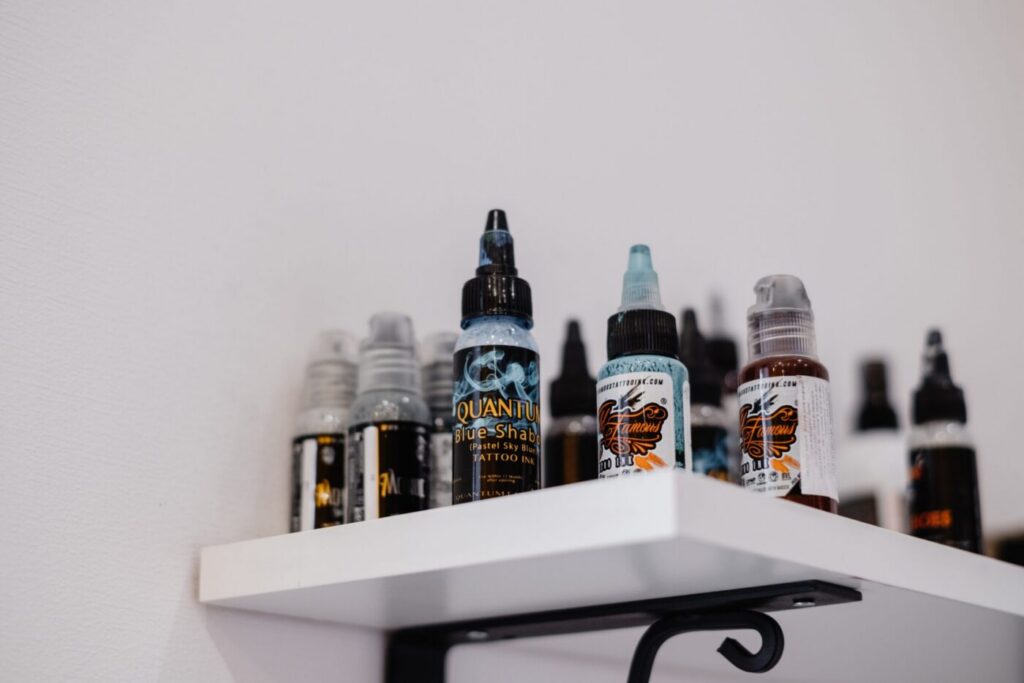
Ink caps should be single-use. Never dip a used needle directly into the ink bottle; instead, transfer a small amount into a sterile ink cap using a sterile pipette or syringe. Dispose of any leftover ink in the cap after each session. For mixing colors, use separate sterile containers for each blend. Always wash hands and wear gloves when handling ink bottles.
Storage Conditions: Temperature, Light, and Humidity
Tattoo ink should be stored in a cool, dark place (60–75°F / 15–24°C) away from direct sunlight and humidity. Avoid storing ink in refrigerators used for food or near chemicals. Extreme temperatures can cause pigment separation or bacterial growth. Check bottles for any signs of swelling, discoloration, or sediment before use.
Batch Tracking and Expiry
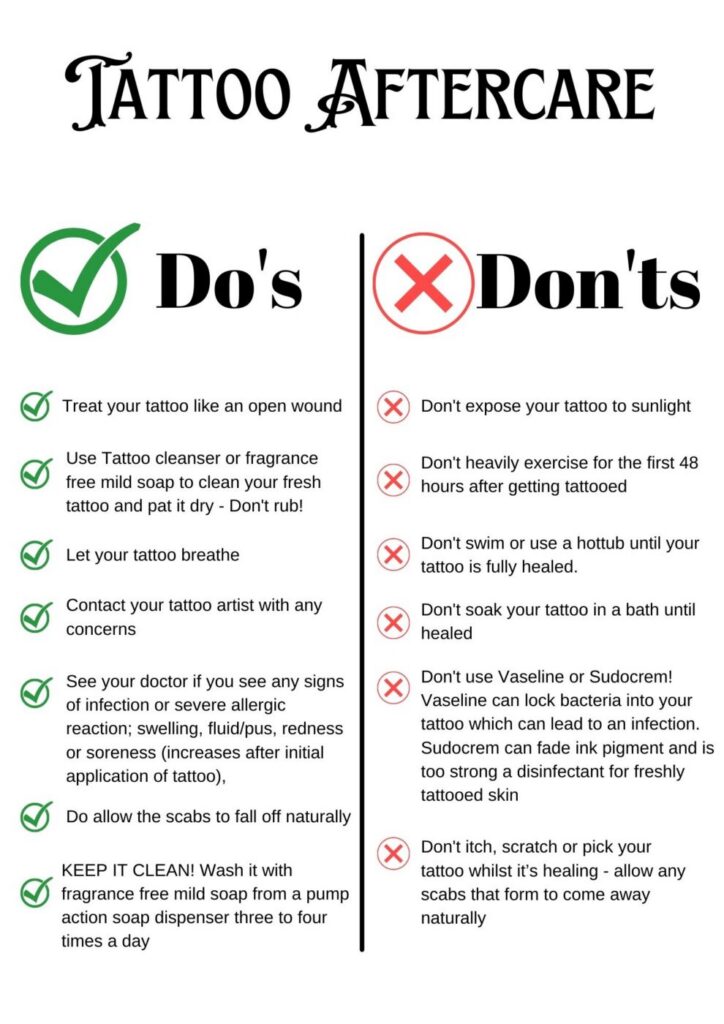
Record the batch number of every ink bottle used for each client. This is critical for traceability if an adverse reaction occurs. Most inks have a shelf life of 2–5 years unopened; once opened, they should be used within 6–12 months. Always note the opening date on the bottle. Expired ink may not only cause poor results but also harbor bacteria.
Contamination Risks and Warning Signs
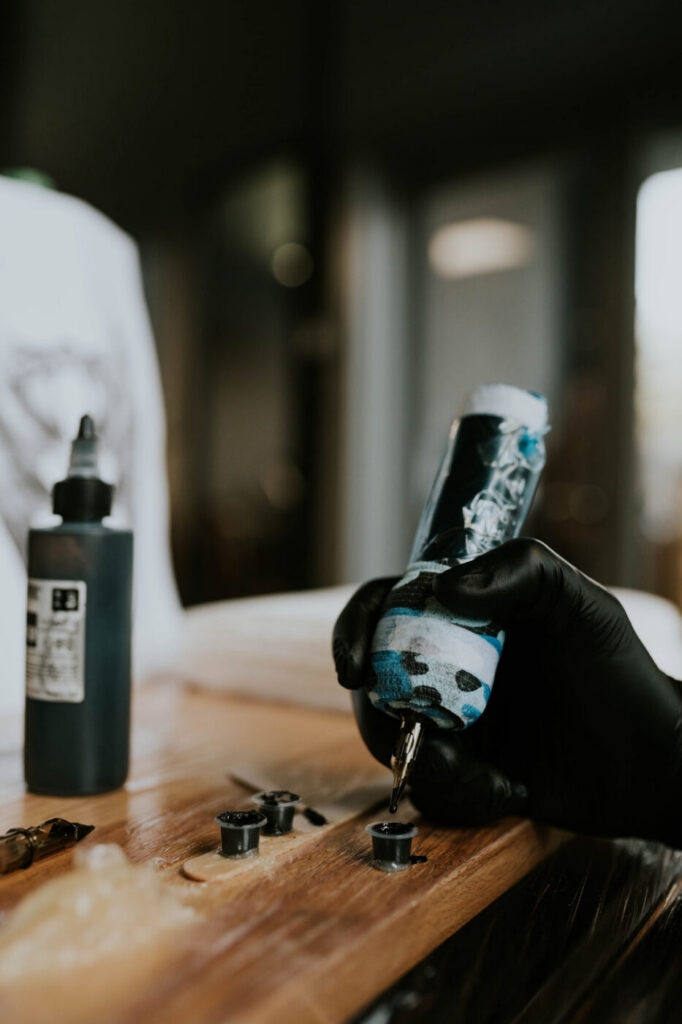
Common contaminants include bacteria (e.g., Pseudomonas, Staphylococcus), fungi, and mold. Warning signs: foul odor, visible particles, cloudy appearance, or gas production (bubbles). If an ink smells bad or looks off, discard it immediately. Never use ink that has been frozen or overheated.
Travel and Storage Mistakes to Avoid
Never pack ink in checked luggage (temperature fluctuations, pressure changes). Use a dedicated insulated bag with ice packs for long trips. Avoid leaving ink in a hot car. At conventions, keep bottles upright and sealed. Do not share ink between artists without proper sterilization of containers.
Studio SOP Checklist for Ink Management
- Designate a clean, dry storage area away from sinks and chemicals.
- Maintain a log of all ink batches with dates and client names.
- Inspect each bottle before use: check seal, clarity, and odor.
- Use only sterile, single-use ink caps and transfer tools.
- Dispose of leftover ink after each session.
- Rotate stock: first-in, first-out.
- Train all staff on handling protocols.
- Keep Safety Data Sheets (SDS) accessible.
- Perform monthly audits of storage conditions.
FAQ
1. Can I use expired ink if it looks fine?
No. Even if it looks normal, expired ink may have degraded preservatives, increasing infection risk. Always discard after expiry date.
2. How do I know if an ink is contaminated?
Look for changes in color, clarity, smell, or texture. Any bubbles, cloudiness, or foul odor means discard. Also check for swelling of the bottle cap.
3. Is vegan ink safer than non-vegan?
Not necessarily. Safety depends on the pigment and carrier composition, not whether it’s vegan. Always check for regulatory compliance (e.g., REACH, FDA guidelines).
4. Can I mix different brand inks together?
Mixing is possible but risky due to unknown chemical interactions. If you must, test a small amount on glass and observe for separation or reaction. Better to use pre-mixed colors from the same brand.
For more professional insights, check our ranking of top inks and magazine articles. Find verified studios that follow strict protocols.
Keep exploring Vietnam Tattoo
- Browse Ranking for notable studios by city, style, and intent.
- Search studios by city, verification level, and contact channel.
- View verified profiles to check approved and verified entries.
- Request a consultation if you need help choosing style, placement, or a suitable studio.
Content hub
Pro corner hub
Read more about needles, inks, machines, cartridges and safer professional practice.
Related reading
Continue reading
Tattoo Stencil Troubleshooting: Smudging, Transfer Gel, and Skin Prep – A Studio Workflow Guide
Master stencil application with this practical guide covering smudging causes, transfer gel selection, and a step-by-step skin prep…
Tattoo Machine Stroke Length: Lining, Shading, and Color Packing Decisions – A Pro Guide
Master the relationship between stroke length and tattoo results. Expert guide on lining, shading, and color packing machine…
The Pro’s Guide to Tattoo Ink Mixing: Greywash, Color Dilution & Safety Workflow
Master ink mixing for pros: greywash ratios, color dilution techniques, and a step-by-step safety workflow to prevent contamination…