The Pro Guide to Tattoo Supplies in Hanoi: Needles, Ink, Machines & Hygiene
Why Hanoi’s Tattoo Supply Market Demands a Pro’s Eye
Hanoi’s tattoo scene has exploded over the past decade. From hidden alley studios in the Old Quarter to high-end parlors in Tay Ho, the demand for quality supplies has never been higher. But with growth comes risk: counterfeit products, inconsistent hygiene standards, and suppliers who prioritize profit over safety. As a tattoo professional, your tools are your lifeline. A bad needle can ruin a line, contaminated ink can cause infections, and a faulty machine can destroy a day’s work. This guide is your field manual to sourcing tattoo supplies in Hanoi—needles, ink, machines, and hygiene materials—with the critical checks that separate a pro from a rookie.
1. Needles: The Foundation of Every Tattoo
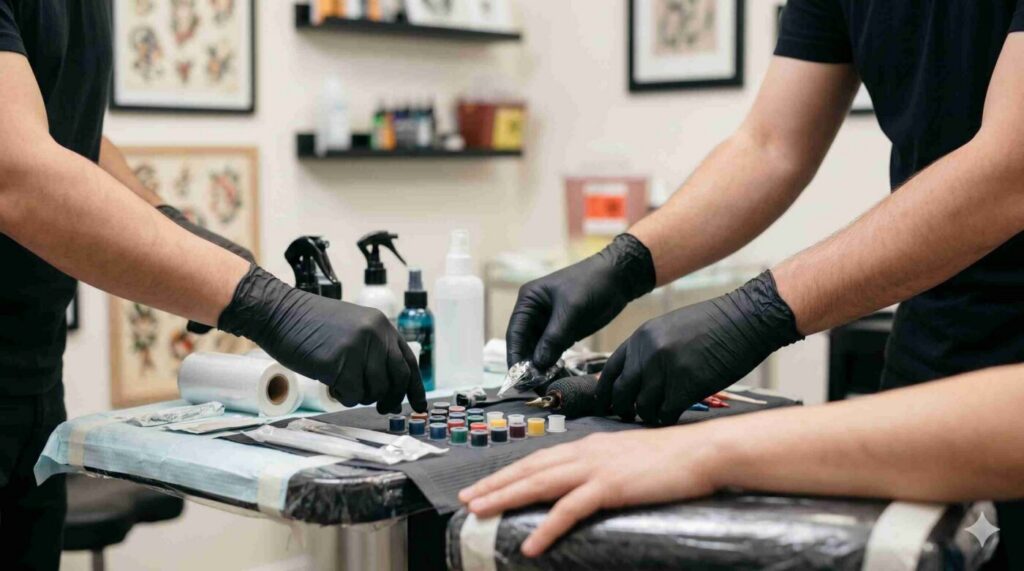
What to Look For
Needles are the most intimate tool you use. In Hanoi, you’ll find options ranging from budget cartridges to premium Japanese steel. Here’s what matters:
- Sterility: Every needle must be individually packaged, gamma-sterilized, and sealed. Check the expiry date and lot number. If a supplier can’t provide a certificate of sterilization, walk away.
- Sharpness: Dull needles tear skin. Test a few on practice skin before buying in bulk. Reputable brands like Cheyenne, Kwadron, or Stigma are available locally—but verify authenticity via scratch codes or manufacturer apps.
- Consistency: Cheap needles often have irregular solder joints or misaligned tips. Inspect under a magnifier or microscope. A 10x loupe is a cheap investment that saves you from frustration.
Realistic Caveat
Many Hanoi supply shops offer unbranded needles at a fraction of the cost. While some are decent, many are rejects from factories. If you’re a beginner, stick with trusted brands until you can judge quality by feel. Your clients’ skin—and your reputation—isn’t worth the gamble.
2. Tattoo Ink: Safety and Performance
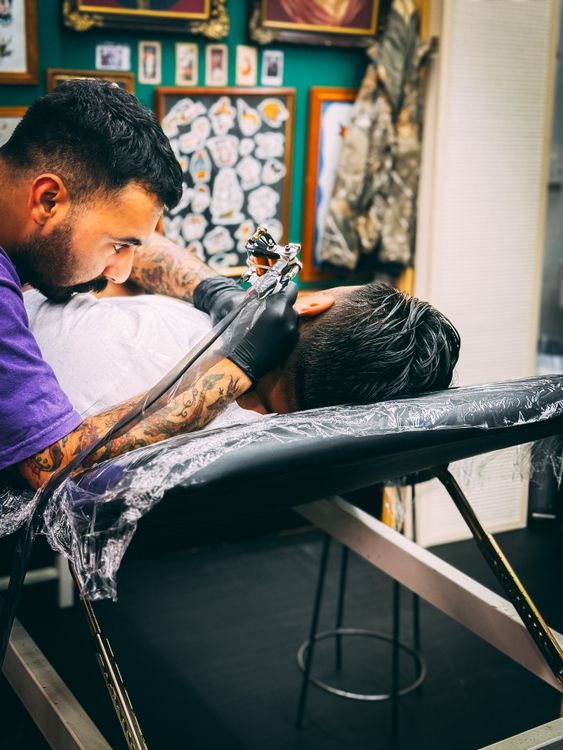
Key Checks
Ink is where hygiene meets artistry. In Hanoi, you’ll encounter both imported giants (Intenze, Eternal, Dynamic) and local blends. Before you buy:
- Ingredients: Look for vegan, glycerin-based inks that avoid heavy metals. Avoid anything with mysterious Chinese labels or no ingredient list.
- Batch Testing: Reputable brands provide batch numbers and test results for heavy metals and bacteria. Ask for them. If a supplier can’t produce a Certificate of Analysis (COA), the ink may be counterfeit.
- Consistency: Shake the bottle. Good ink is smooth, not clumpy. Color should be vibrant and opaque. Test on a white paper towel—if it separates into pigment and liquid, it’s low quality.
Hanoi-Specific Warning
Some local shops dilute ink to increase profit margins. This causes fading and poor saturation. Always buy from suppliers who stock original bottles with intact seals. If the price seems too good to be true, it probably is.
3. Tattoo Machines: Choosing Your Workhorse
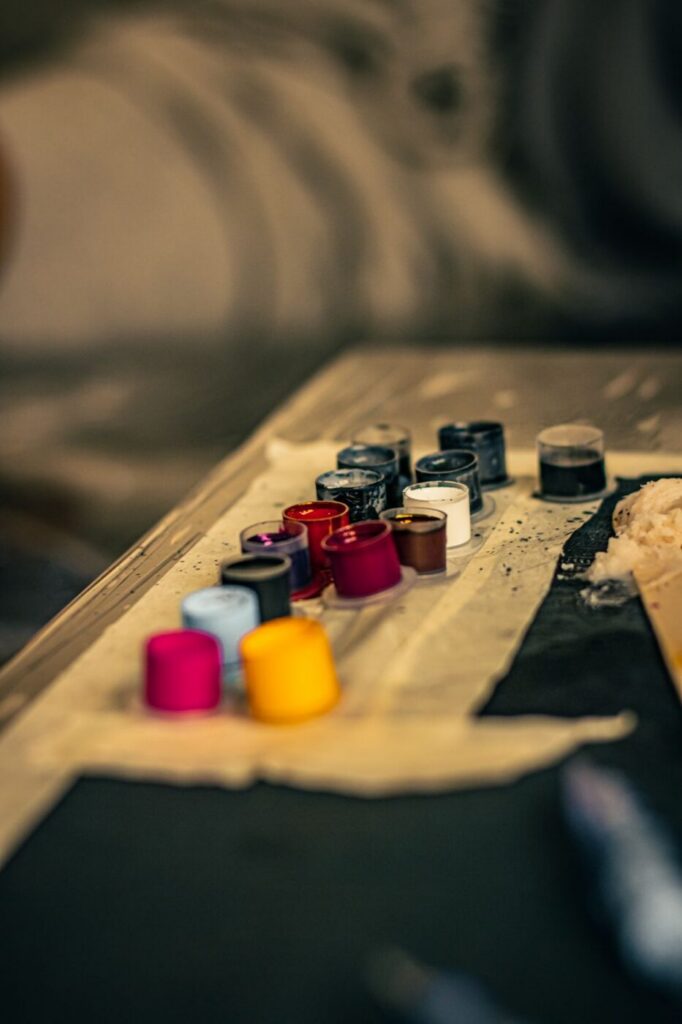
Types and Trade-offs
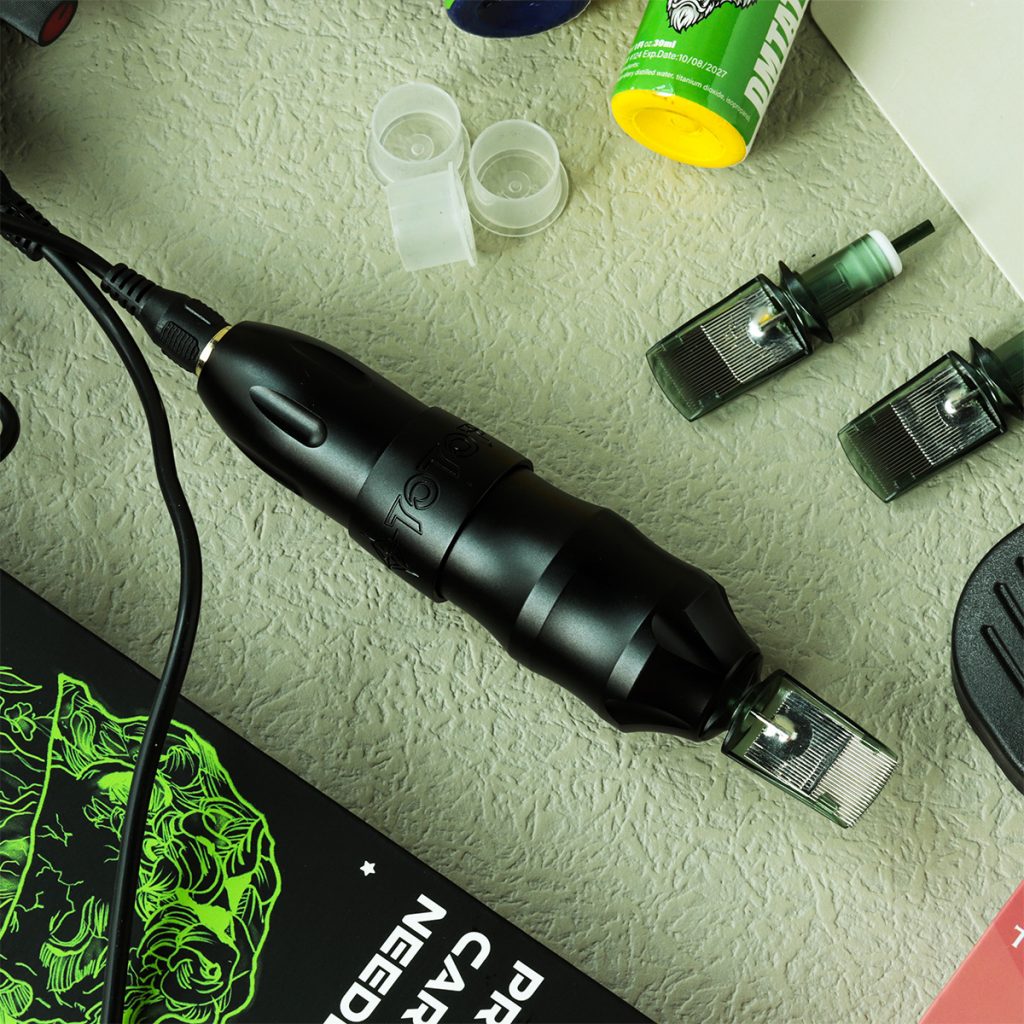
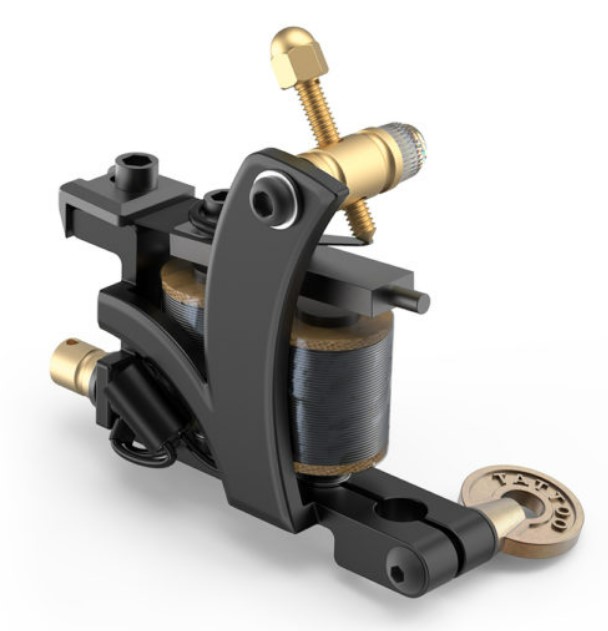
Hanoi’s market offers coil machines, rotary machines, and pen-style devices. Each has its place:
- Coil Machines: Classic, powerful, but heavy and noisy. Great for bold lines and color packing. Need regular tuning.
- Rotary Machines: Quieter, lighter, and more consistent. Ideal for shading and fine line work. Modern rotaries like the Cheyenne Hawk or FK Irons are popular in Hanoi studios.
- Pen Machines: Lightweight and easy to maneuver. Perfect for micro realism and detailed work. Battery-powered pens offer cordless freedom.
Decision Framework
If you do primarily bold traditional or Japanese work, a coil machine is your best bet. For versatility and comfort during long sessions, a rotary or pen machine is better. Test before you buy: many Hanoi suppliers offer demo units. Bring your own grip and needle to feel the vibration and balance. A machine that feels wrong in your hand will never produce good work.
4. Hygiene Materials: Non-Negotiable Standards
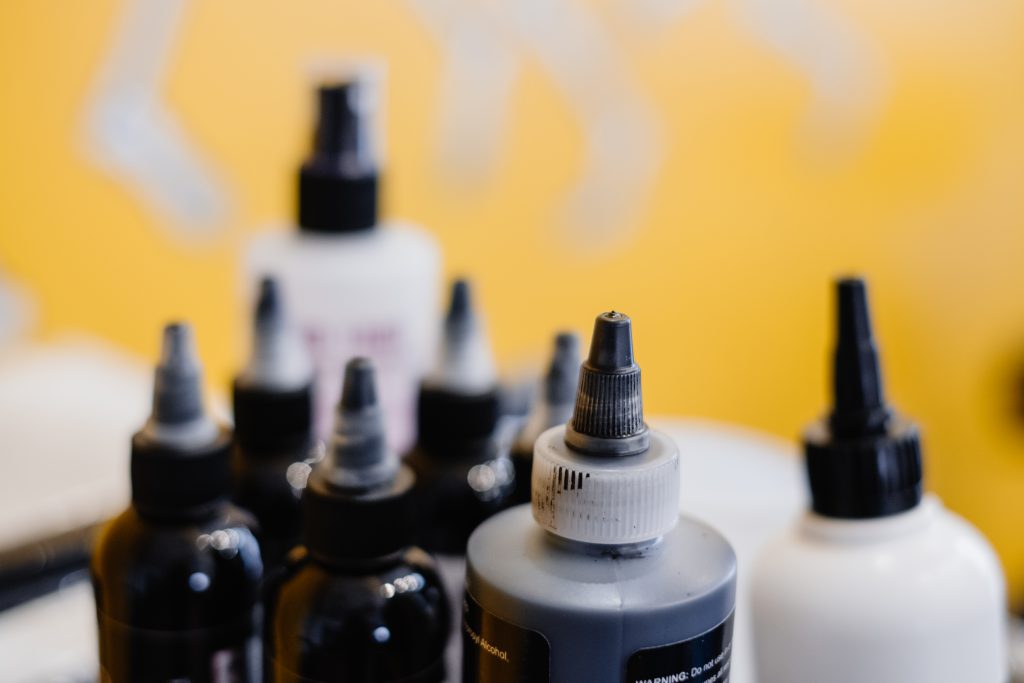
The Essentials
Hygiene is the backbone of a professional studio. In Hanoi, you must source:
- Autoclave and Spore Testing: Every studio needs a Class B autoclave and must perform weekly spore tests. Suppliers can sell you test vials—use them. Never trust a shop that doesn’t test.
- Disposable Supplies: Gloves, ink caps, tubes, and barrier film must be single-use. In Hanoi, buy from medical supply distributors, not just tattoo shops, to ensure quality.
- Surface Disinfectants: Use only hospital-grade disinfectants (e.g., CaviCide, Mikrozid). Check the contact time—most require 2-5 minutes of wetness to kill pathogens.
Common Mistake
Many artists reuse ink caps or mix inks on non-sterile surfaces. This is a cross-contamination risk. Always use fresh ink caps for each client and dispose of them immediately after use. Your setup should be single-use from start to finish.
5. Supplier Evaluation: A Step-by-Step Guide
How to Vet a Hanoi Supplier
- Visit in Person: Online photos can be misleading. Go to their warehouse or shop. Check cleanliness, storage conditions, and whether they stock expired products.
- Ask for Documentation: Request COAs, sterilization certificates, and import paperwork. A legitimate supplier will provide them without hesitation.
- Check Reviews: Look for feedback from other artists on Facebook groups or forums like Tattoo Hanoi Community. Beware of fake reviews.
- Start Small: Order a sample pack before committing to bulk. Test the products on practice skin and, if possible, on a willing colleague.
- Compare Prices: Know the market rate. If a supplier is 30% cheaper than others, there’s a reason. It’s either counterfeit, expired, or stolen.
Red Flags
- No physical address or only a P.O. box.
- Pressure to buy in bulk without samples.
- Unlabeled bottles or bags.
- Staff who can’t answer basic questions about sterilization or ink composition.
6. FAQ
Q1: Can I buy tattoo supplies from online marketplaces like Shopee or Lazada in Hanoi?
Yes, but with extreme caution. Many sellers on these platforms sell counterfeit or low-quality products. Only buy from shops with high ratings and verified supplier badges. Always check for original packaging and batch numbers. For critical items like needles and ink, it’s safer to buy from dedicated tattoo supply stores that you can visit in person.
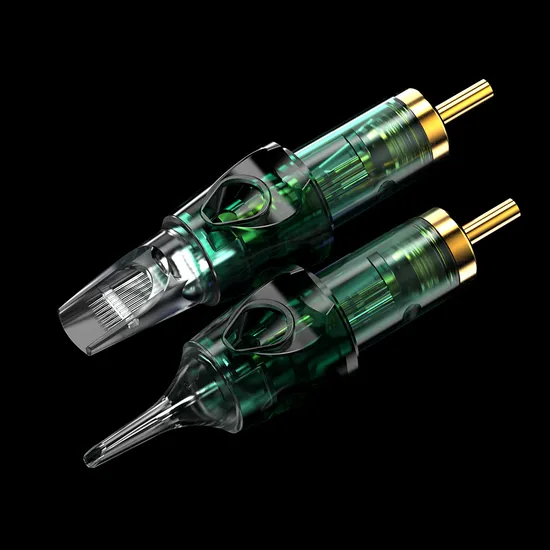
Q2: How do I know if a needle cartridge is counterfeit?
Check the packaging: genuine cartridges have crisp printing, holograms, or QR codes that link to the manufacturer’s verification page. The needles themselves should be evenly aligned and have a consistent taper. If the cartridge feels loose or the membrane is off-center, it’s likely fake. Compare with a known genuine sample from a reputable source.
Q3: What is the best ink brand for vibrant colors in Hanoi’s humid climate?
Intenze and Eternal are widely trusted for their stability and vibrancy. However, humidity can affect ink consistency—store bottles in a cool, dry place away from direct sunlight. If you notice separation or mold, discard immediately. Some local brands have improved, but always test on practice skin first.
Q4: How often should I replace my tattoo machine’s parts in a high-use studio?
For coil machines, check contact points and springs every month; replace springs every 3-6 months. For rotary machines, replace bearings and gaskets every 6-12 months depending on usage. Pen machines’ batteries degrade over time—replace after 1-2 years. Always keep spare parts on hand to avoid downtime.
7. Final Pro Tips
Building a relationship with a reliable supplier in Hanoi takes time. Attend tattoo conventions and meet distributors in person. Join local artist groups to share recommendations. Remember: your equipment is an investment in your craft and your clients’ safety. Skimping on supplies is never worth it. Stay sharp, stay sterile, and keep creating.
Keep exploring Vietnam Tattoo
- Browse Ranking for notable studios by city, style, and intent.
- Search studios by city, verification level, and contact channel.
- View verified profiles to check approved and verified entries.
- Request a consultation if you need help choosing style, placement, or a suitable studio.
Content hub
Pro corner hub
Read more about needles, inks, machines, cartridges and safer professional practice.
Related reading
Continue reading
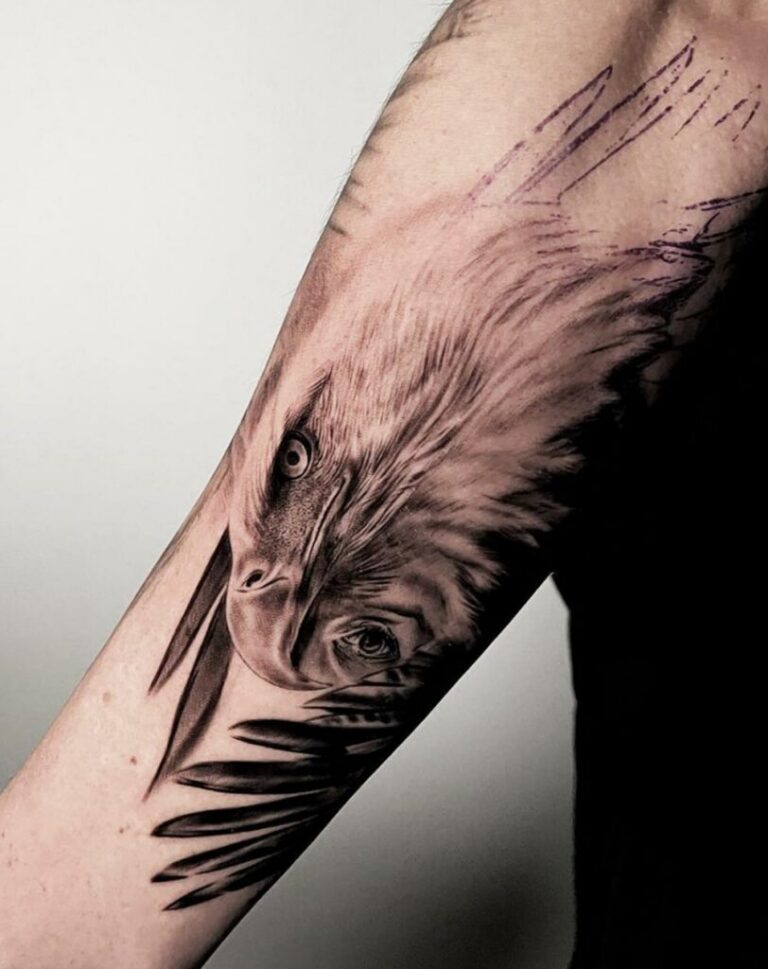
Black and Grey Tattoo Hanoi: Shading Quality & Consultation Checklist
Hanoi's black and grey tattoo scene rewards careful research. This article breaks down shading quality and a consultation…
Realism Tattoo Hanoi: The Complete Guide to Reference Preparation and Healed Portfolio Review
Master reference prep and healed portfolio review for realism tattoos in Hanoi. Expert tips on what to bring,…
Fine Line Tattoo in Hanoi: How to Check Portfolios & Evaluate Healed Results
Learn how to evaluate fine line tattoo portfolios in Hanoi, check healed results, and avoid common mistakes. Expert…