
Tattoo Course Hanoi: 10 Critical Checks Before You Enroll
Why Hanoi Apprentices Need a Specialized Checklist
Hanoi’s tattoo scene has grown rapidly. More studios now offer apprenticeship programs, but quality varies wildly. Before you pay any fee or sign any contract, you need a practical checklist. This guide is not an endorsement of any specific course. It is a set of concrete checks based on industry standards and local realities. Use it to evaluate any tattoo course in Hanoi.
1. Instructor’s Portfolio: Look for Consistency, Not Just Highlights

Ask to see a full portfolio of healed work, not just fresh tattoos. Fresh tattoos look vibrant; healed work reveals true skill. Check for consistent line weight, smooth shading, and proper placement. If the instructor cannot show healed work from at least 20 different clients, that is a red flag.
What to Look For
- Healed photos: at least 6 months old.
- Variety of styles: does the instructor master more than one style?
- Clean lines: no blowouts, no shaky lines.
- Proper saturation: colors are solid, not patchy.
- Scarring: minimal or none in healed photos.
2. Studio Hygiene: The Non-Negotiable Baseline
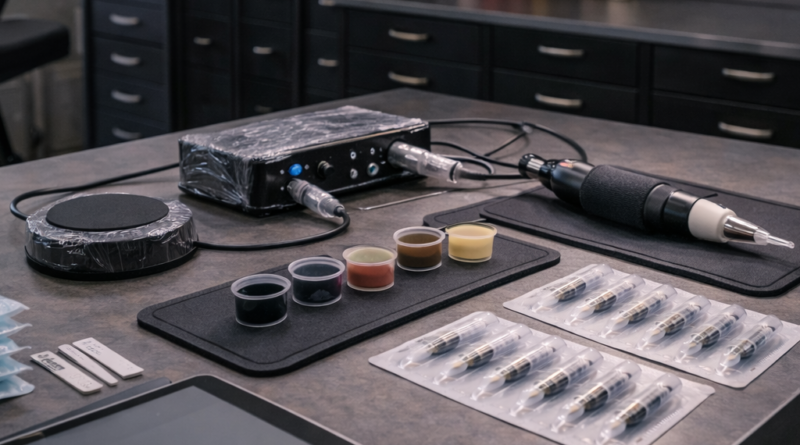
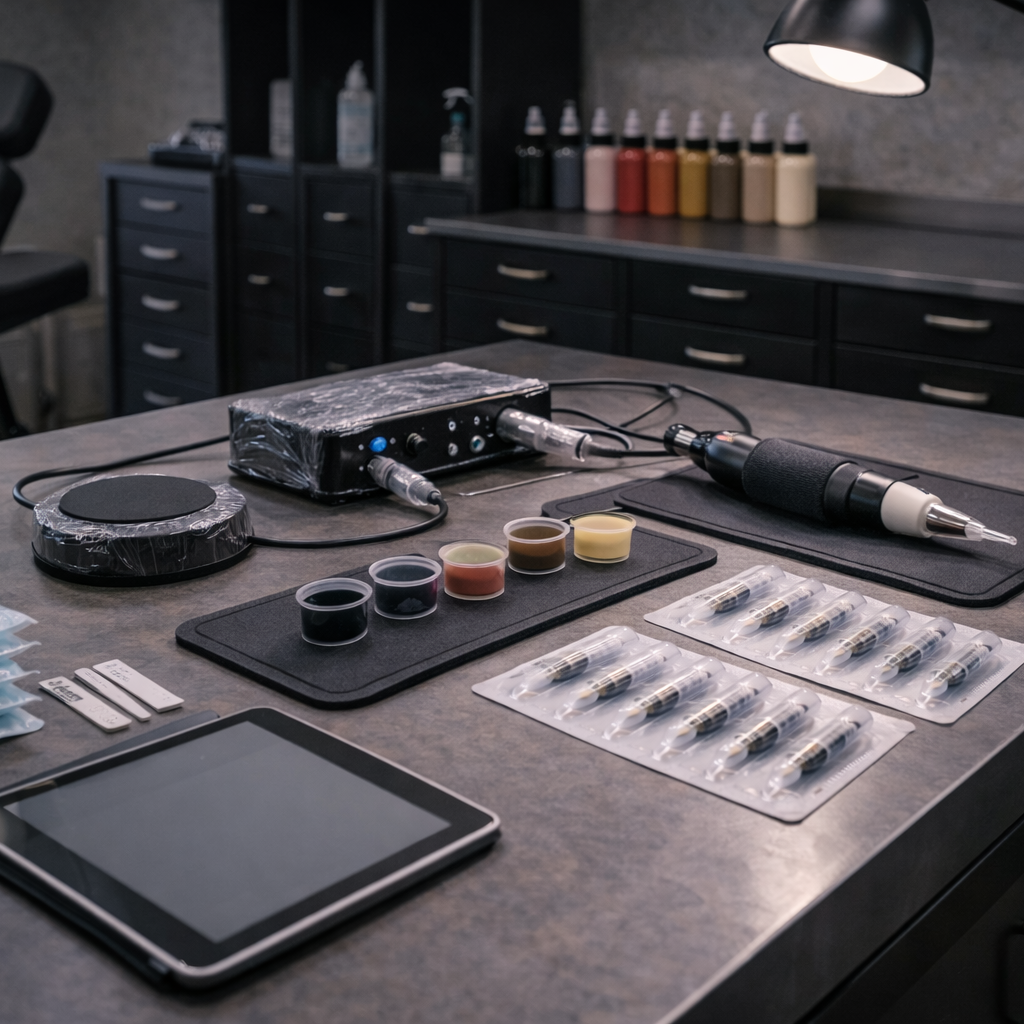
A tattoo course in Hanoi must be held in a studio that meets basic hygiene standards. Visit the studio in person before enrolling. Look for:
- Autoclave for sterilization (check the latest spore test date).
- Single-use needles and tubes, opened in front of you.
- Clean workstations, disposable gloves, and proper waste disposal.
- Separate areas for tattooing and cleaning equipment.
If the studio looks dirty or disorganized, do not enroll. Hygiene is the foundation of safe tattooing.
3. Curriculum Depth: Beyond Machine Setup

A good course covers more than just how to hold a machine. It should include:
- Skin anatomy and how different skin types react.
- Color theory and ink mixing.
- Design principles and stencil application.
- Needle configurations and their effects.
- Aftercare instructions and troubleshooting.
- Health and safety regulations in Vietnam.
Ask for a detailed syllabus. If they cannot provide one, it is a sign of a shallow program.
4. Hands-On Practice: How Many Live Models?
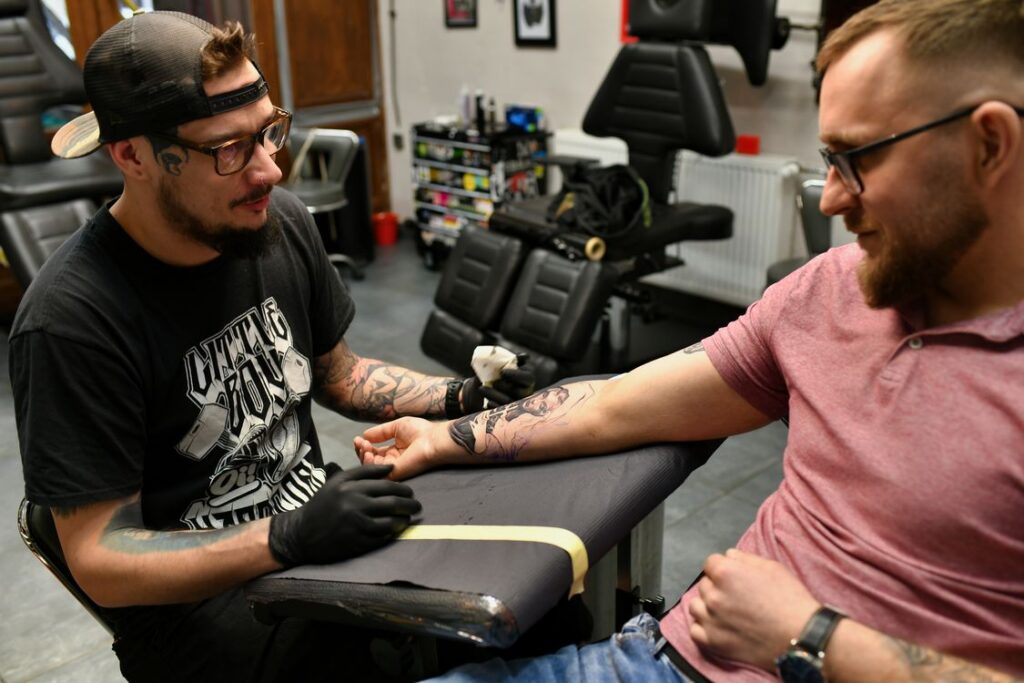
The best way to learn is by tattooing real people. Ask how many live models you will tattoo during the course. A good course should include at least 5-10 live sessions under supervision. Avoid courses that only let you practice on fake skin or fruit.
Questions to Ask
- How many models are provided?
- Are models real clients or volunteers?
- Is the instructor present during the entire session?
- What happens if you make a mistake?
5. Aftercare Training: A Critical Gap
Many courses rush through aftercare. But proper aftercare is essential for client satisfaction and your reputation. The course should cover:
- Different aftercare methods (dry healing, ointment, second skin).
- How to handle common issues like oozing, itching, and peeling.
- Warning signs of infection.
- How to communicate aftercare instructions to clients.
If aftercare is only a 10-minute talk, consider it insufficient.
6. Business and Client Management
Tattooing is a business. A good course should include:
- How to price your work.
- How to handle consultations and manage client expectations.
- Basic marketing for tattoo artists.
- Legal considerations (licenses, taxes, contracts).
In Hanoi, many artists work independently. Knowing the business side is crucial.
7. Mentorship and Post-Course Support
Does the instructor offer ongoing support after the course? Some questions to ask:
- Can you contact them with questions later?
- Are there advanced workshops or refresher sessions?
- Do they help with job placement or studio connections?
A course that ends with a certificate but no follow-up is less valuable.
8. Cost vs. Value: What You Get for Your Money
Tattoo courses in Hanoi range from a few million VND to tens of millions. Compare what is included:
- Duration (weeks or months).
- Number of practice hours.
- Materials provided (machine, needles, ink, practice skin).
- Certificate (is it recognized?).
Do not choose solely on price. Cheaper courses may cut corners on materials or supervision.
9. Student Reviews and Alumni Success
Ask for contact information of past students. Reach out to them. Ask about their experience, what they learned, and whether they felt prepared to tattoo professionally after the course. If the instructor hesitates to provide references, that is a warning sign.
10. Your Own Gut Feeling
Finally, trust your instinct. If something feels off during the interview or studio visit, listen to that feeling. A tattoo course is an investment in your career. Take your time, do your research, and choose a program that aligns with your goals.
FAQ
1. How long does a typical tattoo course in Hanoi last?
Most courses run from 2 to 6 months, depending on the depth of the curriculum. Shorter courses (1 month or less) are usually basic introductions and not sufficient for professional practice.
2. Do I need any prior art experience?
While not always required, a background in drawing or design helps. Many courses include a pre-course assessment of your drawing skills. If you are a complete beginner, consider taking a drawing class first.
3. What is the average cost of a tattoo course in Hanoi?
Prices vary widely. Basic courses start around 5-10 million VND, while comprehensive programs can cost 20-40 million VND or more. Always ask for a detailed breakdown of what is included.
4. Can I get a job after completing a tattoo course?
Completing a course does not guarantee a job. You will need to build a portfolio and often work as an apprentice in a studio. Some courses offer job placement assistance, but it is not common.
Keep exploring Vietnam Tattoo
- Browse Ranking for notable studios by city, style, and intent.
- Search studios by city, verification level, and contact channel.
- View verified profiles to check approved and verified entries.
- Request a consultation if you need help choosing style, placement, or a suitable studio.
Content hub
Pro corner hub
Read more about needles, inks, machines, cartridges and safer professional practice.
Related reading
Continue reading
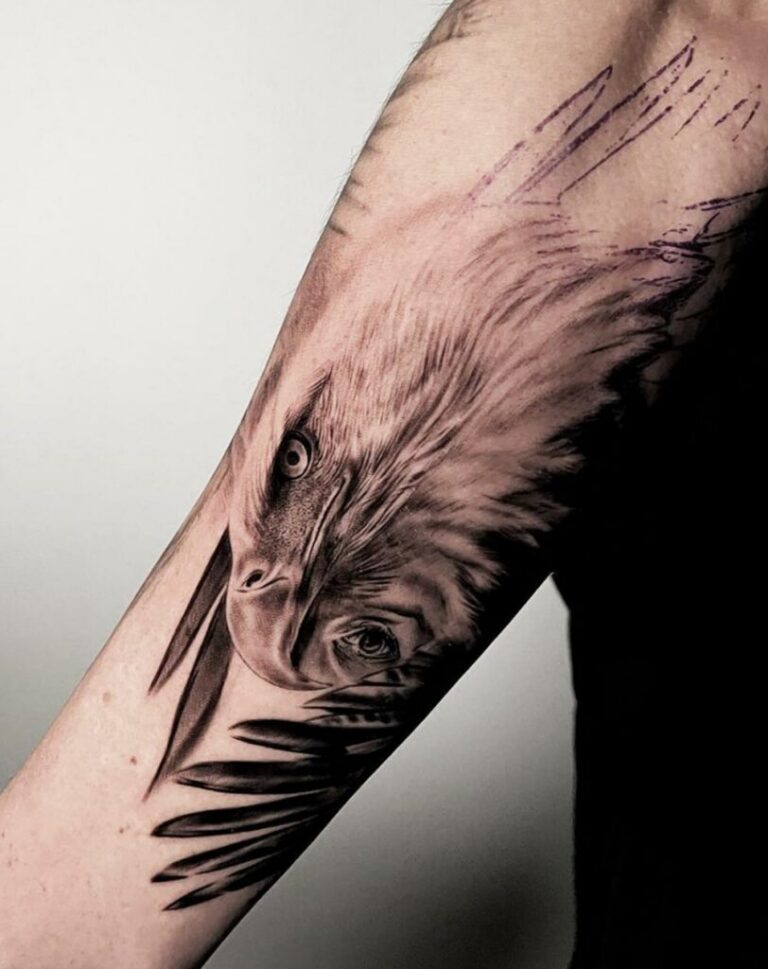
Black and Grey Tattoo Hanoi: Shading Quality & Consultation Checklist
Hanoi's black and grey tattoo scene rewards careful research. This article breaks down shading quality and a consultation…
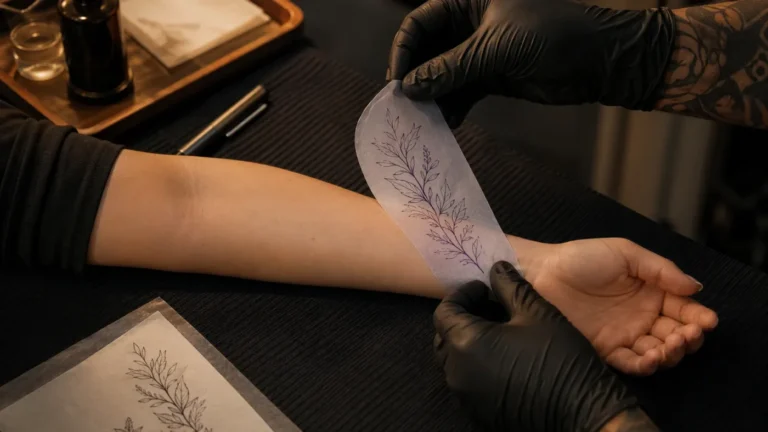
Realism Tattoo Hanoi: The Complete Guide to Reference Preparation and Healed Portfolio Review
Master reference prep and healed portfolio review for realism tattoos in Hanoi. Expert tips on what to bring,…
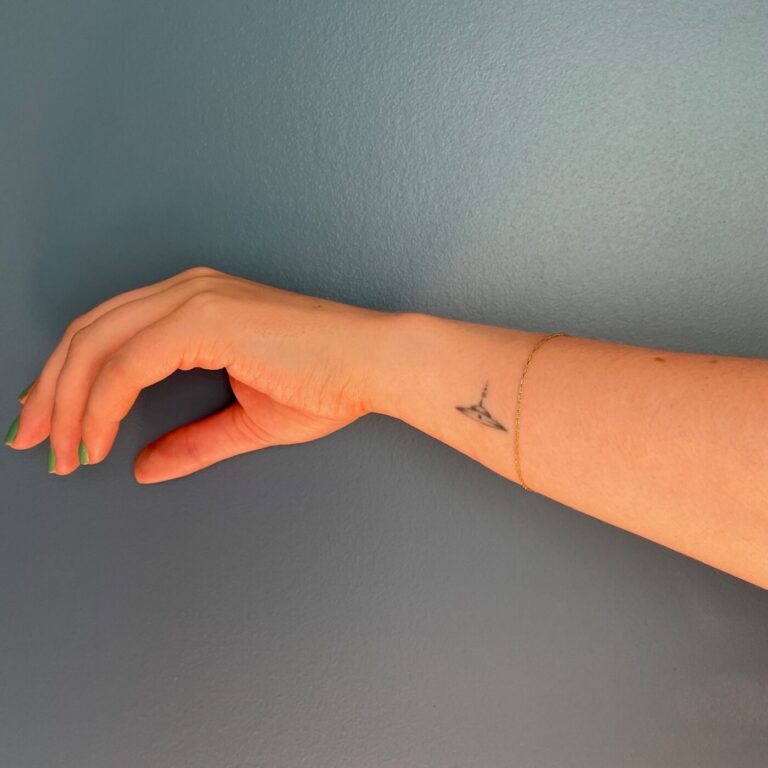
Fine Line Tattoo in Hanoi: How to Check Portfolios & Evaluate Healed Results
Learn how to evaluate fine line tattoo portfolios in Hanoi, check healed results, and avoid common mistakes. Expert…