Rose Tattoo Meaning & Design Ideas: A Complete Expert Guide
Introduction
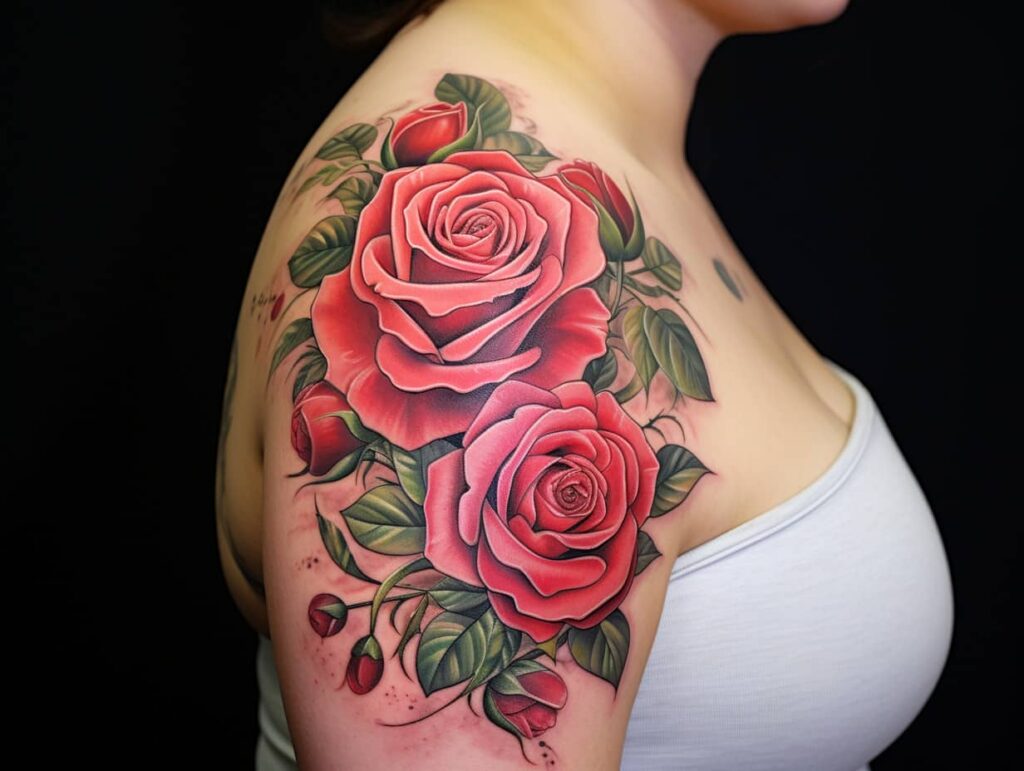
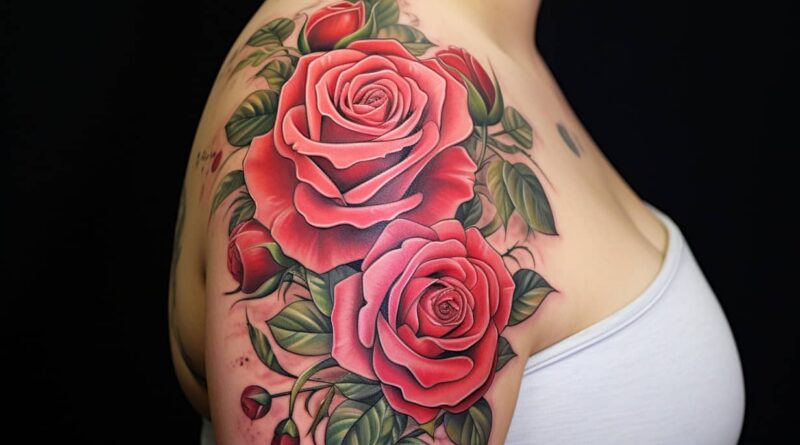
The rose is the most enduring and versatile flower in tattoo art. Its layered symbolism—love, beauty, pain, secrecy, and renewal—makes it a favorite for first-timers and collectors alike. This guide walks you through rose tattoo meanings, style variations, placement logic, color vs. blackwork decisions, and a practical design checklist. Whether you want a tiny minimalist rose or a full sleeve, these insights will help you make an informed choice.
Symbolism: More Than Just a Pretty Flower
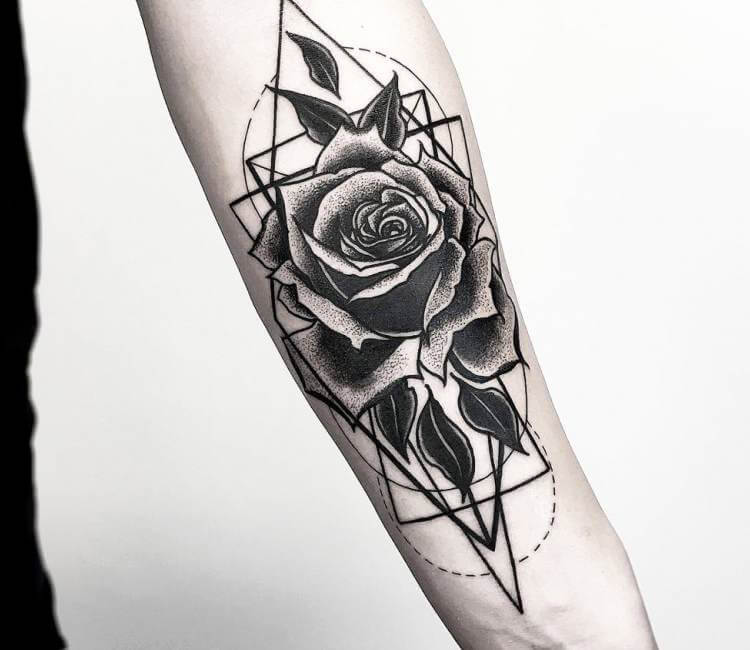
Roses carry multiple meanings depending on color, number, and context. Red roses symbolize passionate love and desire. White roses represent purity, remembrance, or new beginnings. Yellow roses stand for friendship or joy, while black roses signify grief, rebellion, or the end of a chapter. A rose with thorns reminds us that beauty comes with pain. A single rose can mean “you are the one,” while a bouquet may celebrate abundance. In tattoo culture, roses often mark a significant life event—a loss, a marriage, or a personal transformation.
Color Meanings at a Glance
- Red: love, passion, courage
- White: purity, innocence, memory
- Yellow: friendship, joy, apology
- Black: death, goodbye, strength
- Blue: mystery, the unattainable
- Pink: grace, admiration, sweetness
Style Variations: From Realistic to Abstract
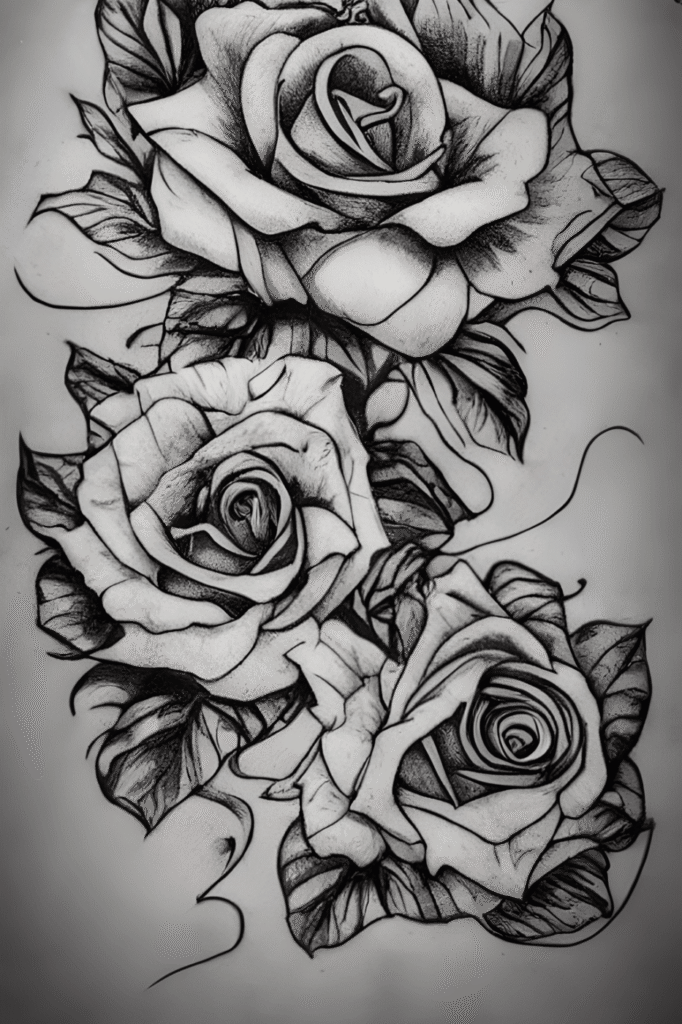
Rose tattoos can be executed in almost every tattoo style. Realism captures every petal and shadow, often using black and grey or vivid colors. Traditional (old school) roses have bold black outlines, limited colors (red, green, yellow), and a classic flash look. Neo-traditional expands the palette and adds decorative elements like filigree or birds. Watercolor roses mimic brushstrokes without outlines, creating a soft, romantic feel. Geometric roses combine floral shapes with precise lines and symmetry. Minimalist single-line or tiny roses are perfect for subtle placements. Blackwork uses only black ink, relying on shading and contrast for impact.
Placement Logic: Where and Why
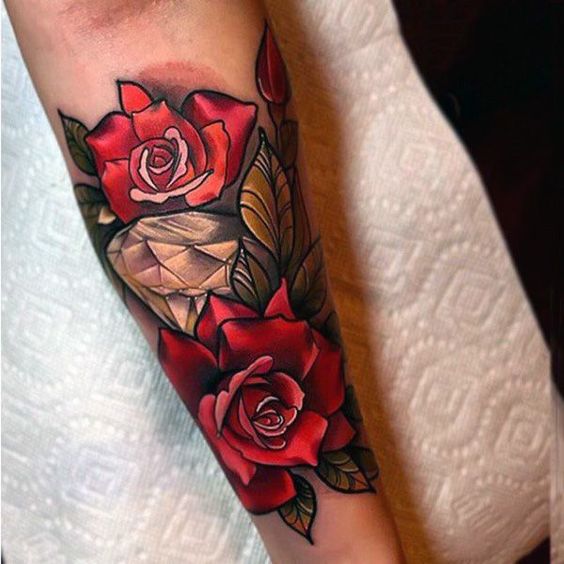
Placement affects visibility, pain, and how the design ages. Forearm is a popular spot for medium-sized roses; it’s easy to show or cover. Shoulder and upper arm allow larger pieces that can wrap around the muscle. Ribcage and side offer a curved canvas for elongated stems, but healing is tougher due to movement. Thigh is ideal for big, detailed roses with less pain. Hand and finger roses are trendy but fade faster and require touch-ups. Behind the ear or ankle suits tiny, discreet designs. Always consider your job and lifestyle—visible tattoos may need to be covered in some workplaces.
Color vs. Blackwork: Which Should You Choose?
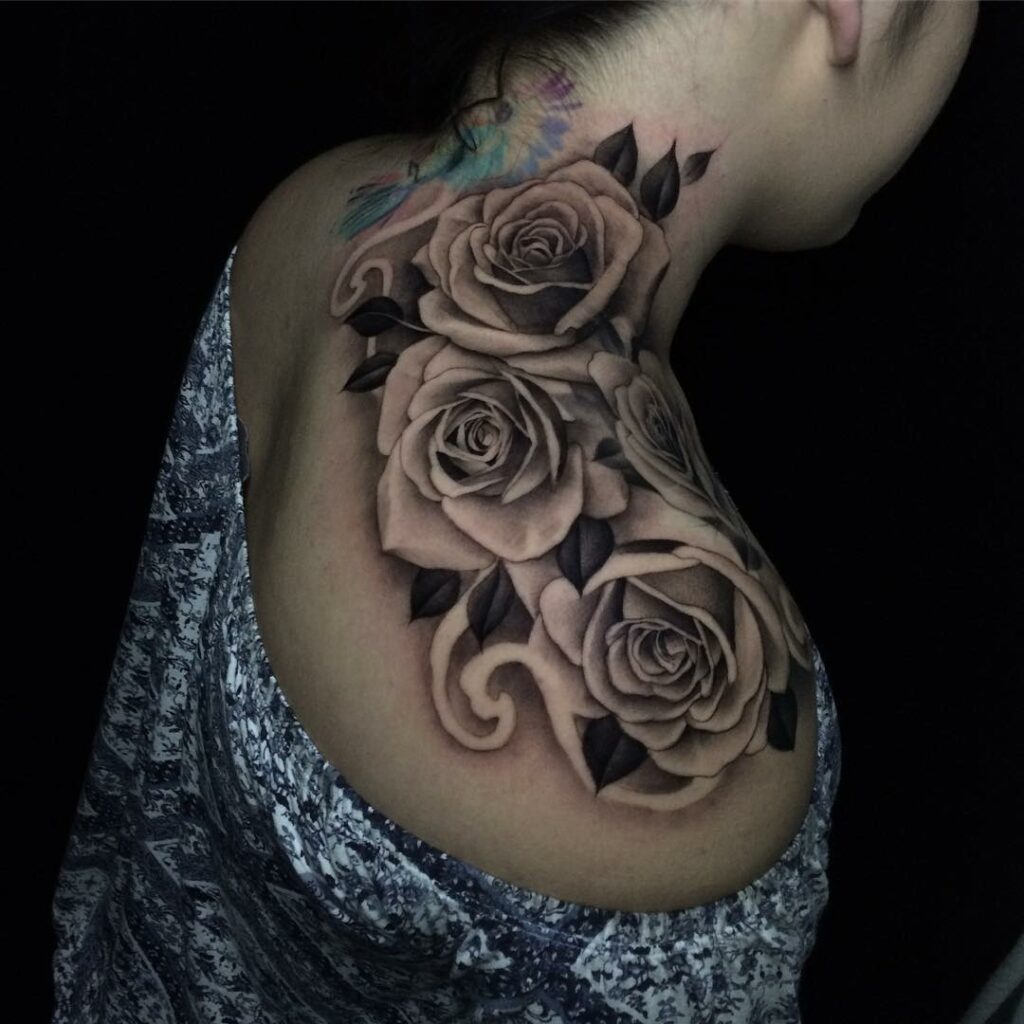
Color roses can be vibrant and lifelike, but they fade over time and may require more maintenance. Blackwork roses age gracefully, maintaining contrast and readability. Black and grey realism offers depth without color, while pure blackwork (dotwork, linework) gives a bold, graphic look. If you have warm or olive skin tones, certain reds and yellows pop beautifully. For fair skin, pastels and watercolor effects work well. Discuss with your artist how each option will look after 5–10 years. A common caveat: yellow and white inks often need more touch-ups.
Design Checklist: Before You Book
- Decide on size and placement – measure with a paper cutout or temporary tattoo.
- Choose a style – browse portfolios for realism, traditional, watercolor, etc.
- Select colors or blackwork – consider your skin tone and long-term fading.
- Add personal elements – names, dates, other flowers, or symbolic objects.
- Check the artist’s specialty – not every artist excels at roses.
- Review the design – ask for a stencil and adjust size/position before inking.
- Plan for future additions – roses work well in sleeves or as standalone pieces.
FAQ
1. Do rose tattoos hurt?
Pain depends on placement. Bony areas (ribs, hands, collarbone) hurt more; fleshy areas (thigh, upper arm) are more tolerable. The rose itself is no more painful than any other design of similar size.
2. How much do rose tattoos cost?
Prices vary widely based on size, detail, artist reputation, and studio rates. A small minimalist rose might start at a few hundred dollars, while a large custom piece can cost over a thousand. Always get a quote during consultation.
3. Can I cover an old tattoo with a rose?
Yes, roses are a popular cover-up design because their organic shapes and shading can hide old ink. Choose an experienced artist who specializes in cover-ups.
4. How do I care for a rose tattoo?
Follow standard aftercare: keep it clean, moisturize lightly, avoid sun and swimming for 2–4 weeks. Color tattoos need extra sun protection to prevent fading.
Read more
- Magazine for more tattoo knowledge, style guides and aftercare notes.
- Request a consultation if you need help with style, placement or preparation.
- Marketplace for equipment, supplies and learning resources.
Content hub
Tattoo styles pillar
This article belongs to the styles cluster. Open the pillar page to compare Irezumi, Old School, Realistic, Blackwork, Fine line, Geometric and Watercolor.
Related reading
Continue reading
Lettering Tattoo Healed Portfolio Review: Kerning, Baseline & Placement Distortion
A specialist healed-portfolio review guide for Lettering tattoos, focused on kerning, baseline control and placement distortion. Includes concrete…
Lettering Tattoo Placement: A Specialist Guide to Kerning, Baseline Control, and Body-Flow Distortion
A specialist guide to lettering tattoos focusing on kerning, baseline control, and placement distortion. Learn how to plan…

Lettering Tattoo Design Consultation Checklist: Kerning, Baselines, and Placement Distortion
A specialist consultation checklist for lettering tattoos covering kerning, baseline control, and placement distortion. Includes practical tests, booking…