Geometric Tattoo Ideas & Placement Guide: Symmetry, Flow & Design Mastery
Introduction
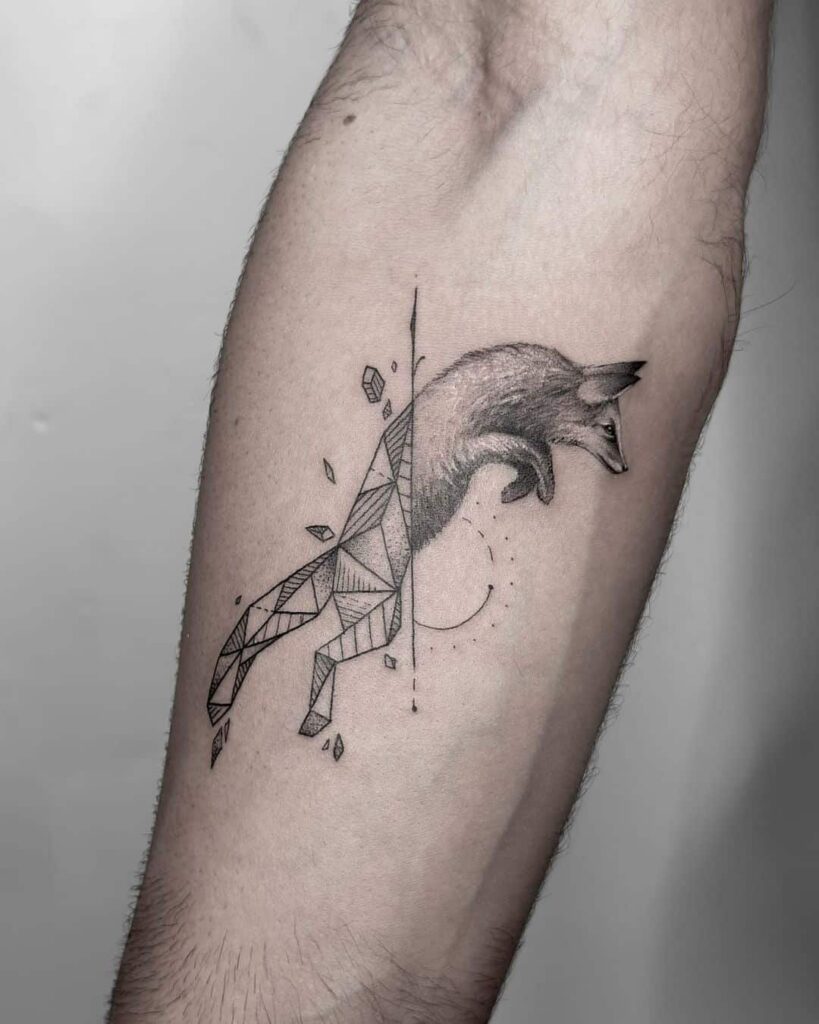
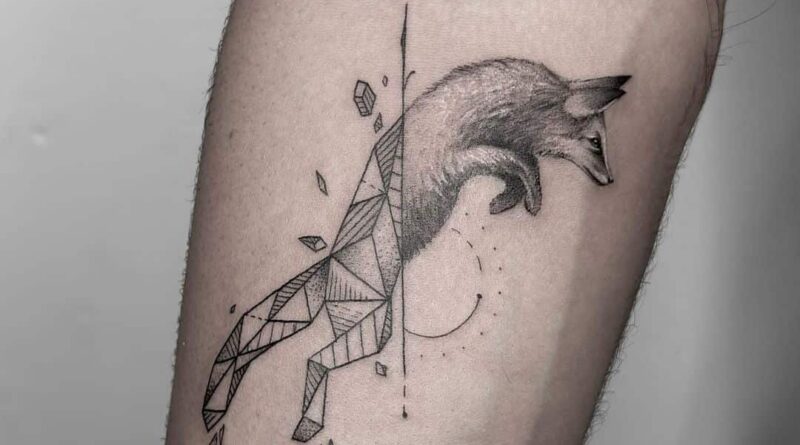
Geometric tattoos blend mathematical precision with artistic expression, offering timeless appeal. This guide covers design references, placement strategies, symmetry, body flow, stencil planning, and size considerations to ensure your geometric tattoo ages beautifully.
Understanding Geometric Tattoo Styles
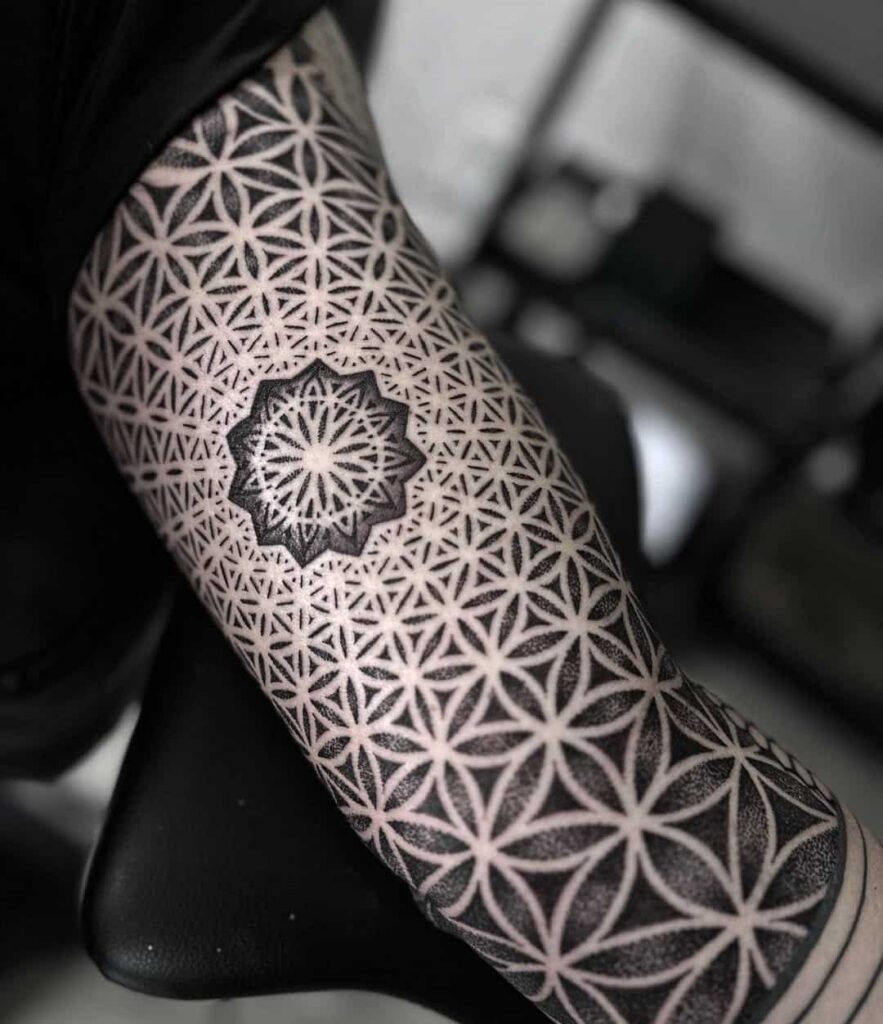
Geometric tattoos span minimalist dotwork, intricate mandalas, isometric shapes, and optical illusions. Each style interacts differently with body contours. For example, a mandala on the shoulder blade emphasizes the scapula’s natural curve, while a linework pattern on the forearm stretches with movement. Key insight: The best geometric designs respect the body’s topography.
Symmetry and Body Flow
Symmetry doesn’t always mean mirroring both sides. On the spine, a centered geometric line creates a powerful vertical axis. On the ribcage, asymmetrical patterns can follow the rib’s curve. Checklist before booking:
- Test stencil placement in multiple positions (standing, sitting, lying).
- Check alignment with natural landmarks (navel, collarbone, knee).
- Consider movement: how the tattoo shifts when you flex or twist.
Stencil Planning for Precision
Geometric tattoos demand flawless stencils. A slight rotation can ruin symmetry. Ask your artist: Do they use transfer paper or digital projection? For complex mandalas, a full-size stencil printout is essential. Caveat: Skin is not paper—curves and uneven textures can distort lines. A skilled artist adjusts the stencil in real-time.
Placement Guide by Body Area
Forearm & Wrist
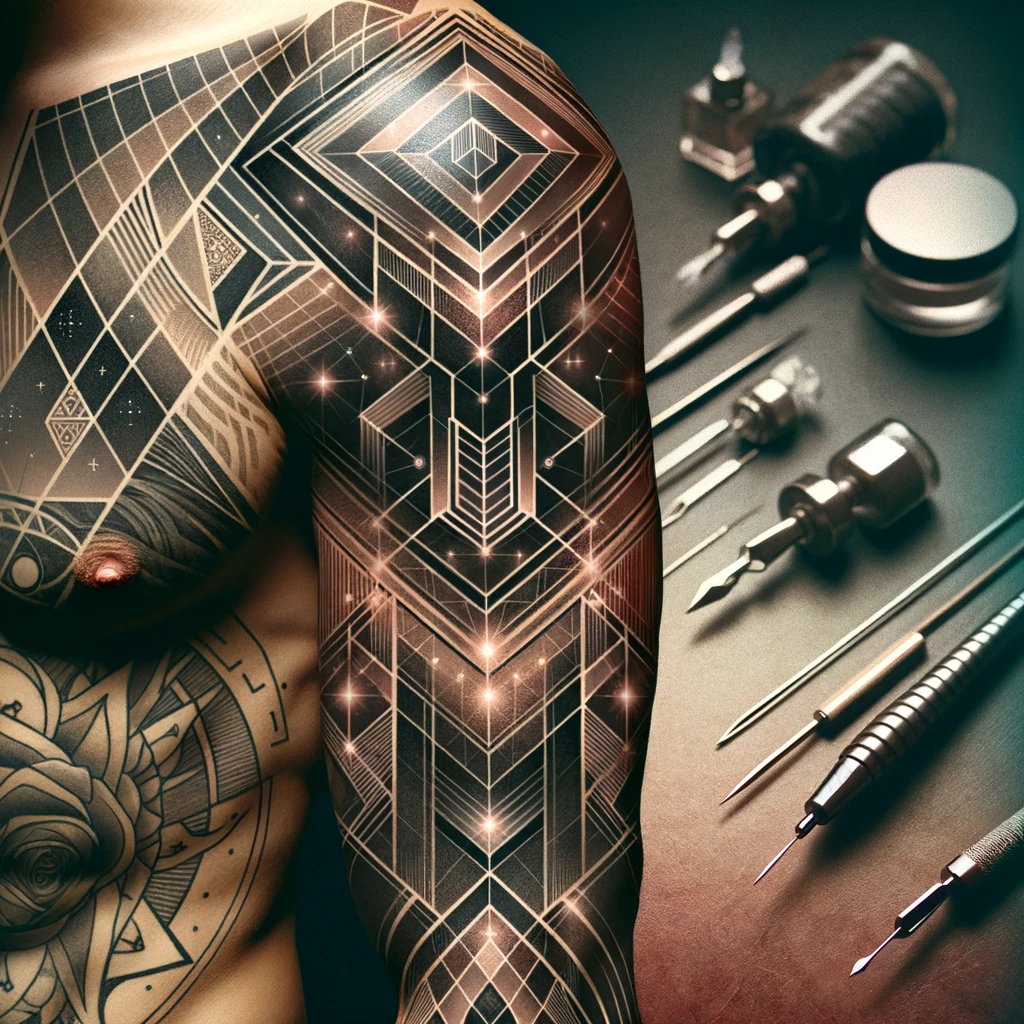
Ideal for linear geometric bands or small sacred geometry symbols. The inner wrist offers a flat surface; the outer forearm has more space for larger patterns. Watch out: High-movement areas may require thicker lines to avoid blurring over time.
Shoulder & Upper Back
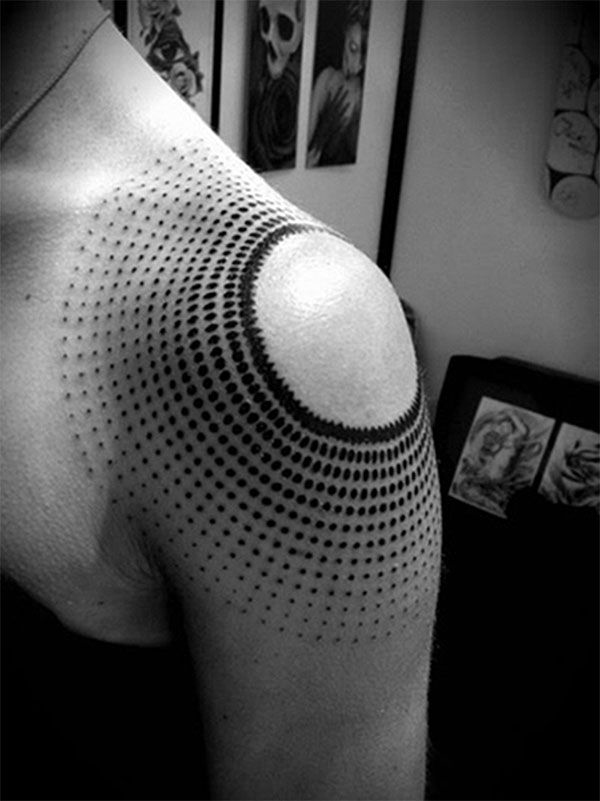
Perfect for large mandalas or repeating geometric patterns. The shoulder blade’s movement can be incorporated—e.g., a pattern that expands when you roll your shoulder. Size tip: At least 10 cm (4 inches) to preserve detail.
Ribcage & Side Body
Geometric patterns here can follow the ribcage’s natural arches. Caveat: Healing is more challenging due to friction from clothing and movement. Consider a design that can be easily covered or shown off.
Spine & Back
A vertical geometric line or symmetrical mandala along the spine creates a dramatic effect. Stencil note: The spine’s curvature requires careful centering. Avoid extremely thin lines that may spread.
Ankle & Foot
Small geometric shapes like triangles or hexagons work well. Longevity warning: Foot tattoos fade faster due to constant friction and sun exposure. Bold lines are recommended.
Design References & Inspiration
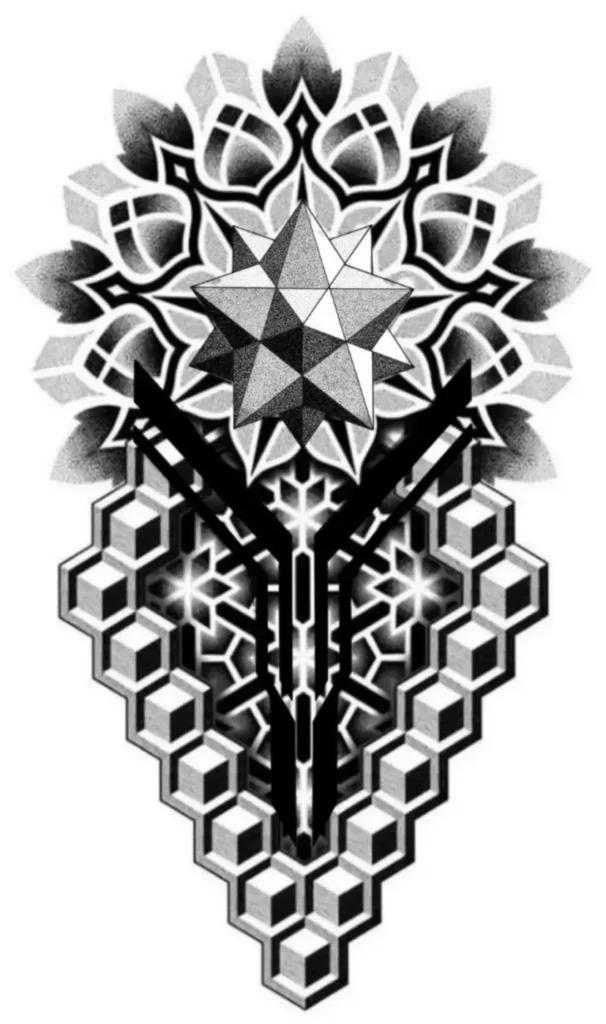
Look to sacred geometry (Flower of Life, Metatron’s Cube), architectural blueprints, Islamic geometric art, or nature patterns (honeycomb, snowflakes). Pro tip: Combine geometric elements with dotwork for texture, or add a single color accent for contrast. Avoid overcomplicating—simplicity often ages better.
Practical Checklist for Your Geometric Tattoo
- □ Choose a design that flows with your body’s natural lines.
- □ Confirm stencil placement in multiple poses.
- □ Discuss line thickness: thin lines (3-5RL) for delicate, thicker (7-9RL) for bold.
- □ Plan for future touch-ups: geometric tattoos may need line refresh after 5-10 years.
- □ Avoid placing on areas that stretch excessively (e.g., belly during pregnancy).
FAQ
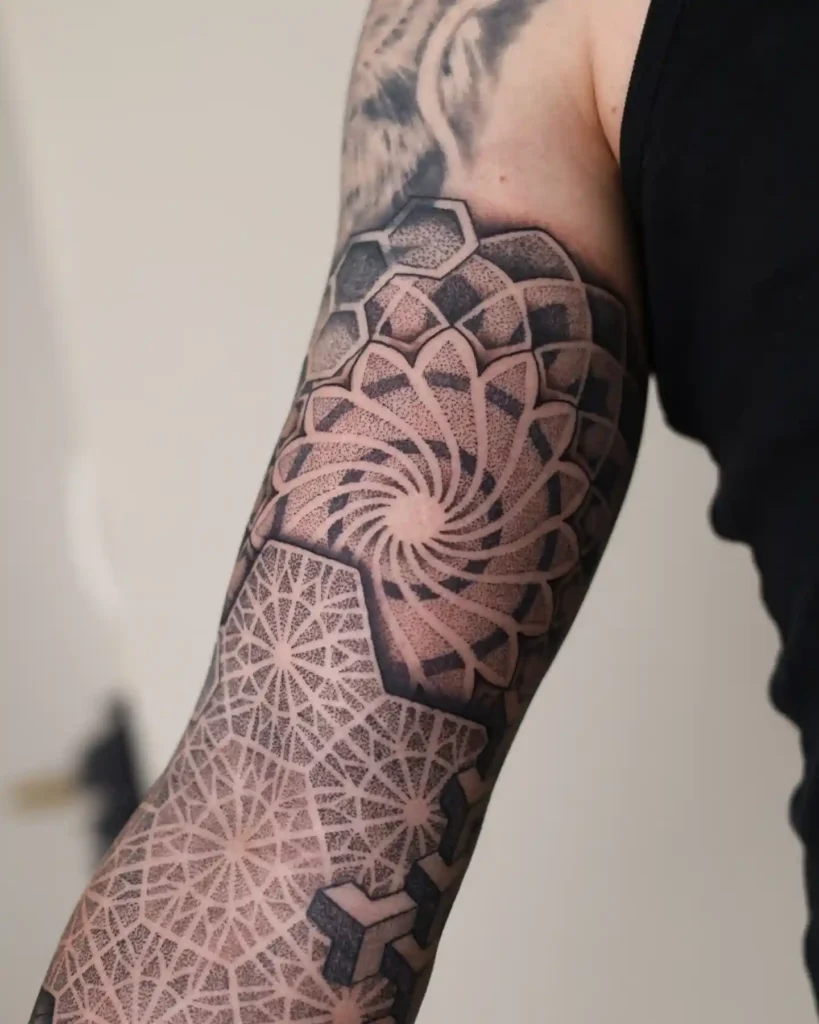
1. How painful are geometric tattoos compared to other styles?
Pain depends on placement, not style. Geometric tattoos often involve repetitive linework, which can be more intense in sensitive areas like ribs or spine.
2. Can geometric tattoos be covered up later?
Yes, but dense black geometric patterns may require laser removal first. Lighter dotwork is easier to cover.
3. How long does a geometric tattoo take to heal?
Surface healing takes 2-3 weeks; deeper layers take up to 6 months. Follow your artist’s aftercare strictly to avoid line blowouts.
4. What should I look for in a geometric tattoo artist?
Check their portfolio for clean, straight lines and symmetrical designs. Ask about their stencil method and experience with your chosen body part.
For more inspiration, browse our tattoo rankings and artist portfolios. If you’re planning a custom design, our consultation service can help. For aftercare products, visit the tattoo marketplace. Read more in our magazine.
Content hub
Styles and inspiration hub
Explore more style guides, symbol meanings, composition ideas and placement notes.
View related hubRelated reading
Continue reading
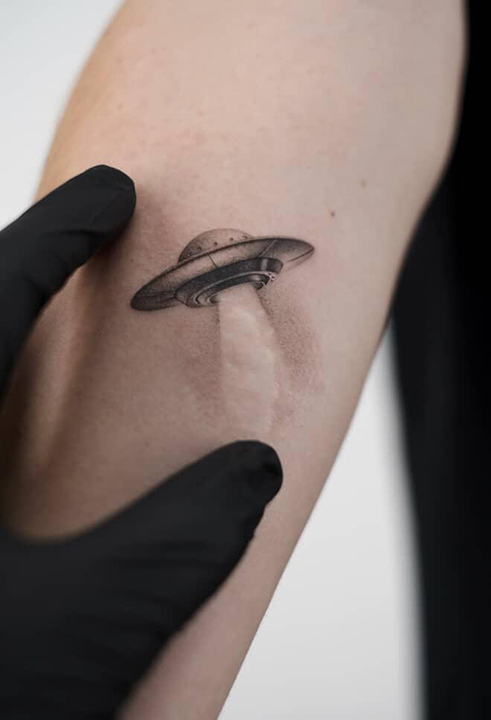
Micro Realism Tattoo: Reference Scale, Skin Texture & Healed Detail – The Expert Guide
Expert guide to micro realism tattoo: reference quality, scale limits, skin texture, contrast, healed detail, and portfolio checks.…
Abstract Tattoo vs Graphic Tattoo: Composition Contrast & Readable Shapes
Explore the key differences between Abstract Tattoo and Graphic Tattoo: composition contrast, readable shapes, silhouette, skin placement, and…
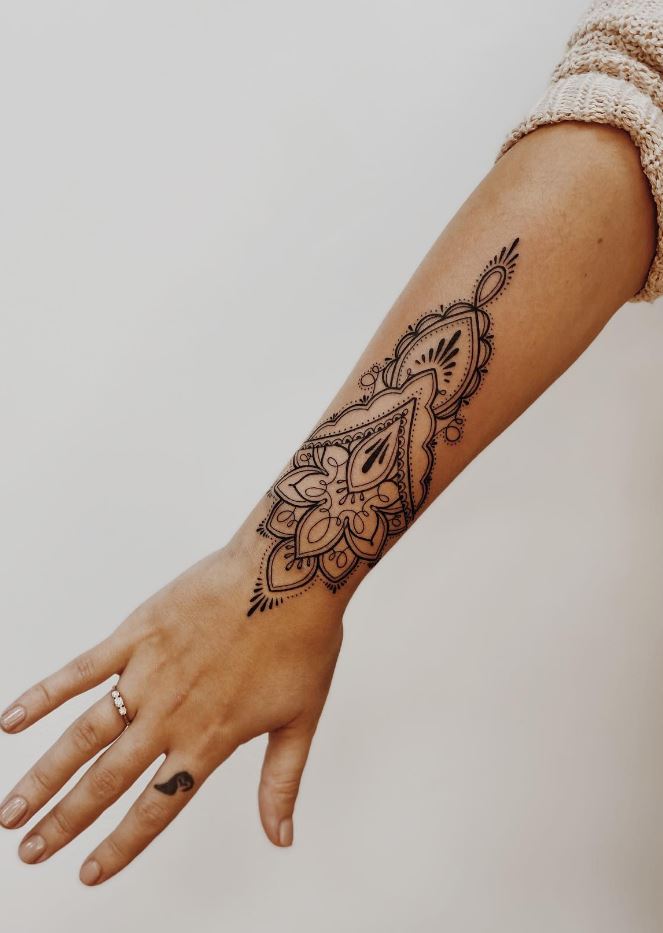
Ornamental vs Mandala Tattoos: Symmetry, Rhythm & Body Placement Guide
Expert guide to ornamental and mandala tattoos: symmetry, pattern rhythm, negative space, stencil alignment, body flow, sizing, and…