Geometric Tattoo Ideas and Placement Guide: Symmetry, Flow & Design
Introduction
Geometric tattoos have become a staple in modern tattooing, prized for their precision, symmetry, and timeless appeal. Whether you’re drawn to sacred geometry, minimalist linework, or complex tessellations, choosing the right design and placement is crucial. This guide covers everything from stencil planning to body flow, ensuring your geometric tattoo looks intentional and ages well.
Understanding Symmetry and Body Flow
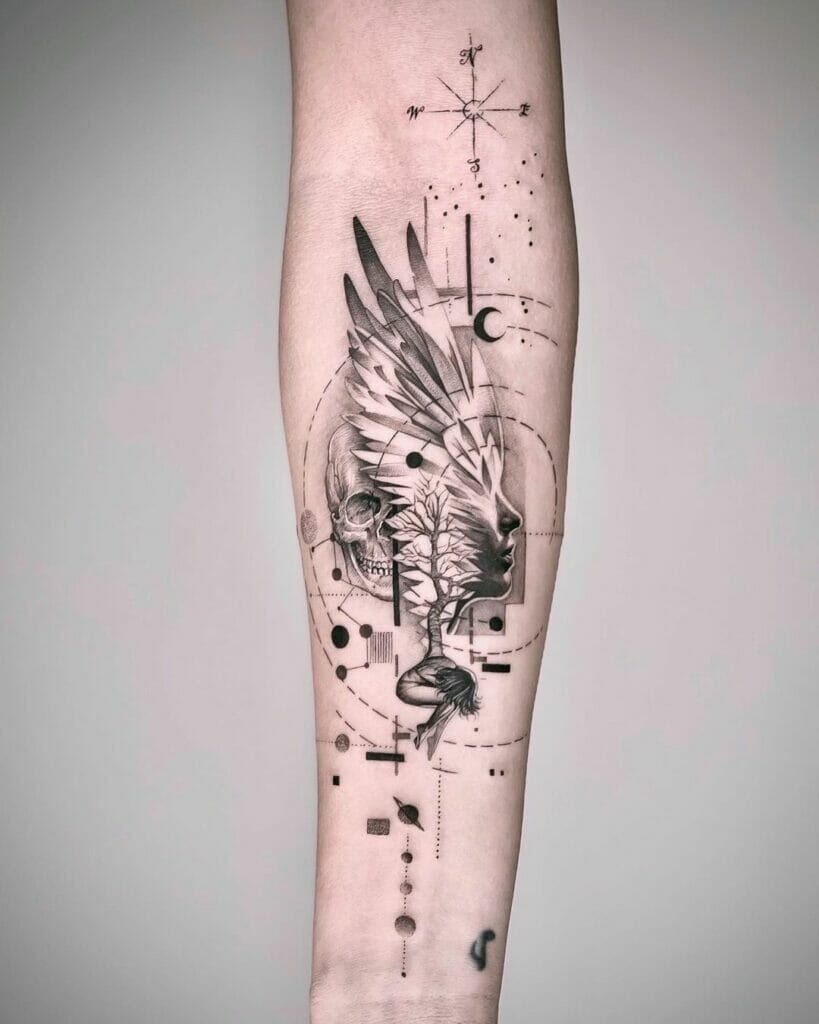
The human body is rarely perfectly symmetrical. A design that looks balanced on a flat surface may warp when placed on a curved limb. Work with your artist to adjust angles and proportions so the tattoo follows your body’s natural contours. For example, a mandala on the back should center along the spine, while a geometric sleeve should flow with muscle lines.
Checklist for Symmetry
- Use a flexible ruler to map out key points on the body.
- Take photos in multiple poses to see how the design shifts.
- Ask your artist to draw the stencil directly on skin before finalizing.
Stencil Planning and Size Considerations
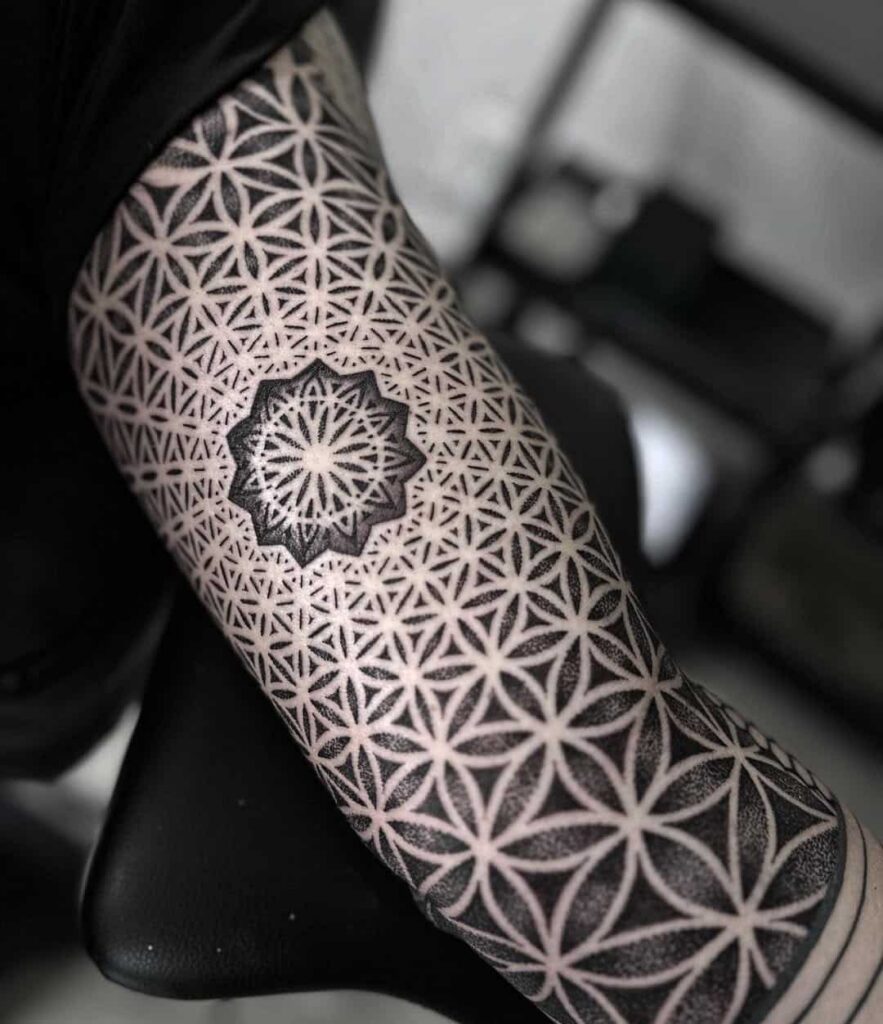
A precise stencil is the foundation of any geometric tattoo. Artists often use transfer paper, carbon paper, or digital projection. Ensure the stencil is placed correctly by checking in a mirror and moving the joint. Size matters: too small and details may blur over time; too large and it may overwhelm the area. A general rule: geometric patterns with thin lines need at least 2–3 inches to stay crisp.
Pro Tips for Stencil Placement
- Avoid placing designs over moles or scars unless intentionally incorporated.
- Test the stencil with temporary markers to see how it interacts with clothing.
- For circular designs, mark the center point first.
Best Placement Areas for Geometric Tattoos
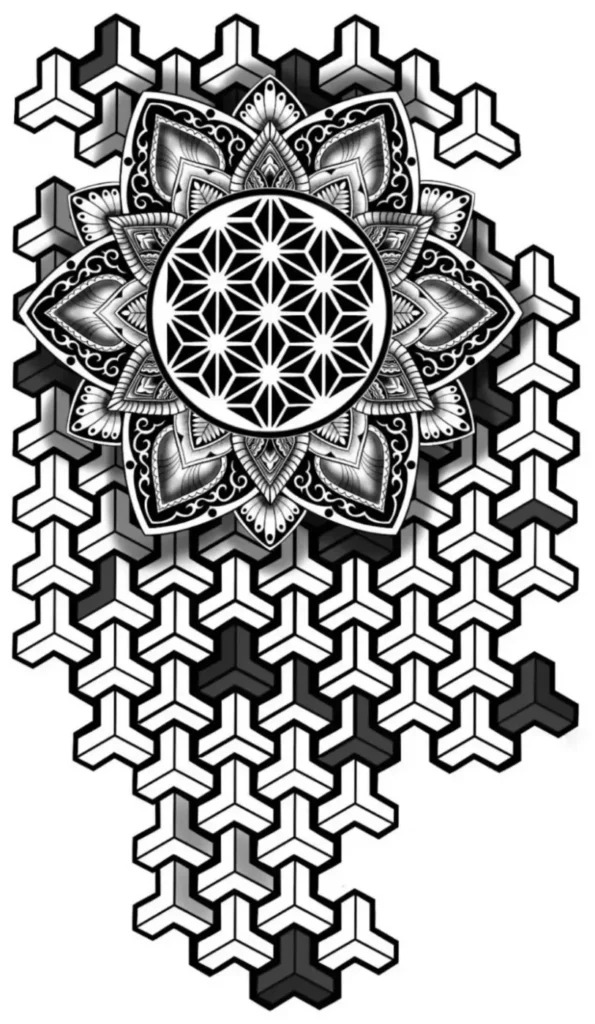
Geometric tattoos shine on flat, stable areas: inner forearm, upper back, chest, and shins. Avoid areas that stretch excessively (like the stomach) or have constant friction (like the hands). For a subtle look, try the wrist, ankle, or behind the ear. For bold statements, the full sleeve or back piece works well.
Placement Guide by Body Part
- Inner forearm: Great for linear patterns; easy to show off or cover.
- Back of neck: Ideal for small geometric symbols; ages well with minimal sun exposure.
- Ribs: Painful but offers a large canvas for intricate designs; consider breathing movement.
Design References and Inspiration
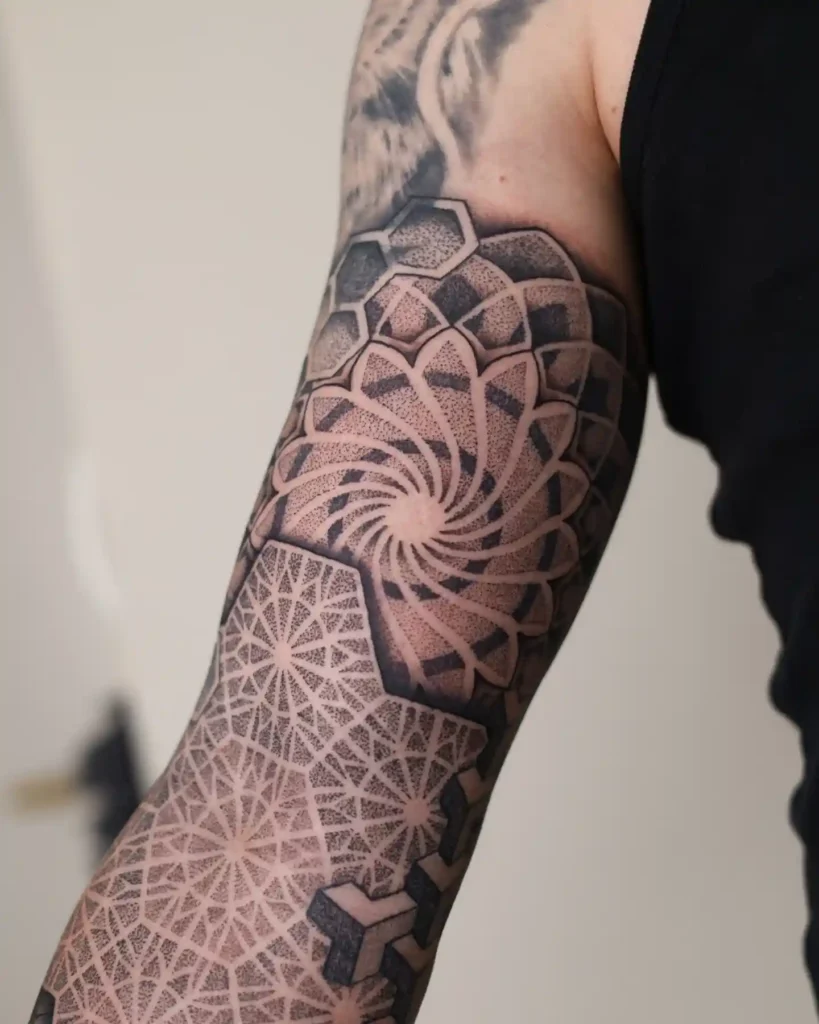
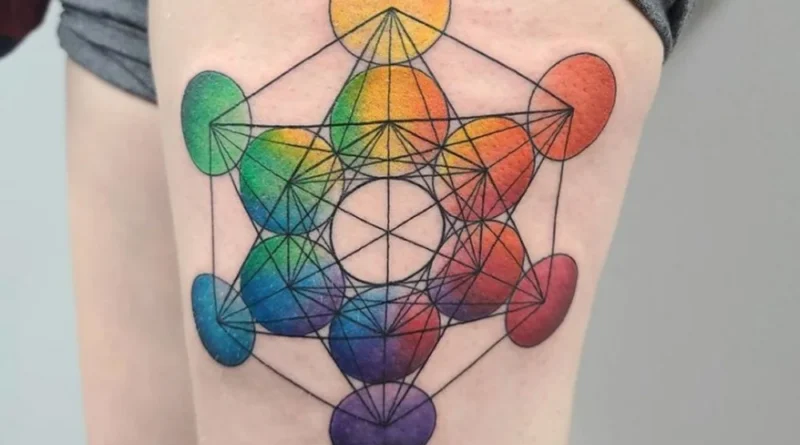
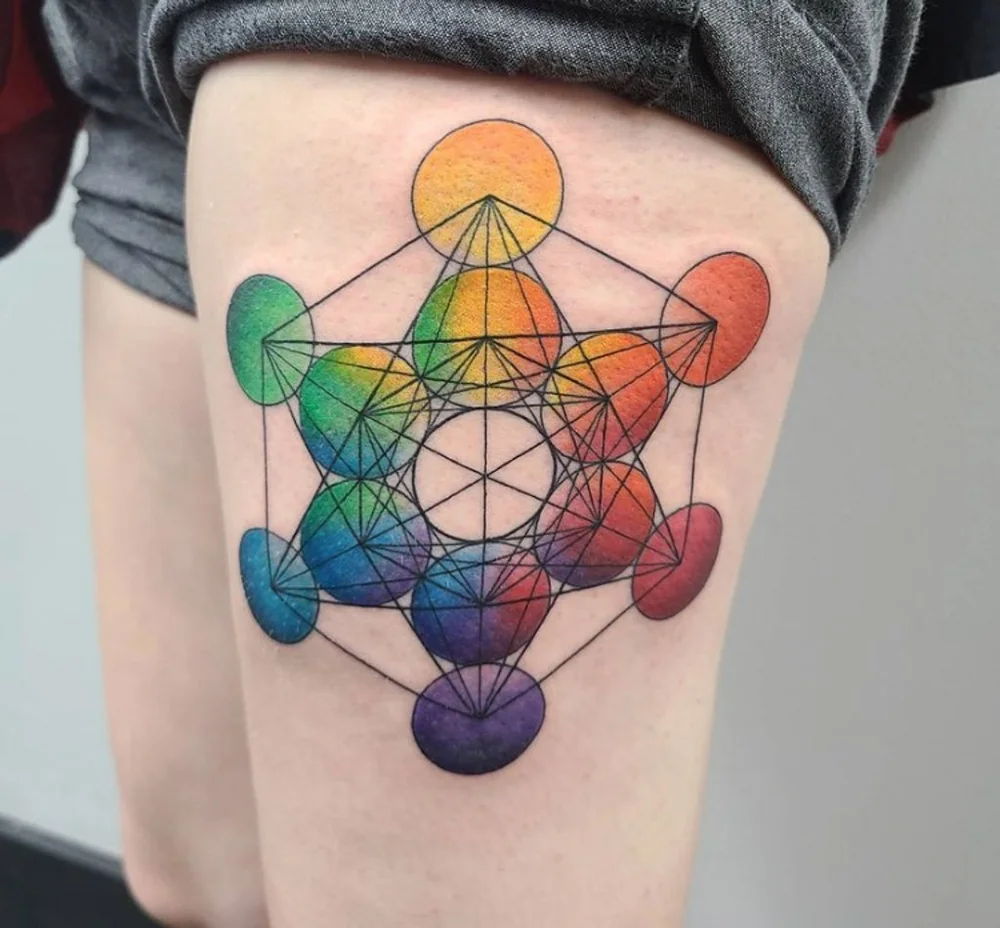
Popular geometric motifs include mandalas, dotwork, sacred geometry (Flower of Life, Metatron’s Cube), and abstract linework. Look for references that incorporate negative space or gradient shading. Avoid overly trendy designs that may date quickly. Check our magazine for artist portfolios and marketplace for stencil ideas.
Practical Checklist Before Getting Inked
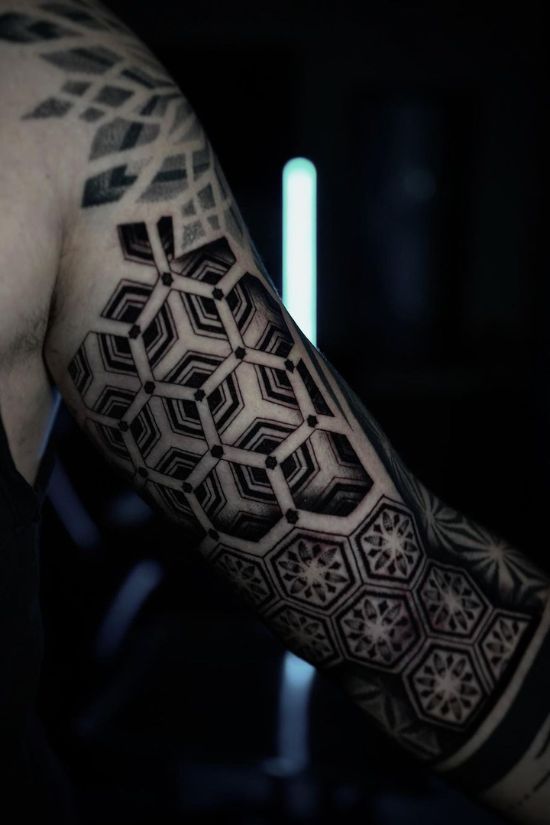
- Consult with an artist who specializes in geometric styles.
- Review their healed work—geometric tattoos require clean lines.
- Discuss size, placement, and color (black is classic, but color can add depth).
- Plan for multiple sessions if the design is large or detailed.
FAQ
1. Do geometric tattoos hurt more than other styles?
Pain depends on placement, not style. However, geometric tattoos often require precise, repetitive lines, which may feel more intense on sensitive areas.
2. How long does a geometric tattoo take to heal?
Surface healing takes 2–3 weeks; full healing (color settling) takes up to 3 months. Follow aftercare instructions carefully to avoid blurring.
3. Can geometric tattoos be covered up later?
Yes, but the precise lines may show through. Consult an artist experienced in cover-ups. Sometimes adding elements works better than full coverage.
4. What should I look for in a geometric tattoo artist?
Look for clean, consistent linework in their portfolio, especially in healed photos. Ask about their stencil process and how they handle body curves.
Read more
- Magazine for more tattoo knowledge, style guides and aftercare notes.
- Request a consultation if you need help with style, placement or preparation.
- Marketplace for equipment, supplies and learning resources.
Content hub
Styles and inspiration hub
Explore more style guides, symbol meanings, composition ideas and placement notes.
View related hubRelated reading
Continue reading
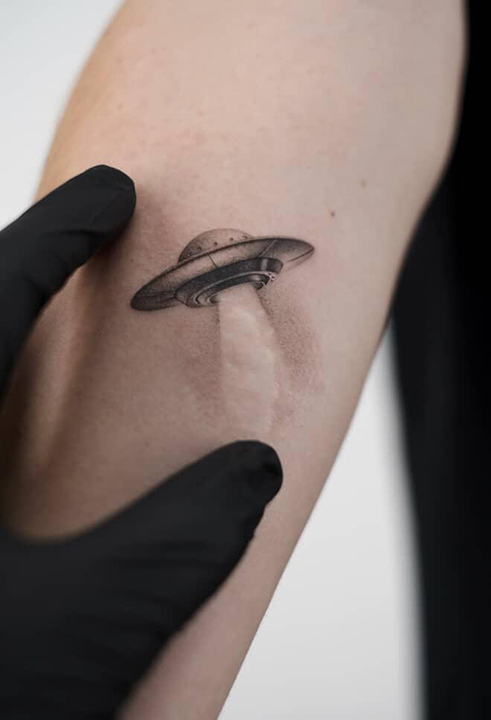
Micro Realism Tattoo: Reference Scale, Skin Texture & Healed Detail – The Expert Guide
Expert guide to micro realism tattoo: reference quality, scale limits, skin texture, contrast, healed detail, and portfolio checks.…
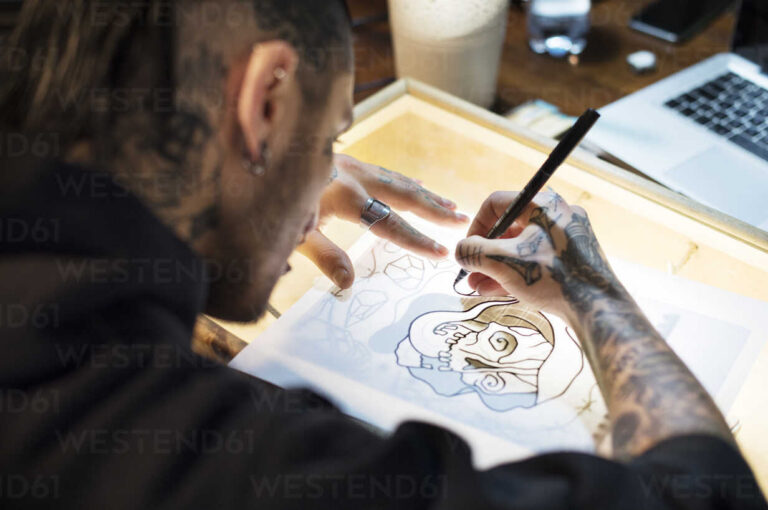
Abstract Tattoo vs Graphic Tattoo: Composition Contrast & Readable Shapes
Explore the key differences between Abstract Tattoo and Graphic Tattoo: composition contrast, readable shapes, silhouette, skin placement, and…
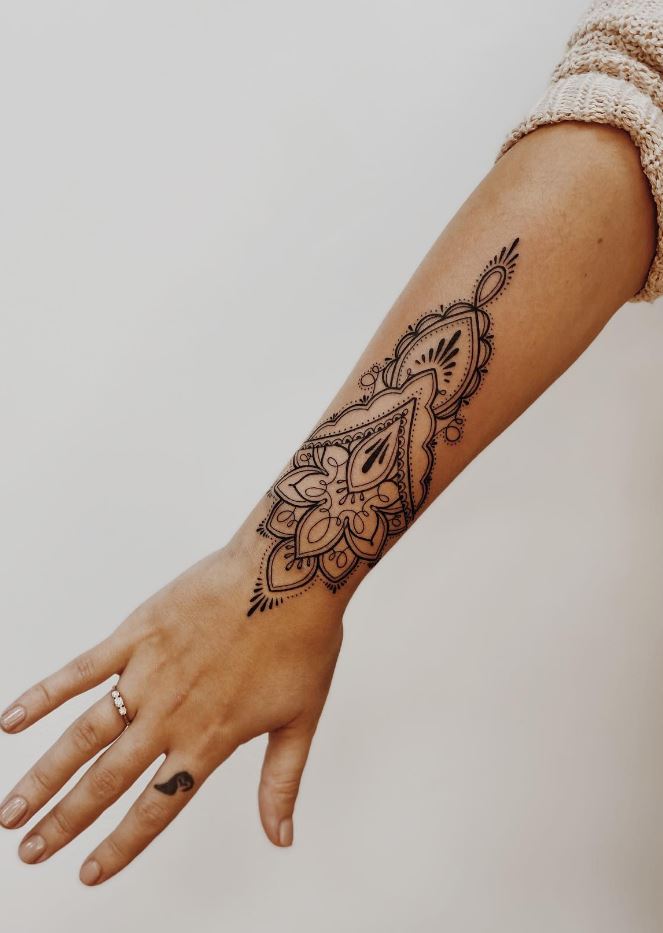
Ornamental vs Mandala Tattoos: Symmetry, Rhythm & Body Placement Guide
Expert guide to ornamental and mandala tattoos: symmetry, pattern rhythm, negative space, stencil alignment, body flow, sizing, and…