The Ultimate Guide to Fine Line Tattoo Ideas & Design Principles
Introduction: The Art of Less Is More
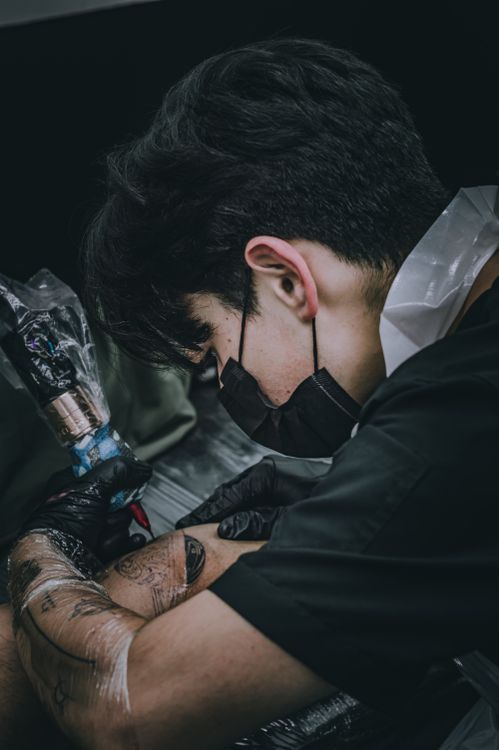
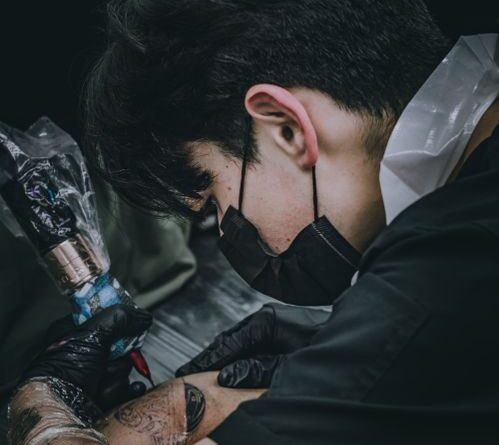
Fine line tattoos have taken the tattoo world by storm, offering a minimalist aesthetic that prioritizes elegance and subtlety. Unlike bold traditional styles, fine line work relies on delicate, hair-thin strokes to create intricate designs that age gracefully. This guide is crafted for both collectors and artists seeking to understand the nuances of fine line tattooing—from design principles to aftercare—so you can make informed decisions and achieve stunning results.
What Defines a Fine Line Tattoo?
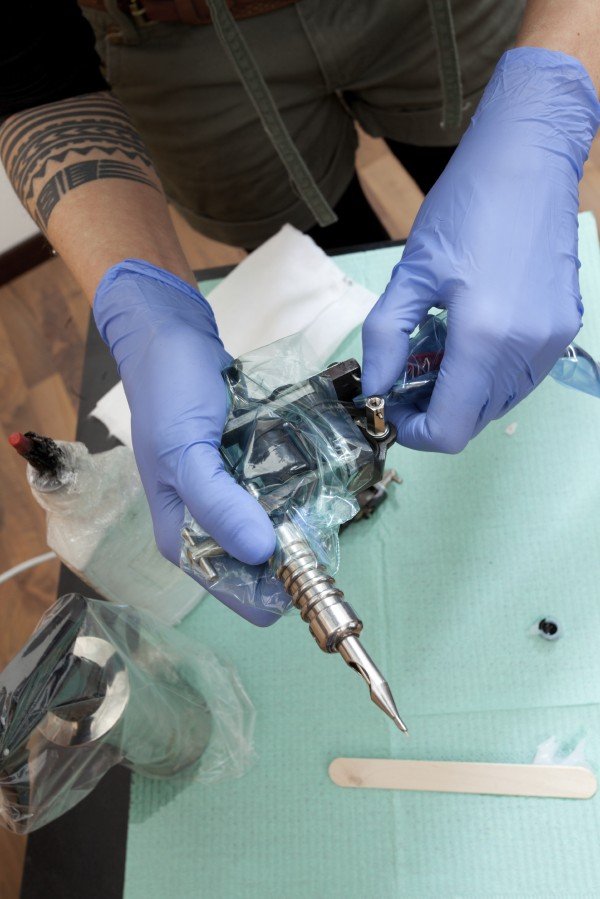
A fine line tattoo is characterized by the use of single-needle or small grouping needles (typically 3RL or smaller) to produce ultra-thin lines. The style overlaps with micro realism, dotwork, and minimalist geometric patterns, but stands apart through its emphasis on precision and negative space. Unlike traditional tattoos that rely on shading and thick outlines, fine line designs often appear airy and delicate, almost like a pencil sketch on skin.
Core Design Principles for Fine Line Tattoos
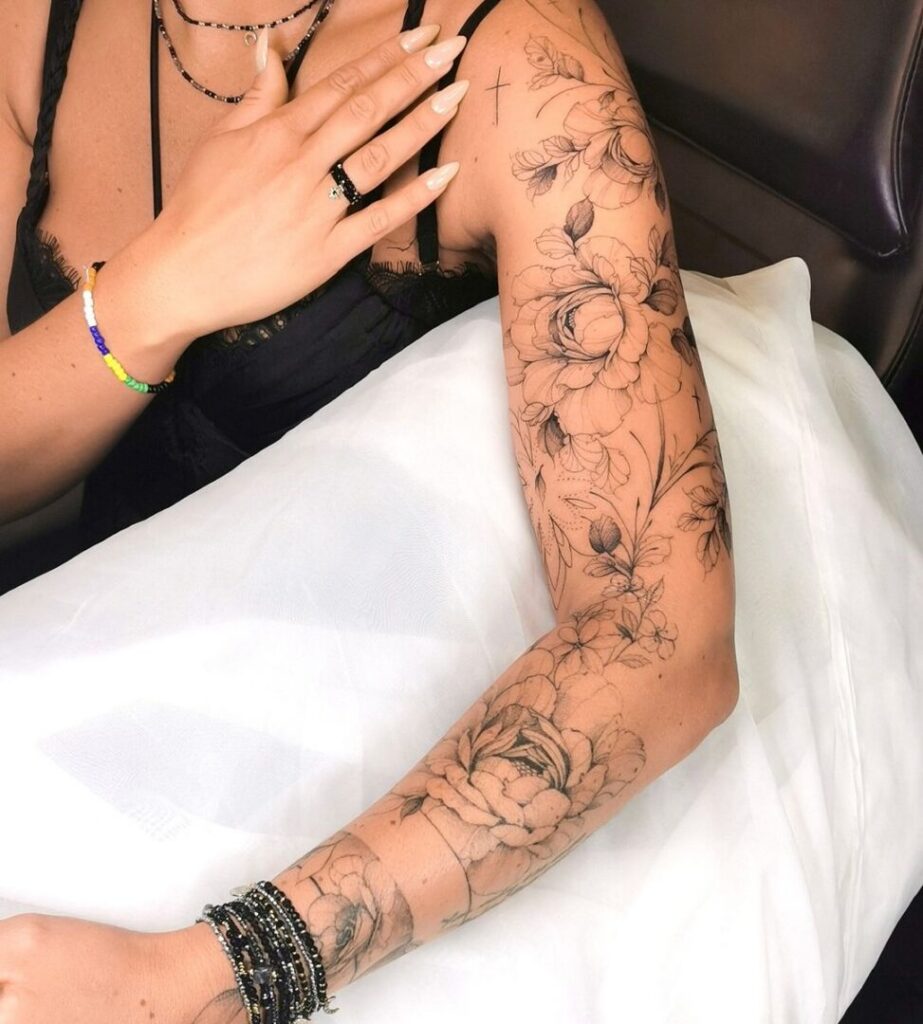
1. Simplicity and Negative Space
Less is truly more. The best fine line designs use minimal elements to convey maximum meaning. Avoid cluttering the composition; let the skin breathe. Negative space becomes an active part of the design, enhancing readability and longevity.
2. Line Weight Variation
Even within fine line work, varying line thickness adds depth. Use slightly thicker lines for outlines and thinner lines for details. This creates a natural hierarchy and prevents the tattoo from looking flat.
3. Placement and Body Flow
Fine line tattoos work best on flat, low-movement areas: inner forearm, collarbone, ribs, ankles, and behind the ear. Avoid high-friction zones like palms or soles, as thin lines may blur faster. Always follow the natural contours of the body for a harmonious look.
4. Longevity Considerations
Fine lines can fade or spread over time. To maximize longevity, ensure lines are deposited at the correct depth (epidermal-dermal junction) and avoid overly tight curves that may bleed. Opt for slightly larger designs to allow for natural spread.
Popular Fine Line Tattoo Ideas
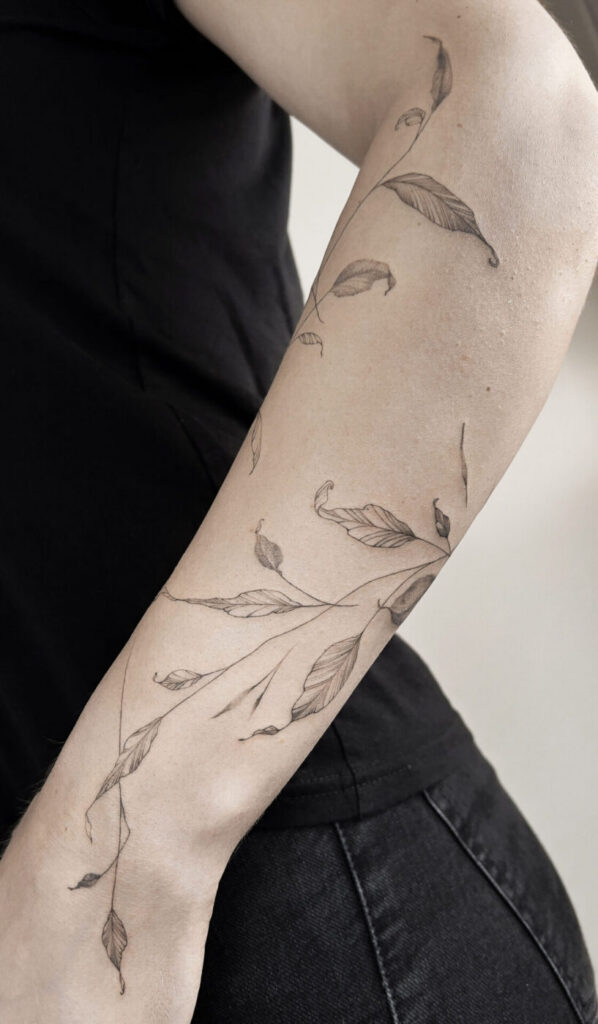
- Botanical Illustrations: Single-stem flowers, leaves, or herbs like lavender, eucalyptus, or fern. Their organic shapes suit fine line perfectly.
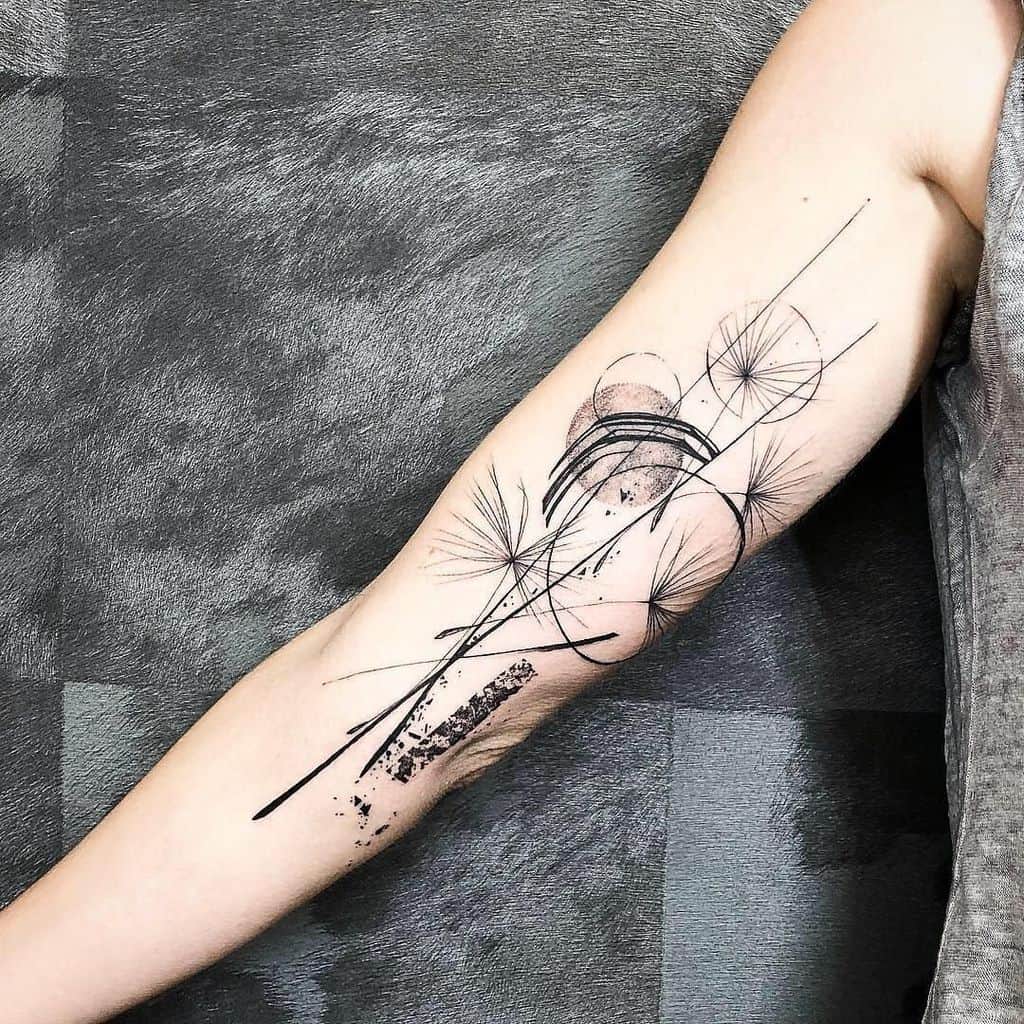
- Abstract Geometric: Interlocking circles, subtle mandalas, or minimalist constellations. Use dotwork for shading.
- Micro Realism: Tiny portraits, animals, or objects rendered with delicate shading. Requires an experienced artist.
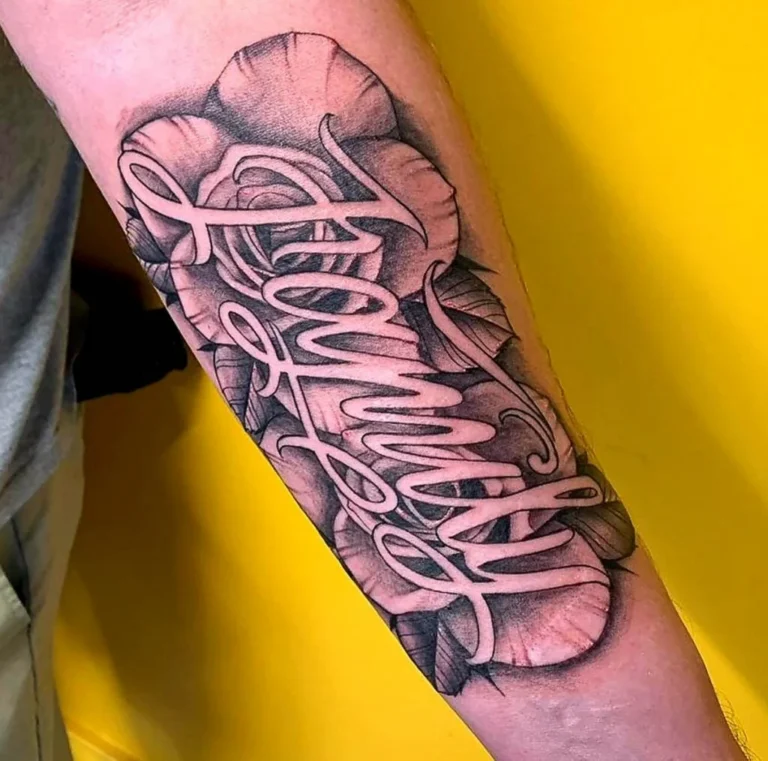
- Lettering and Script: Fine line cursive or typewriter font quotes. Keep text small but legible.
- Symbolic Motifs: Crescent moons, suns, arrows, or coordinate numbers. Pair with fine dotwork.
- Animal Silhouettes: Simple outlines of birds, cats, or wolves. Negative space creates the form.
How to Choose the Right Fine Line Artist
Not all artists excel at fine line. Look for portfolios with healed photos (at least 6 months old) showing crisp lines. Ask about needle size (3RL or smaller is standard), and ensure they use high-quality ink and sterile equipment. A consultation should include discussion of design scalability and placement.
Aftercare for Fine Line Tattoos
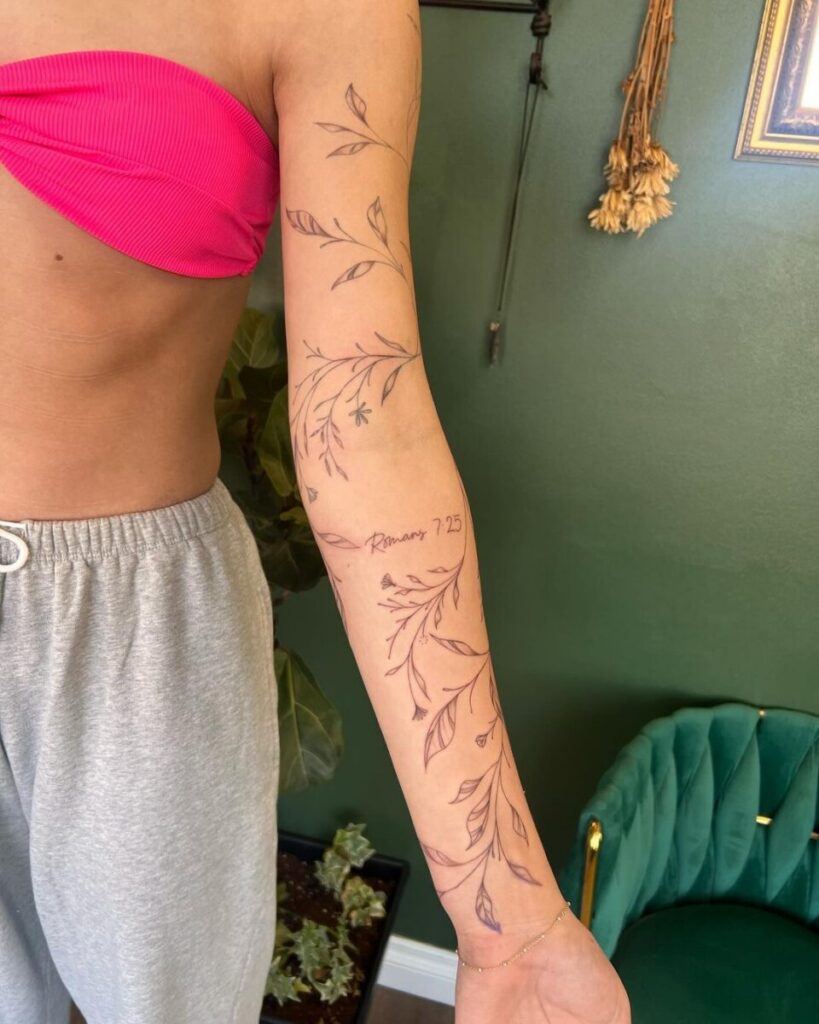
Fine line tattoos require extra care:
- Day 1-3: Keep covered with a sterile bandage for 4-24 hours as advised. Wash gently with antibacterial soap.
- Day 4-14: Apply thin layer of unscented moisturizer after washing. Avoid soaking, direct sun, and tight clothing.
- Long-term: Use SPF 50+ sunscreen to prevent fading. Touch-ups may be needed every 5-10 years.
Warning signs: If you see excessive redness, oozing, or heat beyond 48 hours, consult a doctor. Do not pick scabs—this can remove ink.
FAQ
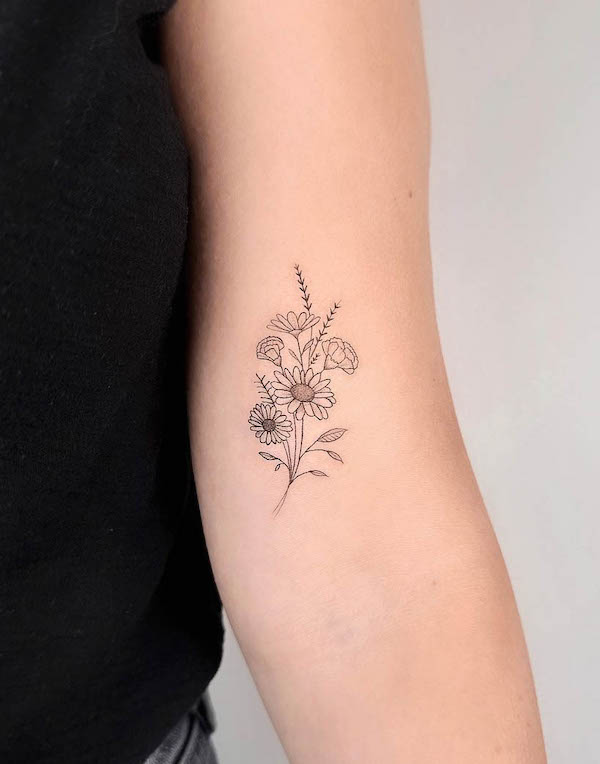
Do fine line tattoos hurt less?
Pain depends on placement, not style. Fine line uses smaller needles, which may feel like a scratch, but multiple passes over the same area can increase discomfort.
How long do fine line tattoos last?
With proper care, 5-15 years before noticeable fading. Touch-ups restore crispness.
Can fine line tattoos be covered up later?
Yes, but thin lines may need multiple sessions or a darker design. Plan ahead if cover-up is a possibility.
Are fine line tattoos more expensive?
Rates vary; fine line often costs the same or slightly more due to precision and time. Expect $150-$300 per hour depending on artist.
Conclusion
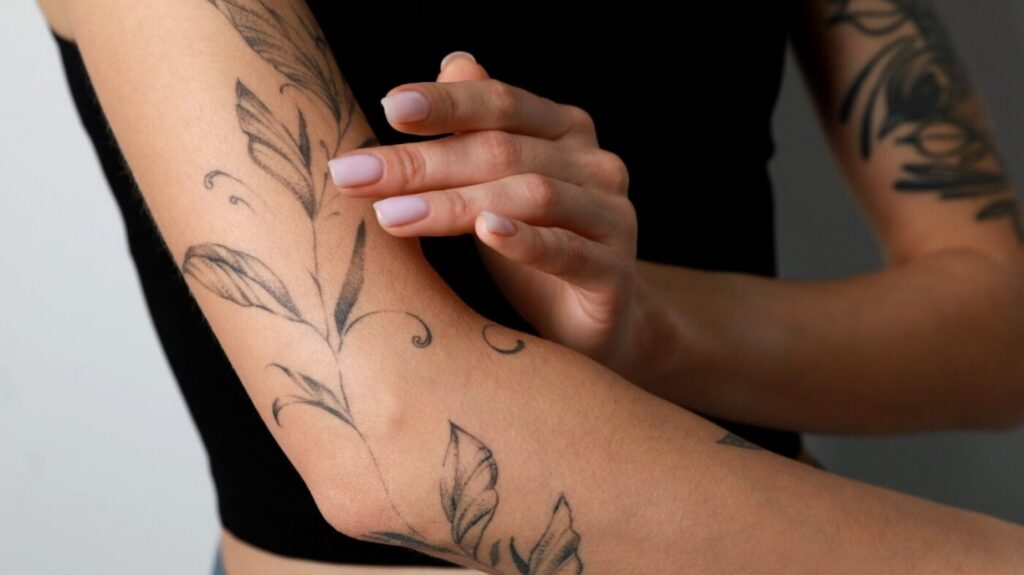
Fine line tattoos are a beautiful choice for those who appreciate subtlety and precision. By following design principles, choosing the right artist, and committing to aftercare, your fine line piece can remain a cherished work of art for years. Explore more inspiration in our magazine or find a verified studio near you.
Read more
- Magazine for more tattoo knowledge, style guides and aftercare notes.
- Request a consultation if you need help with style, placement or preparation.
- Marketplace for equipment, supplies and learning resources.
Content hub
Tattoo styles pillar
This article belongs to the styles cluster. Open the pillar page to compare Irezumi, Old School, Realistic, Blackwork, Fine line, Geometric and Watercolor.
Related reading
Continue reading
Lettering Tattoo Healed Portfolio Review: Kerning, Baseline & Placement Distortion
A specialist healed-portfolio review guide for Lettering tattoos, focused on kerning, baseline control and placement distortion. Includes concrete…
Lettering Tattoo Placement: A Specialist Guide to Kerning, Baseline Control, and Body-Flow Distortion
A specialist guide to lettering tattoos focusing on kerning, baseline control, and placement distortion. Learn how to plan…

Lettering Tattoo Design Consultation Checklist: Kerning, Baselines, and Placement Distortion
A specialist consultation checklist for lettering tattoos covering kerning, baseline control, and placement distortion. Includes practical tests, booking…