
Fine Line Tattoo Ideas & Design Principles: A Complete Guide to Delicate Ink
Introduction: The Art of Fine Line Tattoos
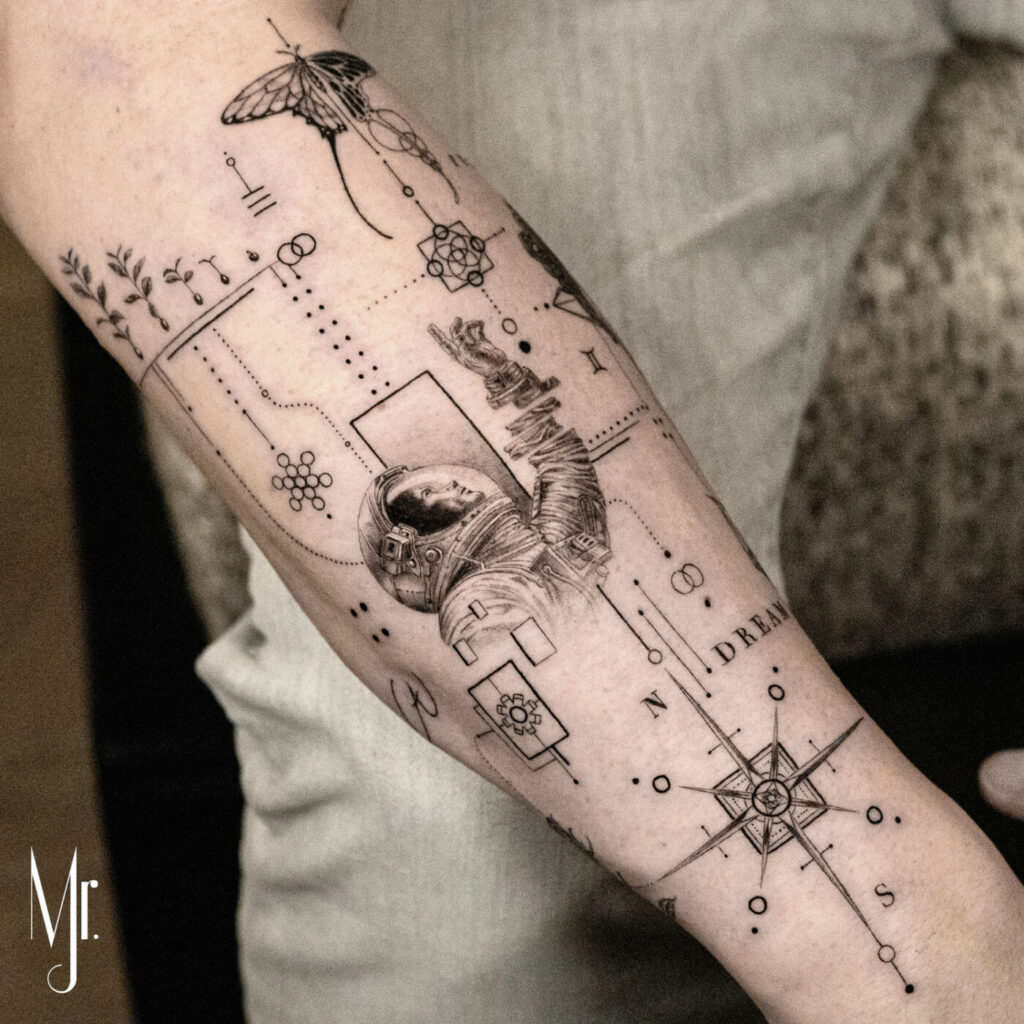
Fine line tattoos have become a staple in modern tattooing, prized for their subtlety, elegance, and ability to age gracefully. Unlike bold traditional styles, fine line work relies on thin, precise strokes that create delicate imagery. This guide covers the essential design principles—visual rules, spacing, line weight, aging, placement suitability, reference selection, and common mistakes—so you can approach your next tattoo with confidence.
Visual Rules for Fine Line Design
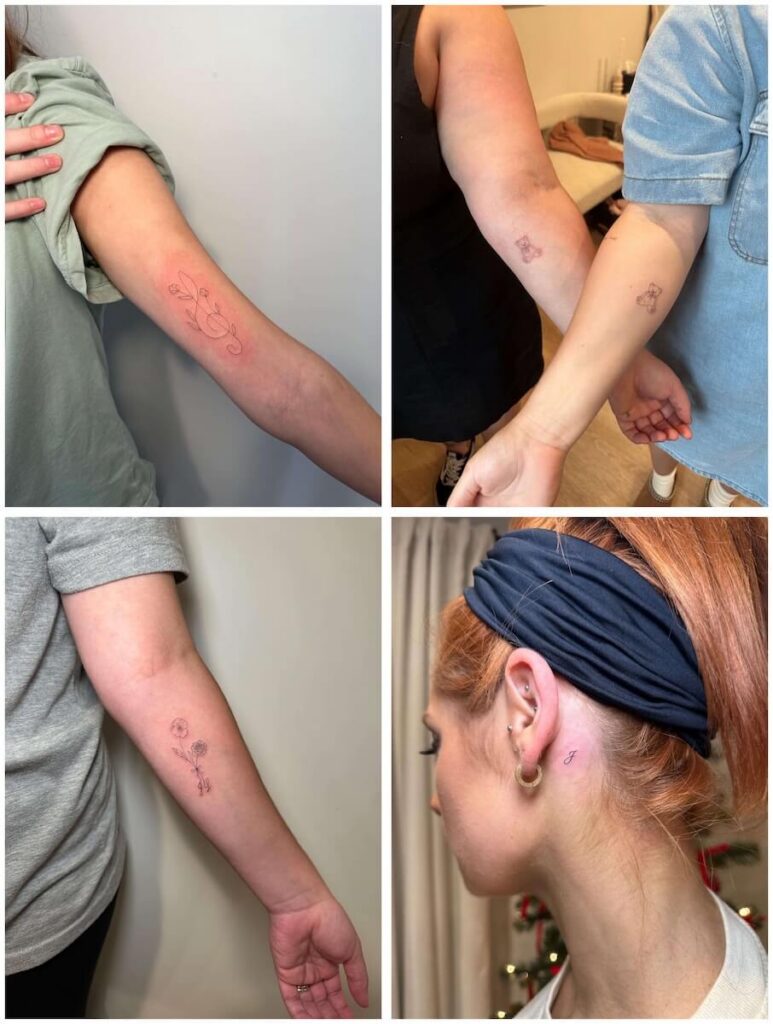
Fine line tattoos thrive on simplicity. The key visual rules include:
- Contrast: Use negative space to define shapes. Avoid overcrowding; let the skin breathe.
- Proportion: Scale the design to the body part. A tiny flower on a large thigh can look lost; a sprawling design on a wrist may distort.
- Flow: Follow the natural curves of the body. Straight lines on a curved surface (like a ribcage) can warp over time.
Caveat: Fine line tattoos are less forgiving of asymmetry. If your reference has uneven elements, ask your artist to rebalance them.
Spacing and Line Weight Fundamentals
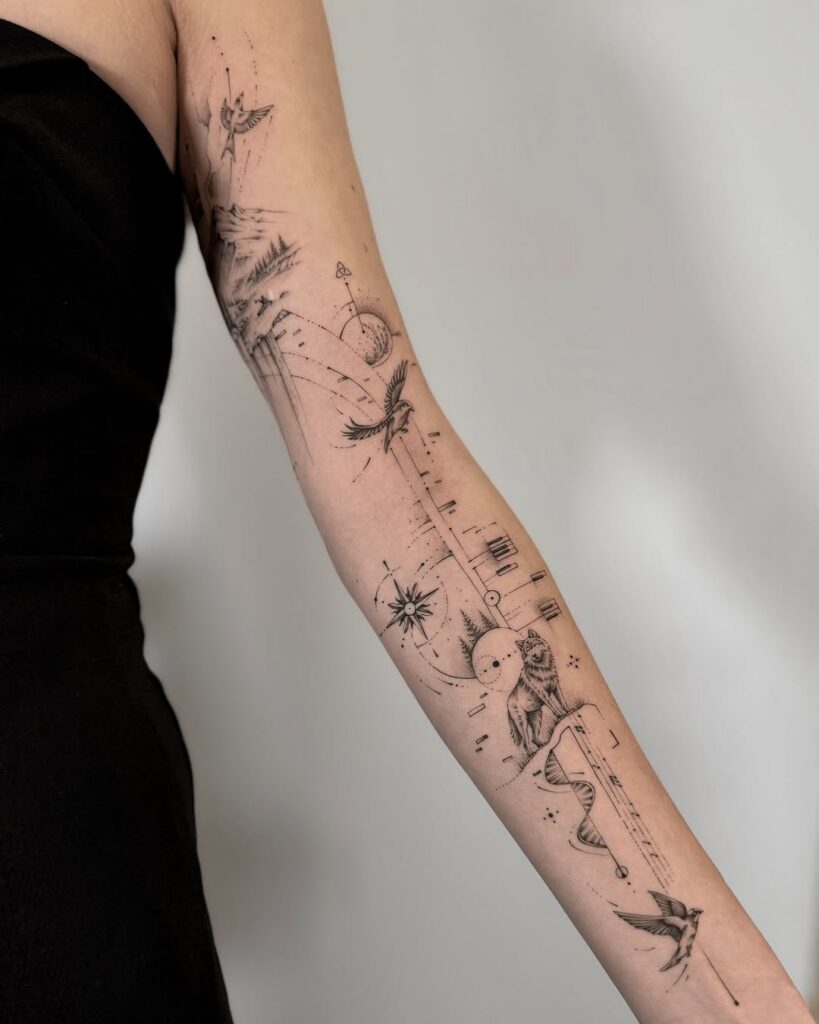
Spacing between lines is critical. Lines that are too close may blur together as the tattoo ages (a process called ink spread). A general rule: keep lines at least 1–2 mm apart for small designs, and use a single needle (or tight 3-liner) for the finest details.
Line weight should vary to create depth. Use thicker lines for outlines or foreground elements, and thinner lines for shading or background details. Consistency is key—avoid abrupt changes in needle size within one tattoo.
Practical checklist:
- Ask your artist to show you the needle grouping they plan to use (e.g., 1RL, 3RL).
- Review a healed example of their fine line work to see how spacing holds up.
How Fine Line Tattoos Age
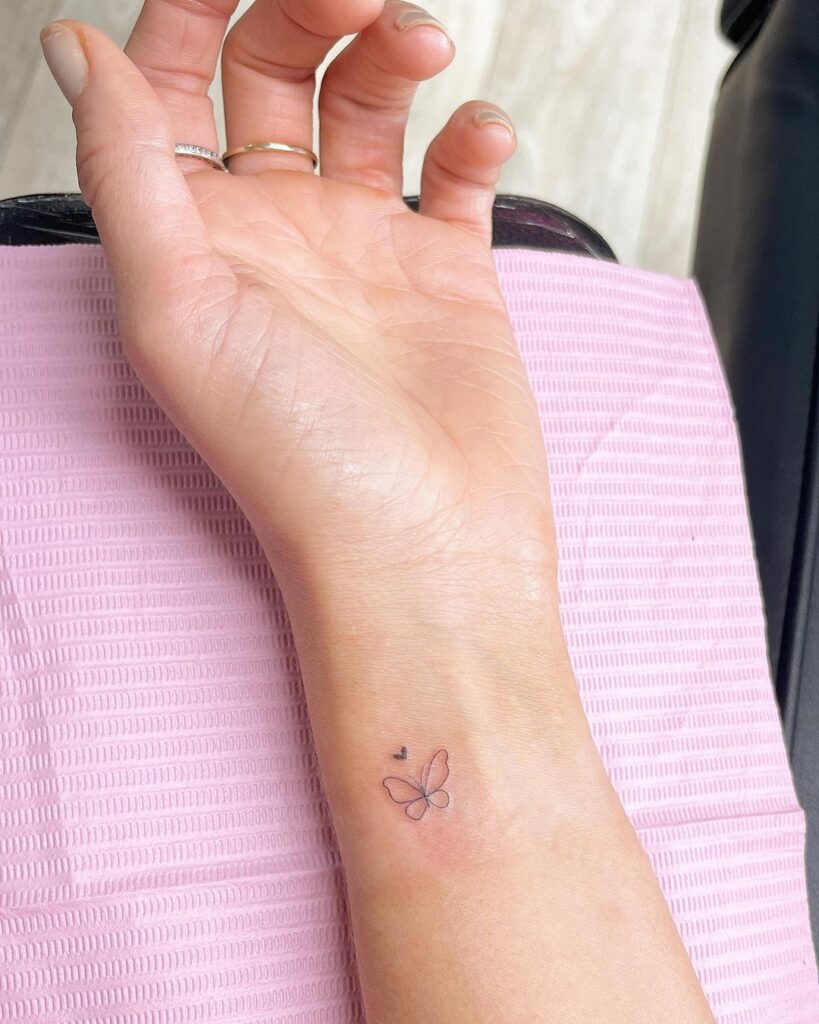
All tattoos fade over time, but fine line tattoos are particularly susceptible because the ink is deposited in smaller amounts. Sun exposure, skin elasticity, and placement all affect longevity. After 5–10 years, fine lines may become lighter, and some details may blur. To slow aging:
- Use high SPF sunscreen on tattooed areas.
- Moisturize daily to keep skin supple.
- Choose placements with minimal friction (avoid hands, feet, and waistbands).
Caveat: Fine line tattoos on areas like the inner lip or palm are not recommended—they fade rapidly and are hard to touch up.
Placement Suitability
Not every body part is ideal for fine line work. Best placements include:
- Forearm: Flat surface, low movement.
- Collarbone: Follows bone structure.
- Ankle: Small canvas for dainty designs.
- Behind ear: Discrete and low-friction.
Avoid high-motion areas like fingers, elbows, and knees, where lines may blow out or fade unevenly. Also, fine line tattoos on very oily skin (e.g., back) may heal with a blurred appearance.
Choosing the Right Reference
Select references that are clear, high-contrast, and scalable. Avoid low-resolution images or photos of tattoos that are heavily filtered. Look for:
- Clean line art (no shading, if you want pure line work).
- Botanical illustrations, geometric patterns, or minimalist symbols.
- References that show healed results (not just fresh tattoos).
Mistake to avoid: Don’t bring a reference of a large, detailed piece and ask for a tiny version—details will be lost. Your artist can simplify the design.
Common Mistakes to Avoid
- Overcomplicating: Too many elements in a small space create a muddy tattoo.
- Ignoring skin type: Oily or thick skin may not hold fine lines well.
- Choosing a novice artist: Fine line requires precision; always check healed portfolios.
- Skipping a consultation: Discuss size, placement, and aging expectations beforehand.
FAQ
1. Do fine line tattoos hurt less?
Pain varies by placement, but fine line tattoos often use smaller needles and less trauma, so they can be less painful than bold styles. However, areas with thin skin (like ribs) still hurt.
2. How long do fine line tattoos last?
With proper care, they can last a lifetime, but they will fade and spread over time. Touch-ups every 5–10 years are common.
3. Can fine line tattoos be covered up later?
Yes, but the original lines may show through. A cover-up typically requires a larger, darker design. Consult an artist experienced in cover-ups.
4. What is the best needle for fine line tattoos?
Single needle (1RL) or tight 3-liner (3RL) are standard. Your artist will choose based on the design and skin type.
Internal links: Browse more tattoo inspiration on our magazine, or book a consultation with a verified artist. Find tattoo supplies for aftercare.
Read more
- Magazine for more tattoo knowledge, style guides and aftercare notes.
- Request a consultation if you need help with style, placement or preparation.
- Marketplace for equipment, supplies and learning resources.
Content hub
Styles and inspiration hub
Explore more style guides, symbol meanings, composition ideas and placement notes.
View related hubRelated reading
Continue reading
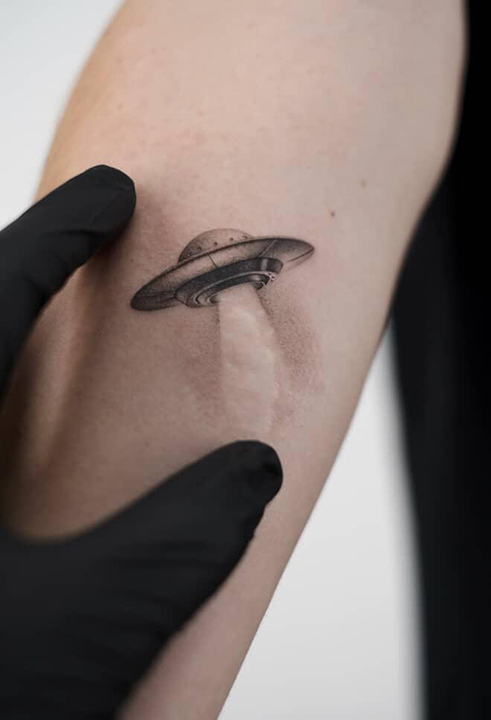
Micro Realism Tattoo: Reference Scale, Skin Texture & Healed Detail – The Expert Guide
Expert guide to micro realism tattoo: reference quality, scale limits, skin texture, contrast, healed detail, and portfolio checks.…

Abstract Tattoo vs Graphic Tattoo: Composition Contrast & Readable Shapes
Explore the key differences between Abstract Tattoo and Graphic Tattoo: composition contrast, readable shapes, silhouette, skin placement, and…
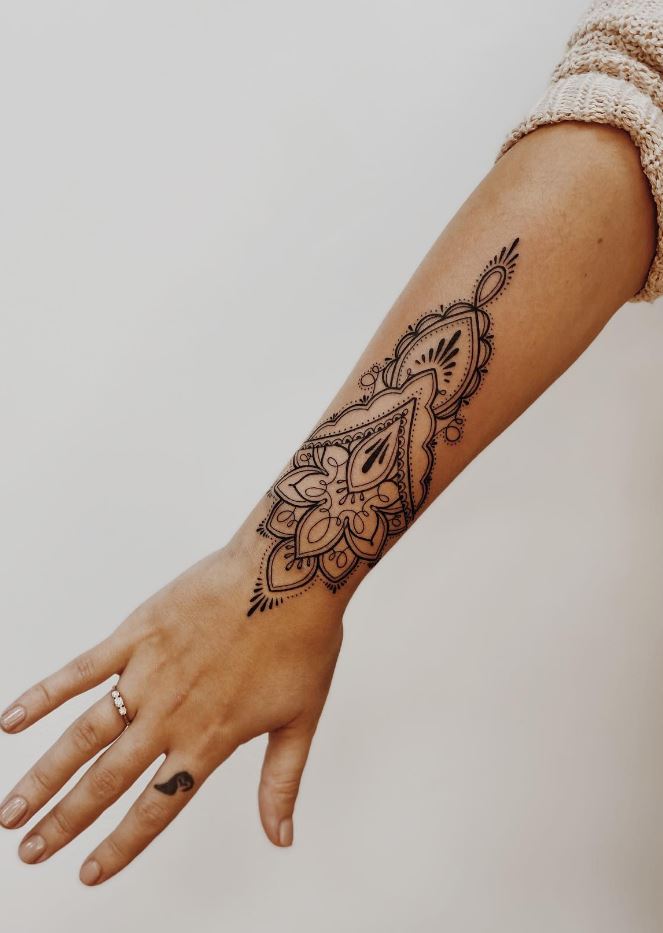
Ornamental vs Mandala Tattoos: Symmetry, Rhythm & Body Placement Guide
Expert guide to ornamental and mandala tattoos: symmetry, pattern rhythm, negative space, stencil alignment, body flow, sizing, and…