
Coil vs Rotary vs Pen Machines: The Pro Guide to Choosing Your Tattoo Workhorse
Introduction: Why Machine Selection Matters
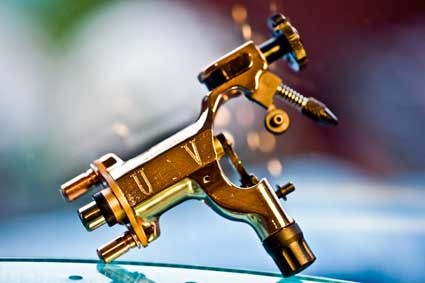
Choosing the right tattoo machine is one of the most important decisions an artist makes. The machine affects line quality, shading, healing, and your own physical endurance. This guide compares coil, rotary, and pen machines from a professional standpoint, focusing on stroke, voltage behavior, maintenance, ergonomics, learning curve, and suitable workflows. No hype—just practical knowledge.
Machine Types Overview
Coil Machines
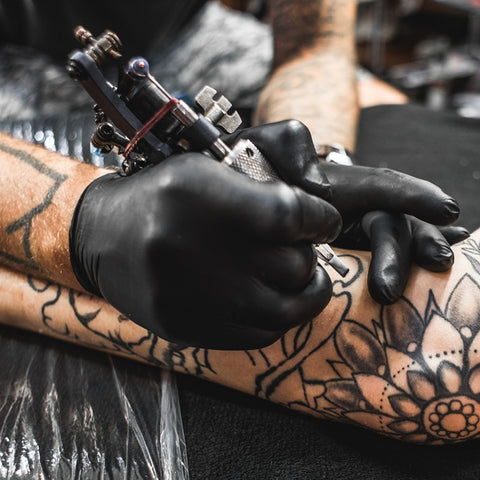
Traditional electromagnetic machines that use coils to move the armature bar. They deliver a distinct, percussive impact. Best for bold lines and color packing. Stroke: Typically 2–4 mm, adjustable via screw. Voltage behavior: Sensitive to voltage changes; lower voltage gives slower, more controlled hits; higher voltage speeds up but can cause excessive trauma. Maintenance: High—requires regular cleaning, gap adjustment, spring replacement, and contact point care. Ergonomics: Heavy, often unbalanced; can cause hand fatigue. Learning curve: Steep; requires understanding of magnetic fields, gap settings, and spring tension. Suitable workflows: Lining, color saturation, traditional styles.
Rotary Machines
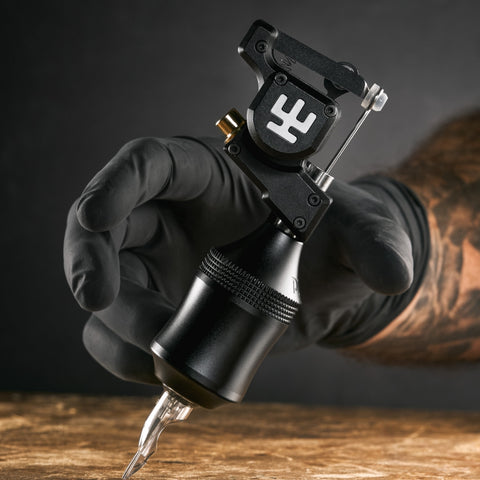
Use a motor to rotate an eccentric cam or direct drive. Smoother, quieter, and more consistent. Stroke: Fixed or adjustable, typically 2.5–5 mm. Voltage behavior: Less sensitive; voltage primarily affects speed, not impact. Maintenance: Moderate—clean motor bearings, replace grommets or O-rings occasionally. Ergonomics: Lighter, better balanced; reduces fatigue. Learning curve: Moderate; easier to learn than coil but requires understanding of stroke and needle depth. Suitable workflows: Shading, color blending, fine line, realism.
Pen Machines
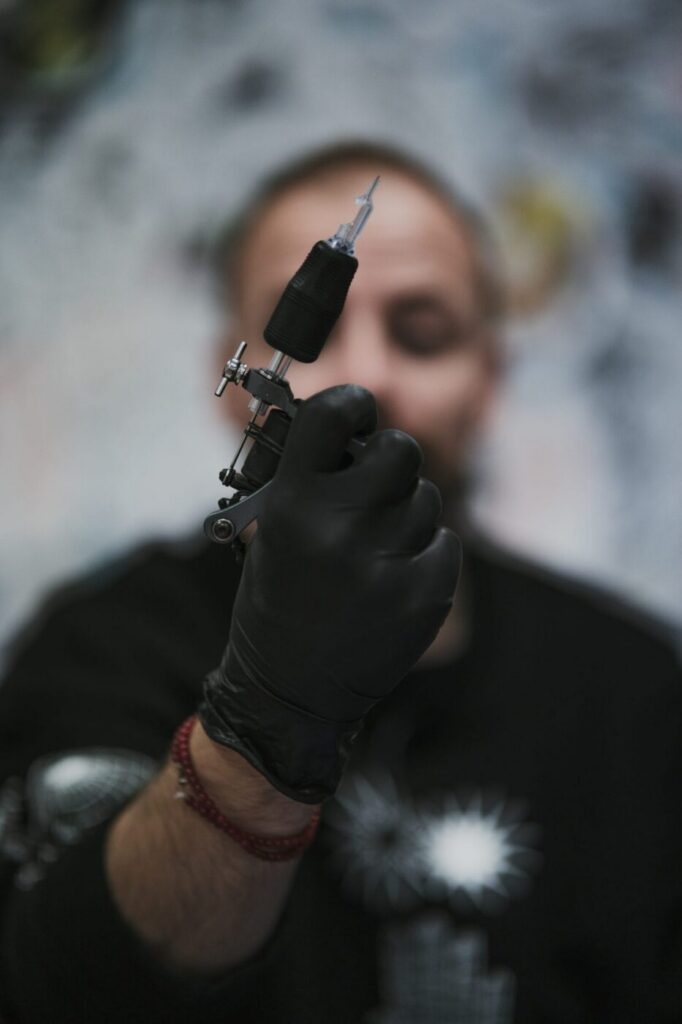
A modern evolution of rotary, designed like a pen. Very lightweight, ergonomic, and often wireless. Stroke: Usually adjustable, 2.5–4.5 mm. Voltage behavior: Similar to rotary; consistent. Maintenance: Low—sealed motors, few moving parts. Ergonomics: Excellent; reduces hand strain, ideal for long sessions. Learning curve: Low; intuitive grip, easy depth control. Suitable workflows: All styles, especially fine line, micro realism, and long-duration work.
Detailed Comparison Checklist
- Stroke: Coil: 2–4 mm; Rotary: 2.5–5 mm; Pen: 2.5–4.5 mm. Longer stroke = more ink deposit, suitable for shading. Shorter = precise lining.
- Voltage behavior: Coil: voltage affects both speed and impact; Rotary/Pen: voltage mainly changes speed. For coil, low voltage (4–6 V) for shading, high (8–10 V) for lining. Rotary/Pen: 6–9 V typical.
- Maintenance: Coil: weekly cleaning, gap checks, spring replacement every 3–6 months. Rotary: monthly cleaning, bearing lubrication. Pen: minimal—wipe down, occasional motor check.
- Ergonomics: Coil: heaviest, can cause carpal tunnel. Rotary: medium. Pen: best, especially with wireless battery packs.
- Learning curve: Coil: hard; requires apprenticeship training. Rotary: moderate. Pen: easiest for beginners.
- Workflow: Coil: traditional bold work. Rotary: versatile, good for color and shading. Pen: all-rounder, excellent for precision.
Practical Guidance for Artists and Apprentices
For Beginners
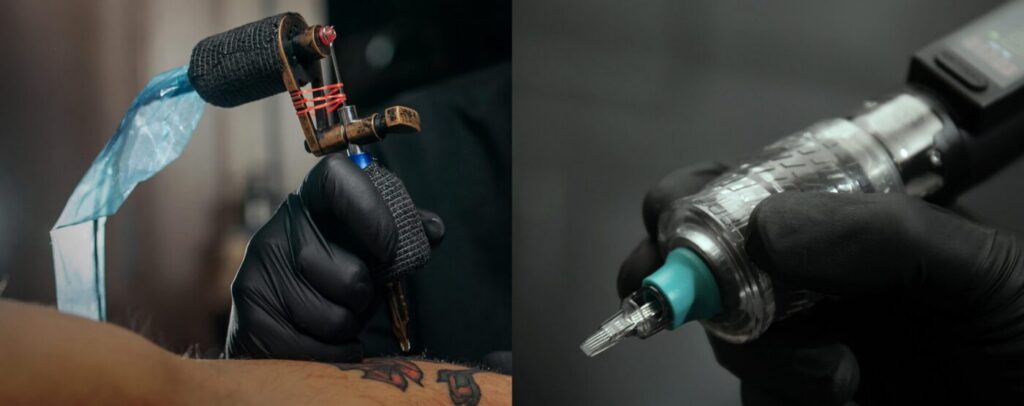
Start with a pen machine. It allows you to focus on technique without fighting the tool. Learn hand speed, needle depth, and skin stretching. Once comfortable, try a rotary to understand stroke and voltage interplay. Coil should come later, under mentor guidance.
For Experienced Artists
Consider adding a rotary or pen for specific tasks. Many artists use coil for lining and pen for shading. Caveat: Coil machines can cause more trauma if not tuned correctly. Always test on practice skin before client work.
Maintenance Best Practices
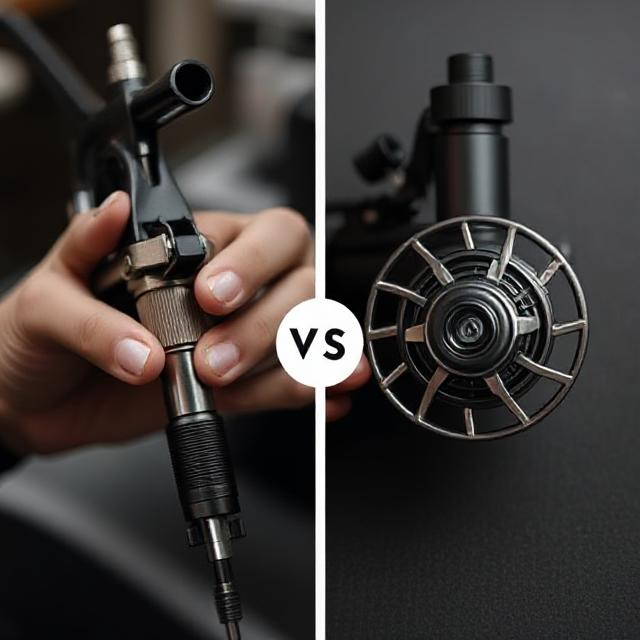
- Clean after each use: disassemble, wipe all parts, lubricate where needed.
- Check contact points: coil gaps should be uniform (0.5–1 mm). Rotary bearings should spin freely.
- Replace springs: coil springs wear out; keep spares.
- Motor care: rotary and pen motors are sealed; avoid submerging.
- Wireless batteries: keep charged, store at room temperature.
Ergonomics and Health
Repetitive strain injuries are common. Pen machines reduce grip force. Use a lightweight cord or wireless setup. Take breaks every hour. Stretch hands and wrists. If you feel numbness, switch tools or adjust grip.
FAQ
Which machine is best for lining?
Coil machines offer crisp, bold lines due to their percussive action. However, pen machines with short stroke (2.5–3 mm) can produce equally fine lines with less trauma. Choose based on your style.
Can I use a pen machine for color packing?
Yes, but you may need a longer stroke (4 mm+) and slower hand speed. Coil machines still excel at solid color saturation.
How often should I replace springs on a coil machine?
Every 3–6 months, depending on use. Signs of wear: inconsistent hitting, buzzing sound, or spring visible fatigue.
Are wireless pen machines reliable?
Modern wireless pens from reputable brands are very reliable. Battery life varies (4–8 hours). Always have a backup battery or corded option.
Internal Links
- Explore more pro articles in our magazine
- Get personalized machine advice
- Shop machines and parts
- Find artists using specific machines
Keep exploring Vietnam Tattoo
- Browse Ranking for notable studios and artists by city, style, and intent.
- Search artists and studios by profile type, city, verification level, and contact channel.
- View verified profiles to check approved and verified entries.
- Request a consultation if you need help choosing style, placement, or a suitable studio.
Content hub
Pro corner hub
Read more about needles, inks, machines, cartridges and safer professional practice.
View related hubRelated reading
Continue reading
Tattoo Ink Safety: Pigment Labels, Batch Tracking, and Sterile Handling – A Professional Studio Guide
Learn how to ensure tattoo ink safety in your studio: pigment labels, batch tracking, sterile storage, contamination prevention,…
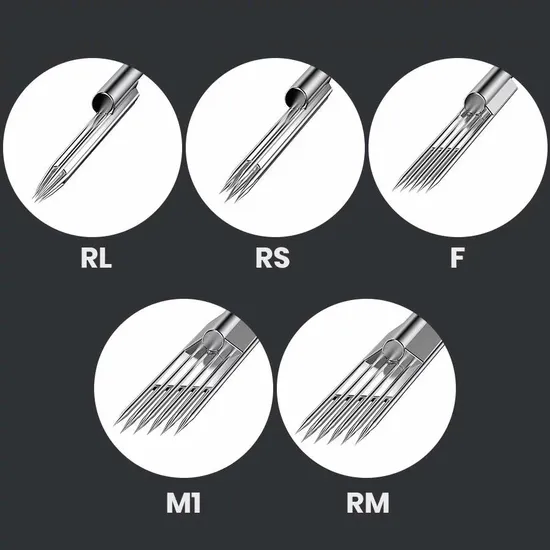
Tattoo Cartridge Needle Guide: Round Liner, Magnum, Curved Magnum, and Taper Angle – Pro Education
Ultimate guide to tattoo cartridge needles: round liner, magnum, curved magnum, taper angle. Learn use cases, skin trauma,…
Coil vs Rotary vs Pen Tattoo Machines: The Ultimate Pro Guide for Artists & Apprentices
Compare coil, rotary, and pen tattoo machines: stroke, voltage, maintenance, ergonomics, and workflow. Expert guide for artists and…