Blackwork Tattoo Planning: Solid Fill, Negative Space & Healed Contrast – The Expert Guide
Introduction
Blackwork tattooing—covering large areas with dense black ink, often combined with negative space—remains one of the most striking and enduring styles in modern tattooing. But planning a blackwork piece goes far beyond picking a cool design. The interplay between solid fill, untouched skin, and how the tattoo heals determines whether your piece looks crisp and intentional or muddy and uneven. This guide is crafted for collectors and artists who want to understand the technical decisions behind a successful blackwork tattoo: from saturation levels and session planning to the nuances of healed contrast. No fluff—just actionable insights.
Understanding Saturation: How Black is “Black”?
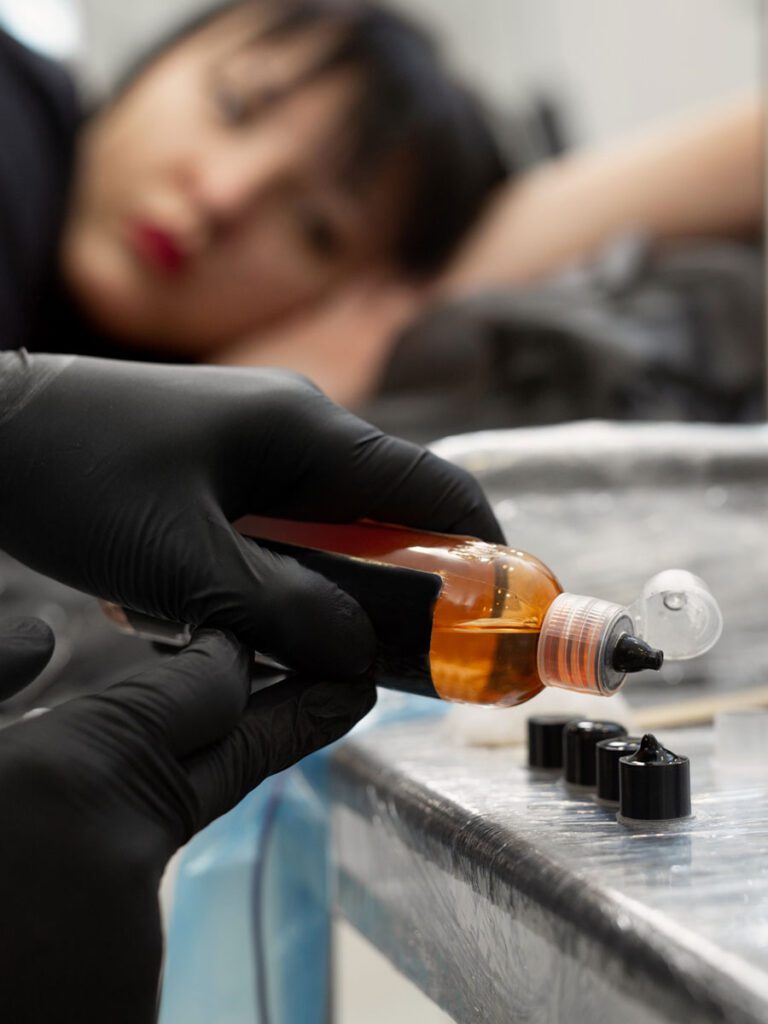
Saturation refers to how densely the ink is packed into the skin. In blackwork, full saturation means the area appears completely opaque black, with no visible skin tone peeking through. But not all black is created equal. Factors like ink brand, needle configuration, and artist technique affect how dark a black can be achieved.
What to Look For
- Ink quality: High-carbon black pigments (e.g., Dynamic, Intenze) tend to heal darker and more stable.
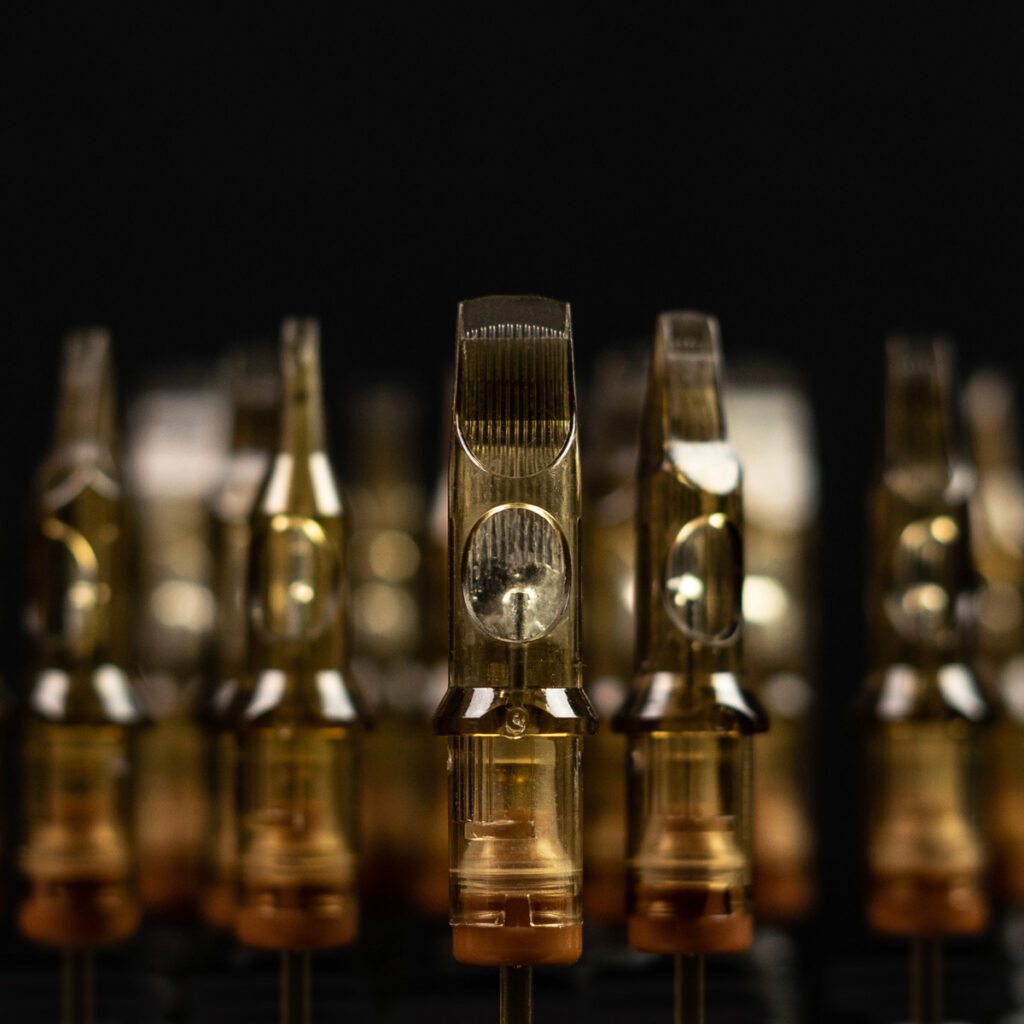
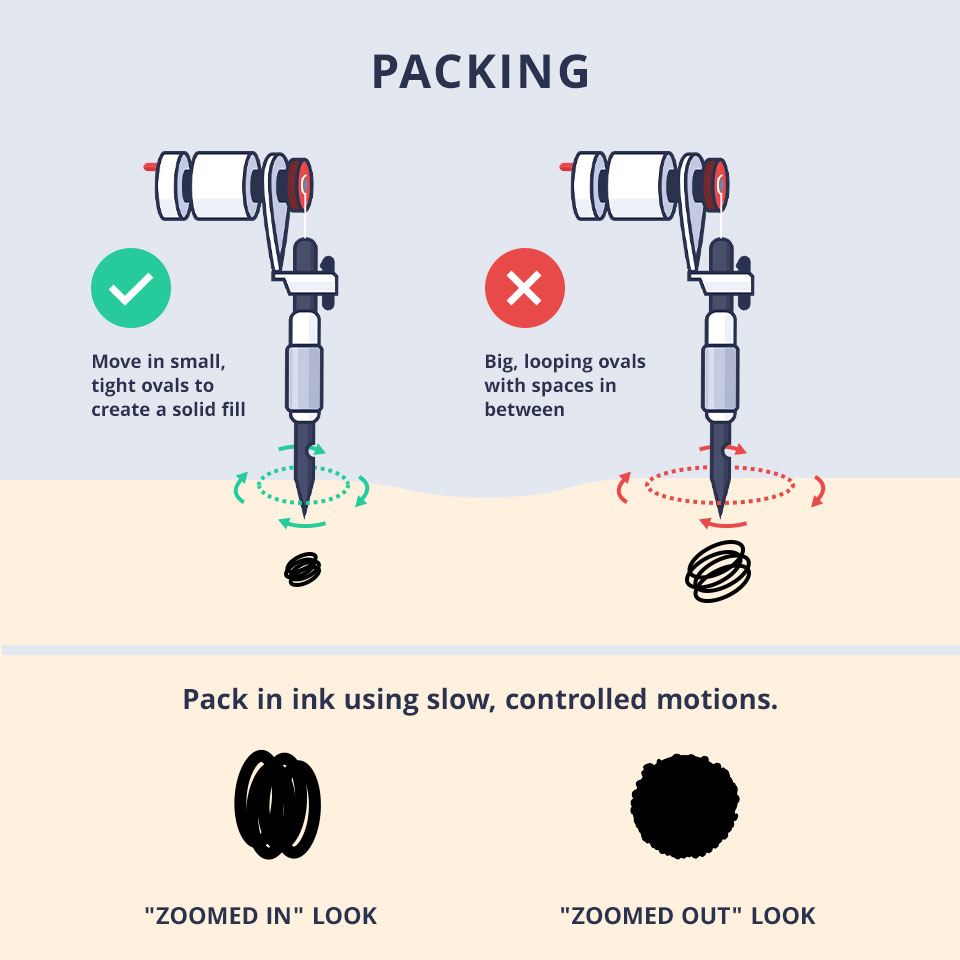
- Needle grouping: Magnum or round shader needles pack ink efficiently; liners can create a stippled effect.
- Passes: Most solid fills require two or three passes, with the final pass often done in a cross-hatch pattern to avoid gaps.
Caveat: Overworking the skin (too many passes) can cause blowouts or scarring, which actually lightens the healed result. A skilled artist knows when to stop.
Negative Space: The Art of Leaving Skin Uninked
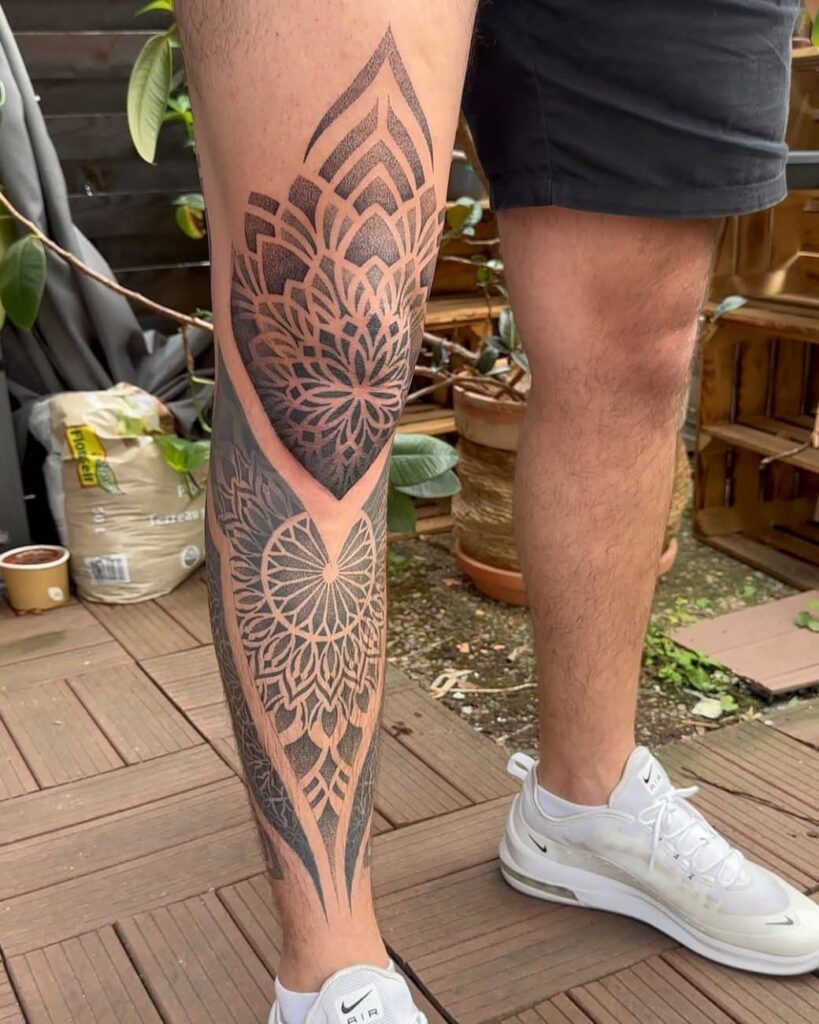
Negative space is the skin left untouched—it becomes the “light” in your design. In blackwork, negative space can form geometric patterns, organic shapes, or subtle highlights. Planning negative space requires understanding how your skin tone and undertones will affect the contrast over time.
Checklist for Negative Space Design
- Is the negative space wide enough to remain readable as the tattoo ages? Thin lines of skin may blur or darken.
- Does the design rely on negative space as the main focal point, or is it secondary to the black fill?
- Has the artist considered how the negative space will interact with body contours and muscle movement?
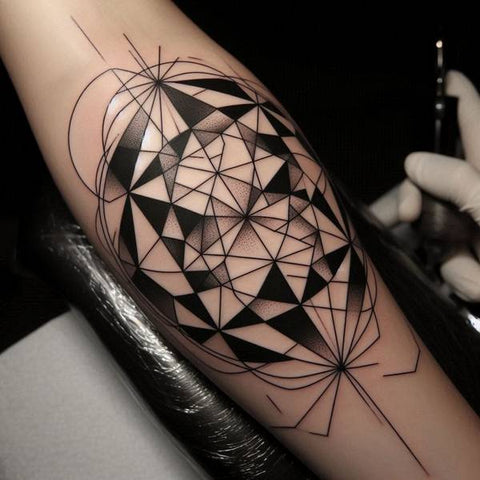
Example: A geometric blackwork sleeve might use negative space triangles to create optical illusions. If those triangles are too narrow, they may fill in during healing. Aim for at least 2–3 mm of clear skin for fine details.
Healed Contrast: What Happens After 6 Months
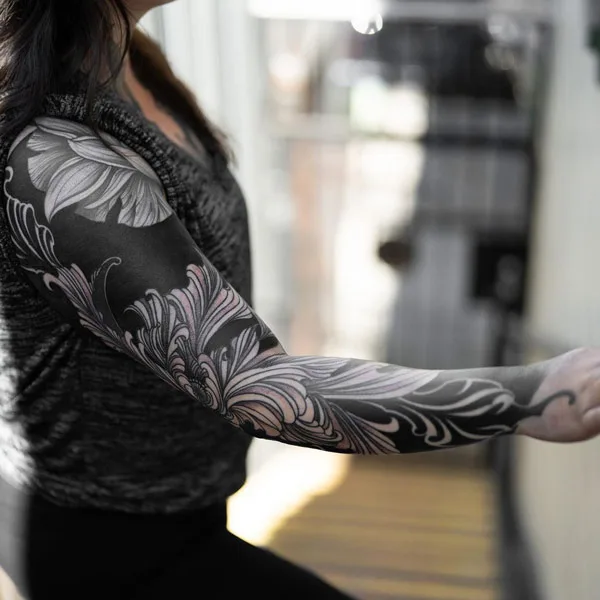
Fresh blackwork looks dramatic—deep black against pink irritated skin. But true contrast reveals itself after full healing, typically 3–6 months. Healed black settles into a slightly lighter, warmer tone (often a charcoal gray). Meanwhile, the negative space may appear lighter as the skin regenerates and the epidermis thins.
Factors That Affect Healed Contrast
- Skin type: Oily skin can cause black to spread slightly, reducing crispness. Dry skin may hold lines better.
- Sun exposure: UV rays darken skin and can make negative space less distinct. Sunscreen is non-negotiable.
- Artist’s technique: Some artists pack black so densely that it heals almost as dark as fresh; others leave a softer finish.
Pro tip: Ask to see healed photos of the artist’s blackwork—especially pieces older than one year. That’s the real indicator of their skill.
Session Planning: How to Break Down Large Blackwork
Large blackwork pieces (full sleeves, chest panels, back pieces) require multiple sessions. A typical approach:
- Outline session: First, the design is drawn and the main lines are tattooed.
- First fill session: The largest black areas are packed. This is often the most painful session due to the amount of shading and saturation.
- Second fill and detail session: Remaining gaps are filled, and negative space details are refined. Touch-ups may be scheduled 4–6 weeks later.
Pain Management
Solid black fill over large areas (like the inner arm or ribs) can be more painful than linework. The sensation is a deep, vibrating burn. Numbing creams (e.g., lidocaine-based) are common but should be approved by your artist beforehand. Session length: 3–5 hours for fill sessions is typical; longer sessions risk diminishing quality.
Decision Guide: Full Saturation vs. Stippled Blackwork
Not all blackwork aims for total opacity. Some styles use dotwork or stippling to create gradients. Here’s when to choose each:
| Full Saturation | Stippled/Dotwork |
|---|---|
| Dense, bold look; hides skin texture | Soft, airy feel; allows skin to breathe |
| Heals darker and more uniform | Heals with subtle texture; may fade faster |
| Higher pain during fill | Less traumatic; multiple passes still needed |
| Best for large areas, backgrounds | Ideal for shading, realism, or decorative patterns |
Hybrid approach: Many artists combine both—using solid fill for deep shadows and stippling for midtones. This creates a dynamic range that ages well.
Aftercare for Blackwork: Preserving the Contrast
Blackwork aftercare follows standard rules but with extra attention to moisture balance. Over-moisturizing can cause the black to look grayish during healing; under-moisturizing leads to scabbing that pulls out ink. Consult our aftercare guide for detailed timelines.
- Wash gently twice daily with unscented soap.
- Apply a thin layer of fragrance-free moisturizer or tattoo balm.
- Avoid direct sun for at least one month; then always use SPF 50+ on the tattoo.
Common Mistakes and How to Avoid Them
- Mistake: Choosing a design with too much negative space that looks busy. Fix: Simplify; let the black do the talking.
- Mistake: Assuming all black ink heals the same. Fix: Research your artist’s ink preferences and ask for healed photos.
- Mistake: Skipping touch-ups. Fix: Budget for a touch-up session 6–12 months after the initial heal.
What is blackwork tattooing?
Blackwork tattooing uses black ink as the main visual language, but it is more than simply making a tattoo dark. Strong blackwork depends on solid fill, negative space, healed contrast, body flow, and a design structure that stays readable after the tattoo settles into the skin.
For SEO and reader clarity, VietnamTattoo treats blackwork as a specialist style: it may include ornamental blackwork, geometric blackwork, illustrative blackwork, dotwork-based texture, or large-scale blackout-inspired composition. The key is whether the black areas and open skin are planned together instead of being added randomly.
FAQ
How long does a blackwork tattoo take to heal completely?
Surface healing takes 2–4 weeks, but deep healing (where the ink settles) takes 3–6 months. Contrast continues to develop during this time.
Can blackwork be covered up later if I change my mind?
Yes, but it’s difficult. Dense black may require multiple laser sessions before a cover-up. Plan carefully—blackwork is a commitment.
Does blackwork fade faster than color?
No, black pigment is generally more stable than color pigments. However, poor saturation or sun exposure can cause fading.
What’s the best placement for blackwork to show contrast?
Areas with less sun exposure (inner arm, torso) maintain contrast longer. High-friction areas (hands, feet) may blur faster.
Conclusion
Blackwork is a study in extremes: the darkest black against untouched skin. By understanding saturation, respecting negative space, and planning for healed contrast, you can ensure your tattoo remains a powerful statement for decades. Browse our magazine for more style deep dives, or find a verified blackwork specialist near you.
Keep exploring Vietnam Tattoo
- Browse Ranking for notable studios by city, style, and intent.
- Search studios by city, verification level, and contact channel.
- View verified profiles to check approved and verified entries.
- Request a consultation if you need help choosing style, placement, or a suitable studio.
Blackwork tattoo FAQ for readers comparing styles
Blackwork tattoo is not simply “a tattoo in black ink”. In professional use, it describes designs where black ink, negative space, density, texture and healed contrast carry the visual structure. If you are comparing Blackwork with Fine line, Geometric tattoo, Dotwork or Realism, start by checking how much of the design depends on solid fill, how much skin is intentionally left open, and whether the composition will still read clearly after healing.
Is Blackwork good for a first tattoo?
It can be, especially when the design has a clear silhouette and the placement is not too technically difficult. For a first tattoo, avoid oversized blackout concepts until you have discussed pain tolerance, healing, session length and future expansion with a verified studio.
Does Blackwork age better than Fine line?
Bold black shapes and controlled negative space usually remain readable longer than very tiny detail. Fine line can age well too, but it needs careful spacing and a realistic size. If longevity is the priority, compare healed work, not only fresh portfolio photos.
What should I ask before booking?
Ask whether the studio has healed Blackwork examples, how they manage large black saturation, what needle groupings they use for packing, and how they plan breaks during long sessions. You can compare options through the Vietnam Tattoo ranking map and check Verified Studios before booking.
How do I estimate the price?
Blackwork price depends on size, density, body placement and session time. If you already have a reference image, use the AI tattoo price estimator to get a first range before asking a studio for a final quote.
What is blackwork tattooing?
Blackwork tattooing uses black ink as the main visual system: solid fill, negative space, pattern, ornamental flow, graphic contrast and healed readability. A strong blackwork tattoo is not just dark; it is designed around skin breaks, silhouette, density and long-term structure.
When blackwork works best
- Large graphic pieces that need strong contrast.
- Ornamental, tribal-inspired, dark illustrative or abstract compositions.
- Cover-oriented planning where readable black shapes matter.
Compare it with other styles in the Tattoo Styles Guide, or estimate budget with the AI tattoo price estimator.
Content hub
Tattoo styles pillar
This article belongs to the styles cluster. Open the pillar page to compare Irezumi, Old School, Realistic, Blackwork, Fine line, Geometric and Watercolor.
Related reading
Continue reading
Lettering Tattoo Healed Portfolio Review: Kerning, Baseline & Placement Distortion
A specialist healed-portfolio review guide for Lettering tattoos, focused on kerning, baseline control and placement distortion. Includes concrete…
Lettering Tattoo Placement: A Specialist Guide to Kerning, Baseline Control, and Body-Flow Distortion
A specialist guide to lettering tattoos focusing on kerning, baseline control, and placement distortion. Learn how to plan…
Lettering Tattoo Design Consultation Checklist: Kerning, Baselines, and Placement Distortion
A specialist consultation checklist for lettering tattoos covering kerning, baseline control, and placement distortion. Includes practical tests, booking…