Blackwork Tattoo Ideas & Meaning Guide: Motifs, Contrast & Healed Results
What Is Blackwork Tattooing?
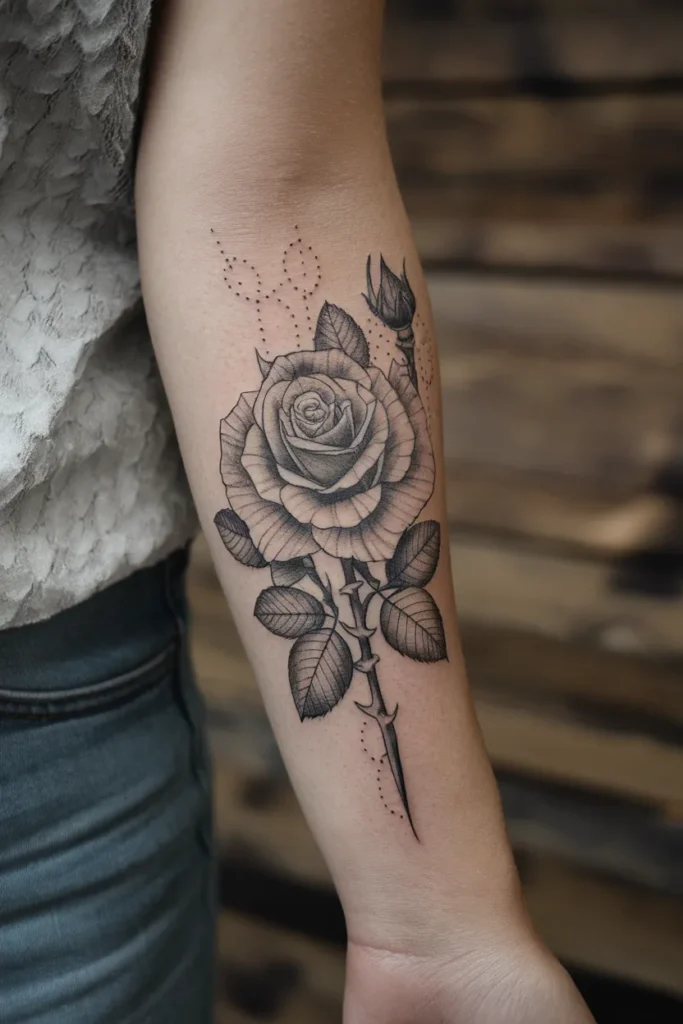
Blackwork refers to tattoos executed primarily in black ink, using techniques like solid fills, dotwork, linework, and negative space. Unlike traditional black-and-grey shading, blackwork relies on high contrast and bold shapes. It draws from tribal, illustrative, and geometric styles.
Common Motifs and Their Symbolism

Geometric Patterns
Sacred geometry, mandalas, and repeating shapes represent order, infinity, and balance. They work well on large areas like the back or chest.
Floral and Botanical
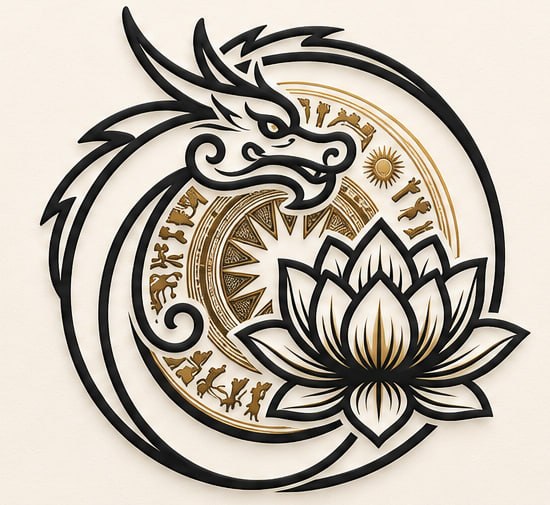
Blackwork florals emphasize silhouette and texture. Roses, lotuses, and vines symbolize growth, beauty, and resilience. Negative space petals create depth.
Animal and Mythological
Wolves, ravens, dragons, and serpents carry meanings of strength, transformation, or protection. Solid black silhouettes or detailed dotwork can depict fur or scales.
Abstract and Illustrative
Dark, flowing shapes, splatter effects, or surreal imagery evoke emotion without literal representation. These pieces rely on composition and contrast.
Negative Space and Contrast
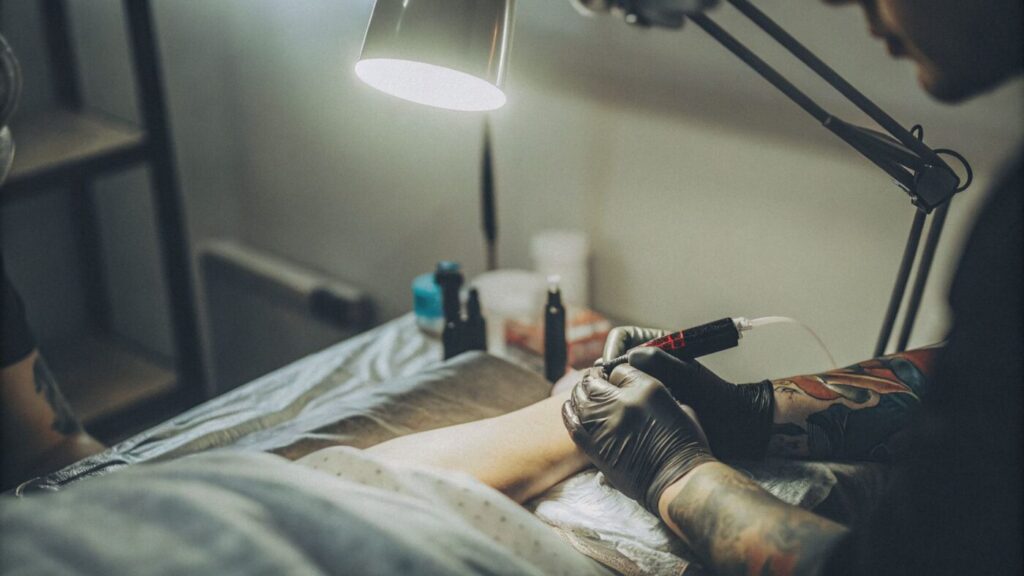
Negative space is the skin left uninked. In blackwork, it defines shapes and adds dimension. For example, a black solid area with a crescent cutout creates a moon silhouette. High contrast—pure black next to bare skin—ensures readability from a distance and over time.
Scale and Placement Considerations
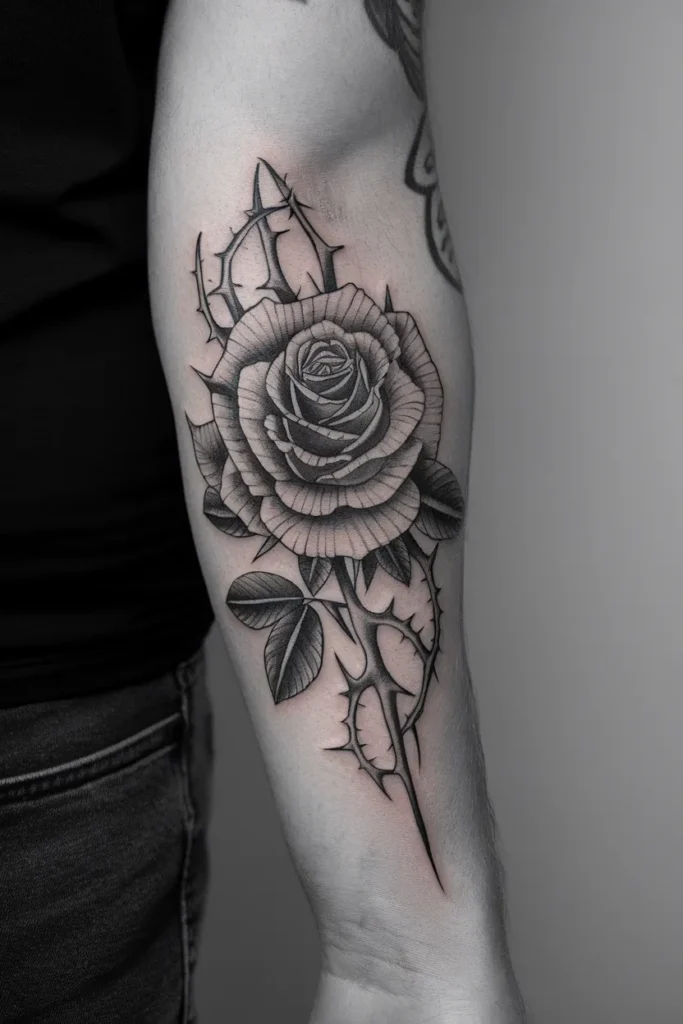
Blackwork thrives on large, open areas: thighs, forearms, torsos, and backs. Small blackwork can muddle details; bold lines and simple shapes work better in compact spaces. Always consider how the design will flow with body contours.
Healed Readability: What to Expect
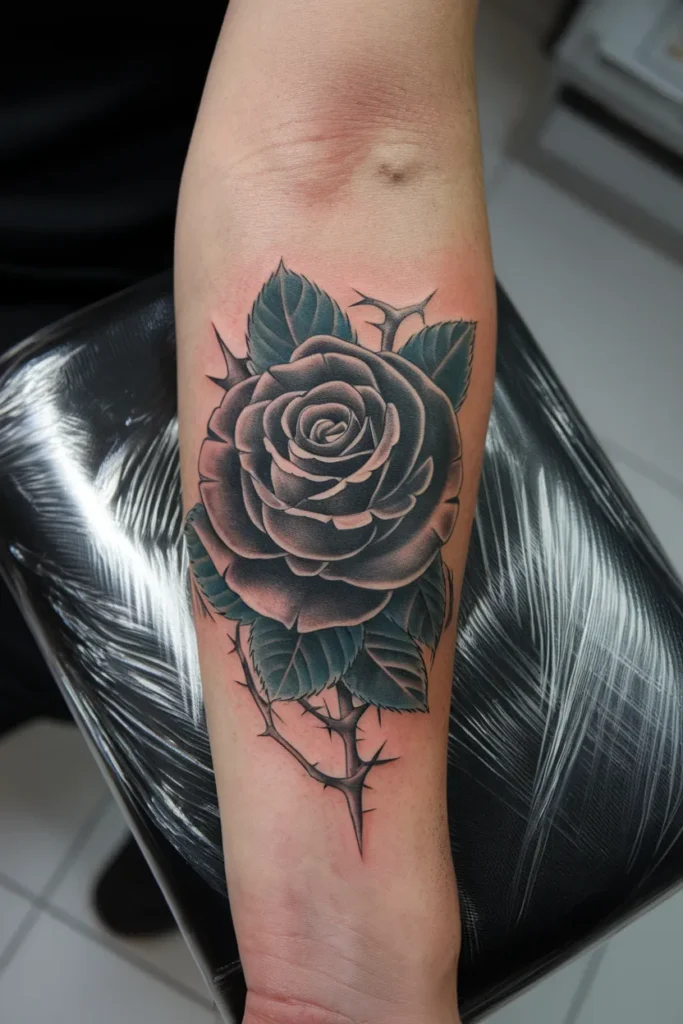
Black ink spreads slightly as it heals. Fine lines may blur, and solid fills may soften. To maintain crispness, artists use tight line spacing and leave adequate skin breaks. A well-healed blackwork piece should remain legible from 3–4 feet away.
Consultation Checklist for Clients
- Bring reference images of blackwork, not color or greywash.
- Discuss size and placement—show the artist the area.
- Ask about healing: blackwork often requires more touch-ups than color.
- Review the artist’s healed blackwork portfolio.
- Confirm aftercare: sun exposure can fade black ink faster.
FAQ
Does blackwork hurt more than color tattoos?
Pain depends on placement, not ink color. Solid fills on bony areas may feel more intense, but blackwork itself isn’t inherently more painful.
How long does blackwork take to heal?
Initial healing takes 2–3 weeks; full settling of ink can take 2–3 months. Large black areas may peel and feel tight.
Can blackwork be covered up later?
Yes, but dense black is harder to cover. Laser removal or several sessions of color may be needed. Plan for permanence.
Is blackwork suitable for all skin tones?
Yes. Black ink shows well on all skin tones. However, contrast may appear lower on very dark skin; artists adjust by using deeper blacks and wider negative spaces.
Read more
- Magazine for more tattoo knowledge, style guides and aftercare notes.
- Request a consultation if you need help with style, placement or preparation.
- Marketplace for equipment, supplies and learning resources.
Content hub
Styles and inspiration hub
Explore more style guides, symbol meanings, composition ideas and placement notes.
View related hubRelated reading
Continue reading
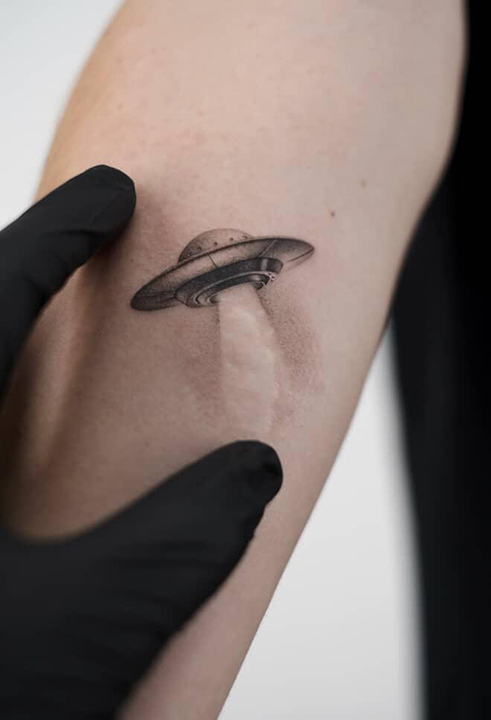
Micro Realism Tattoo: Reference Scale, Skin Texture & Healed Detail – The Expert Guide
Expert guide to micro realism tattoo: reference quality, scale limits, skin texture, contrast, healed detail, and portfolio checks.…
Abstract Tattoo vs Graphic Tattoo: Composition Contrast & Readable Shapes
Explore the key differences between Abstract Tattoo and Graphic Tattoo: composition contrast, readable shapes, silhouette, skin placement, and…
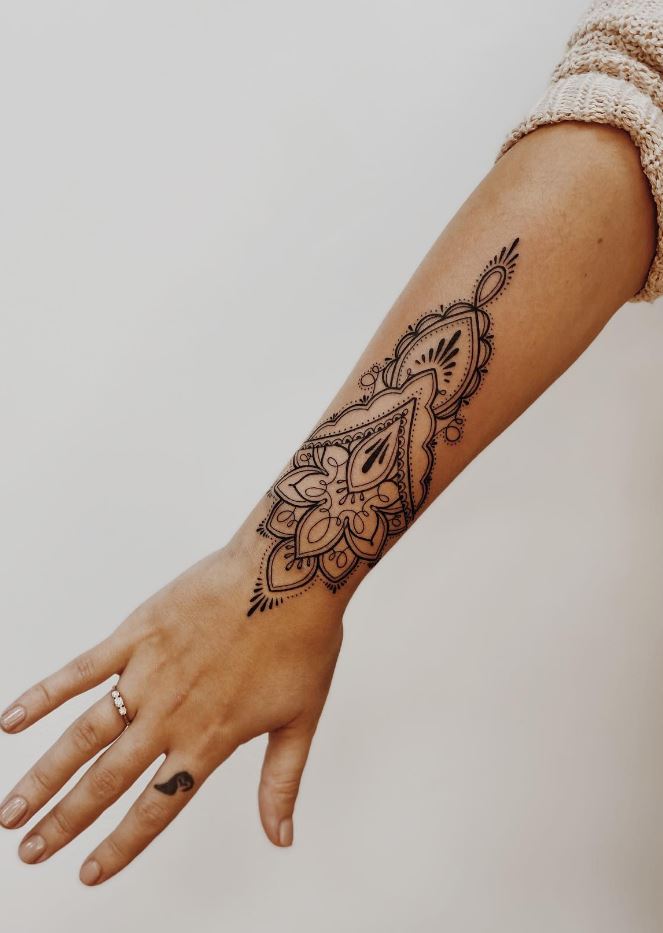
Ornamental vs Mandala Tattoos: Symmetry, Rhythm & Body Placement Guide
Expert guide to ornamental and mandala tattoos: symmetry, pattern rhythm, negative space, stencil alignment, body flow, sizing, and…