The Ultimate Pre-Tattoo Checklist: What to Do Before Getting Inked
Introduction
Getting a tattoo is a serious commitment. Beyond choosing the right design and artist, proper preparation ensures your tattoo heals beautifully and your experience is safe and comfortable. This guide covers every essential step—from sleep and diet to skin prep and pain planning—so you walk into your appointment confident and ready.
Sleep Well the Night Before

A well-rested body handles pain better and supports faster healing. Aim for 7–9 hours of quality sleep. Fatigue lowers your pain threshold and can make you dizzy or nauseous during the session. Caveat: Avoid sleeping pills or heavy sedatives that may interfere with your body’s natural response.
Eat a Balanced Meal
Your body needs energy to endure the stress of tattooing. Eat a substantial meal 1–2 hours before your appointment—something with protein, complex carbs, and healthy fats. Examples: oatmeal with nuts, a chicken sandwich, or a smoothie with banana and peanut butter. Avoid: greasy, spicy, or overly sugary foods that can upset your stomach.
Hydrate, but Don’t Overdo It
Drink plenty of water in the 24 hours leading up to your session. Proper hydration improves skin elasticity and helps your body manage pain. However, avoid chugging large amounts right before—it will just send you to the bathroom. Sip steadily throughout the day.
Alcohol: Skip It for 24–48 Hours
Alcohol thins your blood, increases bleeding, and dehydrates you—all of which make tattooing harder and can ruin the final result. It also impairs judgment. Stop drinking at least 24 hours before, and ideally 48 hours. Tip: If you had a heavy night, reschedule your appointment.
Medication Caution: What to Avoid
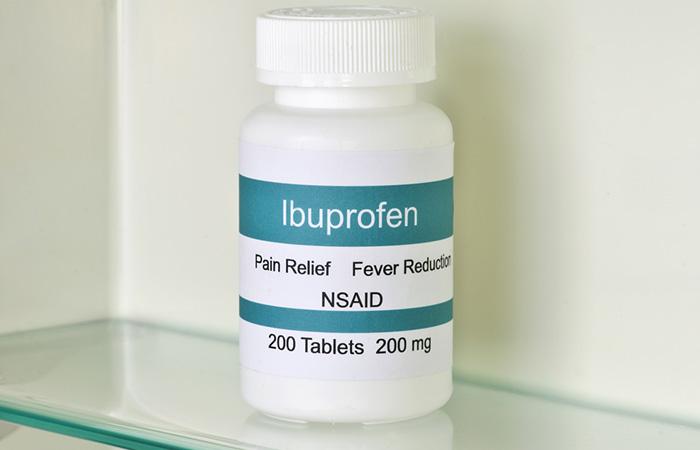
Some medications interfere with tattooing. Avoid aspirin, ibuprofen, naproxen, and other blood thinners for 24 hours prior (unless prescribed by your doctor—never stop prescribed meds without consulting them). Also avoid topical numbing creams unless approved by your artist. Always disclose any prescription or OTC medications to your artist.
Skin Prep: Clean, Moisturized, and Unbroken
In the days before your tattoo, keep your skin clean and well-moisturized. Exfoliate gently 2–3 days prior, but not the day of. Avoid sunburn, cuts, rashes, or any skin irritation on the area. Do not apply heavy lotions or oils on appointment day—just clean, dry skin.
Reference Prep: Know Your Design
Bring clear, high-resolution reference images. If you’ve worked with your artist on a custom design, confirm the final artwork and placement ahead of time. Print a copy or have it on your phone. Check: size, orientation, and any text spelling. Be open to your artist’s professional adjustments.
Consent and Paperwork
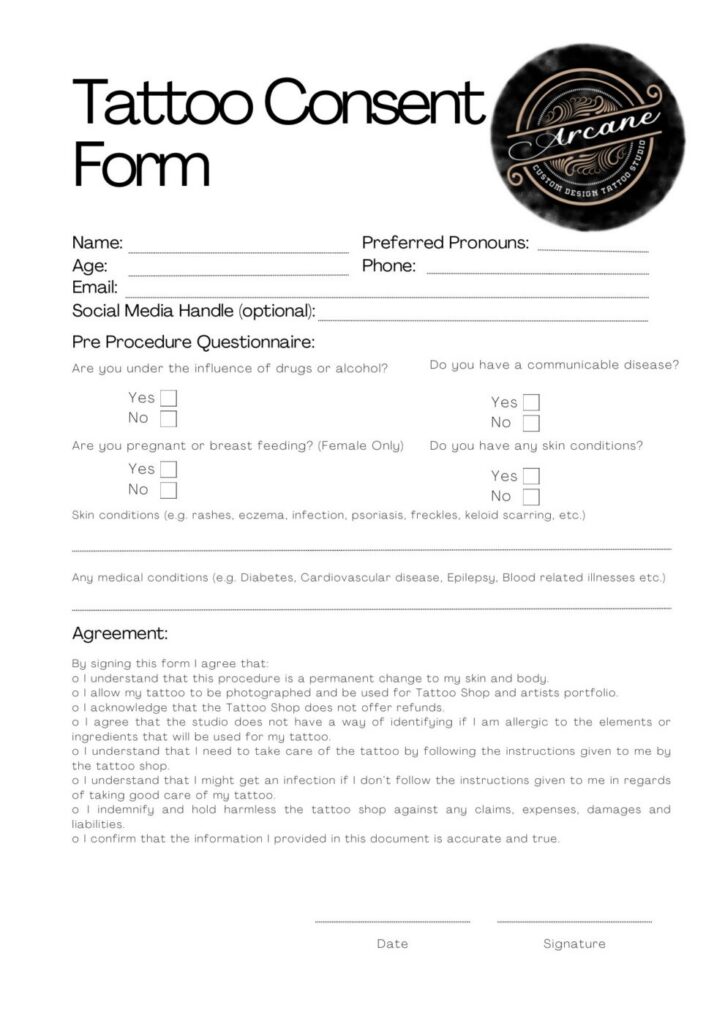
Reputable studios require you to sign a consent form. Read it carefully—it should cover health disclosures, aftercare instructions, and a release of liability. If you’re under 18, a parent or guardian must accompany you and sign. Don’t skip this step; it protects both you and the artist.
Budget: Plan Beyond the Base Price
Tattoo costs include the artist’s time, design fees, and aftercare products. Ask for a written estimate and clarify if touch-ups are included. Budget extra for tips (15–20% is standard), proper aftercare supplies, and possible follow-up visits. Avoid bargain hunting—quality work costs money.
Pain Planning: Manage Expectations
Pain varies by placement, size, and your personal tolerance. Common painful spots: ribs, feet, hands, and spine. Less painful: outer arm, thigh, and calf. Communicate with your artist—they can suggest breaks or position changes. Caveat: Avoid numbing sprays that can alter skin texture; some artists offer safe alternatives.
Appointment Etiquette
Arrive on time, showered, and wearing comfortable clothes that allow easy access to the tattoo area. Silence your phone. Don’t bring a crowd—limit guests to one. Eat beforehand, use the restroom before you start, and be respectful of the artist’s time and space. If you’re feeling unwell, reschedule.
FAQ
Can I drink alcohol the night before a tattoo?
No. Alcohol thins your blood and increases bleeding, which can affect the tattoo quality. Avoid alcohol for at least 24–48 hours before your session.
Should I shave the area before my appointment?
No. The artist will shave the area professionally to avoid irritation and ingrown hairs. Shaving yourself can cause razor burn or nicks.
What should I wear to my tattoo appointment?
Wear loose, comfortable clothing that allows the artist easy access to the area. For example, shorts for a leg tattoo or a tank top for an arm tattoo.
How long does a tattoo session usually last?
It depends on the size and complexity. Small tattoos may take 30 minutes to an hour; larger pieces can take several hours or multiple sessions. Your artist will give you a time estimate.
Read more
- Magazine for more tattoo knowledge, style guides and aftercare notes.
- Request a consultation if you need help with style, placement or preparation.
- Marketplace for equipment, supplies and learning resources.
Content hub
Tattoo aftercare hub
Read more guides on hygiene, healing stages, moisturizing and problem signs.
View related hubRelated reading
Continue reading
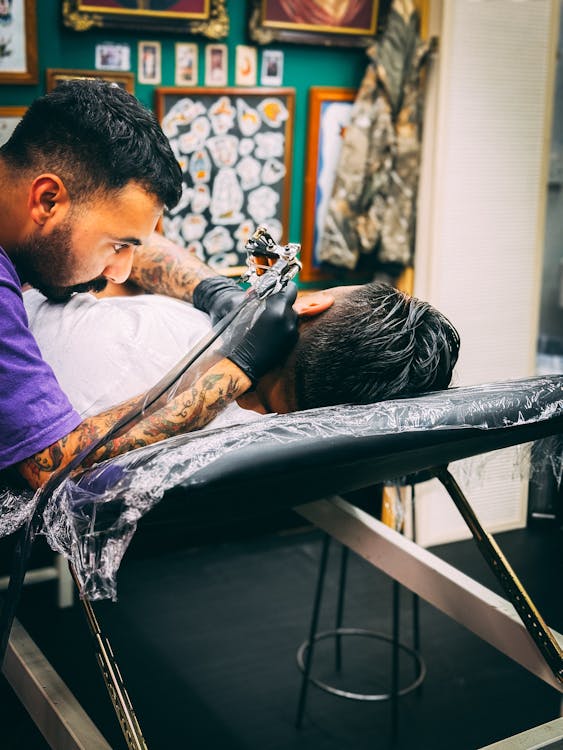
The Ultimate Pre-Tattoo Checklist: What to Do Before Getting Inked
Expert pre-tattoo checklist covering sleep, food, hydration, alcohol, skin prep, reference prep, consent, budget, pain planning, and etiquette…

The Definitive Pre-Tattoo Checklist: What to Do Before Getting Inked
A comprehensive pre-tattoo checklist covering sleep, nutrition, hydration, alcohol, medications, skin prep, references, consent, budget, pain planning, and…
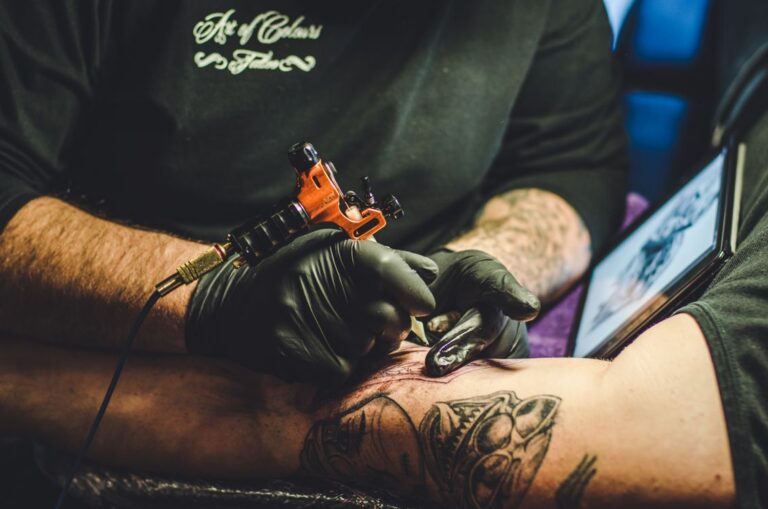
The Complete Tattoo Aftercare Guide: Expert Steps for Healing
Expert guide to tattoo aftercare: first hours, cleansing, peeling, moisturizing, bathing, clothing, sleep, exercise, warning signs, and when…