


The Definitive Pre-Tattoo Checklist: What to Do Before Getting Inked
Why Preparation Matters More Than You Think

A great tattoo isn’t just about the artist’s skill—it’s also about how well you prepare. Your body is the canvas, and its condition directly affects the outcome, pain level, and healing process. This guide covers every aspect of pre-tattoo preparation, from sleep and nutrition to consent and budget. Follow this checklist to ensure a smooth, safe, and satisfying experience.
Sleep: The Foundation of a Good Session
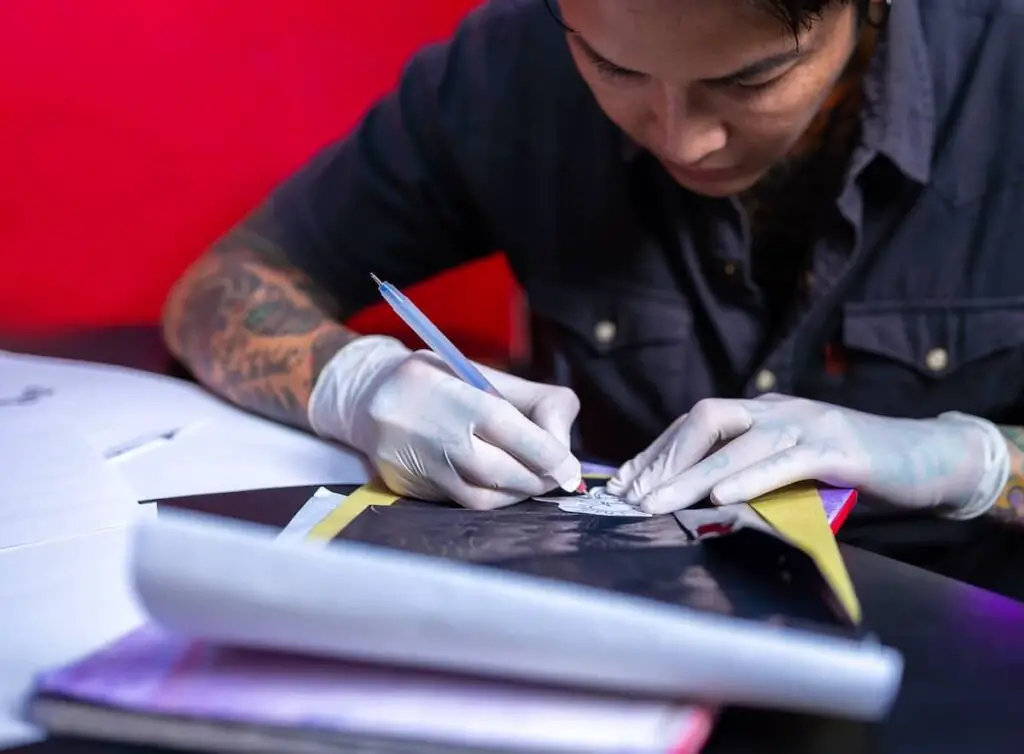
Being well-rested is non-negotiable. Aim for at least 7–8 hours of quality sleep the night before. Fatigue lowers your pain threshold, makes you more anxious, and can impair your immune system, slowing healing. A tired body also has reduced blood circulation, which can affect how well the ink settles.
Checklist:
- Go to bed early the night before.
- Avoid caffeine or alcohol close to bedtime.
- If you have trouble sleeping, try relaxation techniques.
Food & Hydration: Fuel Your Body
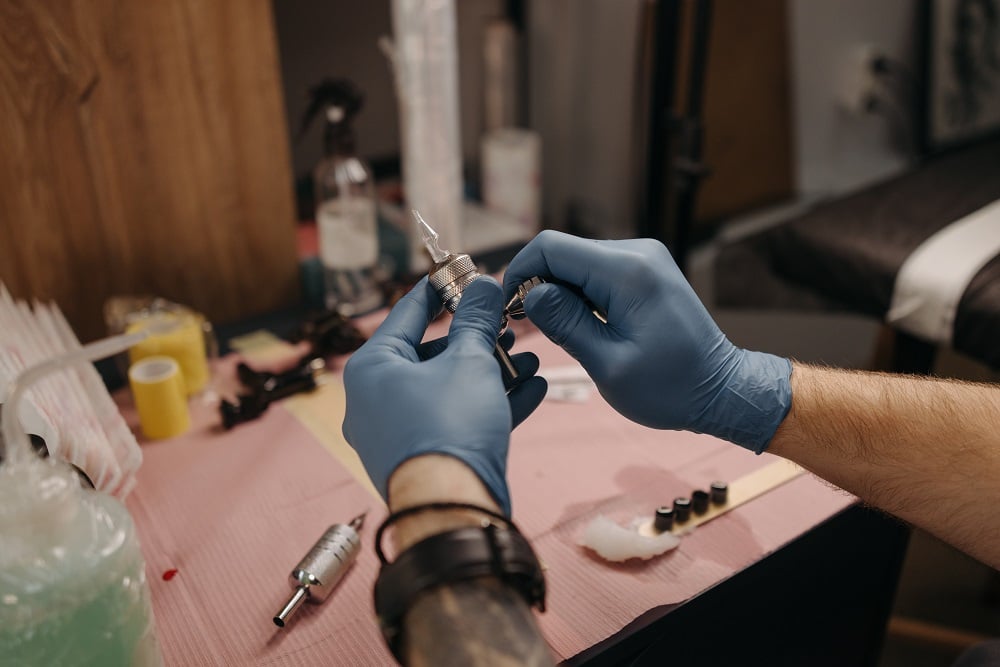
Eat a balanced meal 1–2 hours before your appointment. Include complex carbs, lean protein, and healthy fats to stabilize blood sugar and maintain energy. Avoid heavy, greasy foods that can cause nausea. Stay hydrated—drink water throughout the day, but don’t overdo it right before the session to avoid constant bathroom breaks.
Checklist:
- Eat a meal with protein and complex carbs (e.g., oatmeal with nuts, chicken and rice).
- Drink water consistently; aim for 8 glasses throughout the day.
- Avoid sugary drinks and excessive caffeine.
Alcohol & Medications: What to Avoid
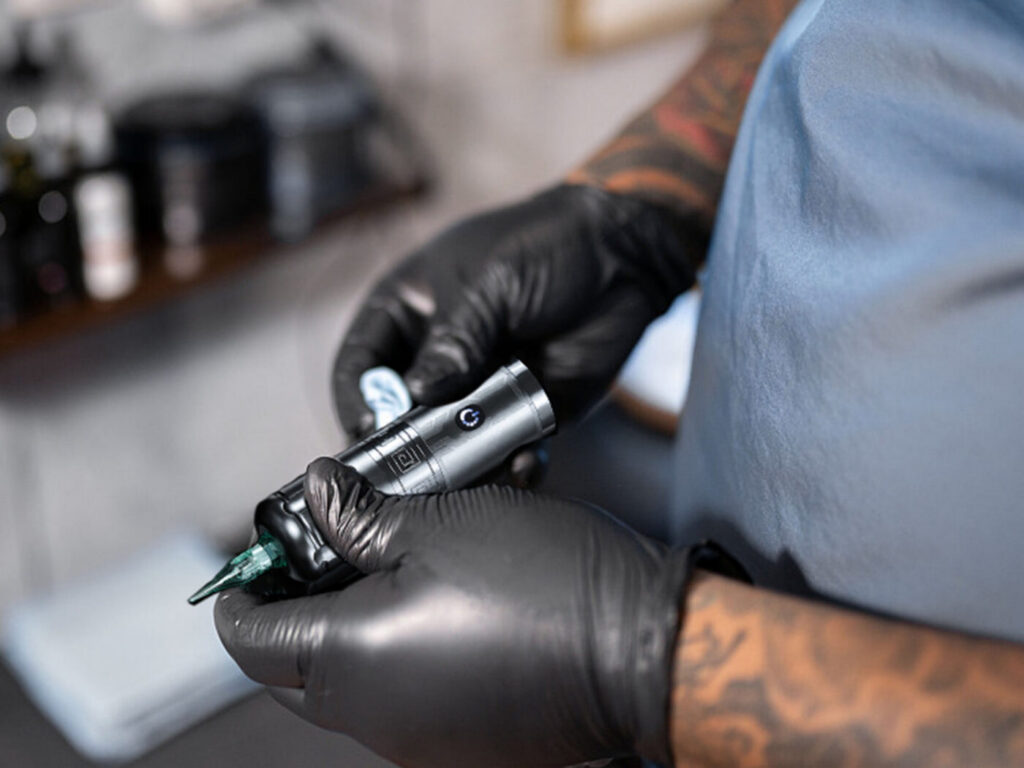
Alcohol thins the blood, increases bleeding, and dehydrates you. Avoid it for at least 24 hours before your session. Similarly, avoid blood-thinning medications like aspirin, ibuprofen, and certain supplements (e.g., fish oil, vitamin E) unless prescribed by a doctor. If you take prescription medications, consult your doctor and artist beforehand.
Checklist:
- No alcohol for 24 hours prior.
- Avoid NSAIDs and blood thinners (check with your doctor).
- Inform your artist of all medications and supplements.
Caveat: Never stop prescribed medication without medical advice. Some conditions (e.g., diabetes, heart disease) require special precautions.
Skin Preparation: Ready Your Canvas
Healthy skin takes ink better and heals faster. Moisturize daily for at least a week before, but avoid heavy lotions on the day of the tattoo. Exfoliate gently 2–3 days before if the area is prone to dryness. Do not shave yourself—let the artist do it to avoid razor bumps and nicks.
Checklist:
- Moisturize daily for a week prior.
- Exfoliate gently 2–3 days before (if needed).
- On the day, wash the area with mild soap and pat dry.
- Avoid sunburn, tanning, and fake tan products on the area.
Reference Preparation: Bring Clear Visuals
Your artist needs a clear idea of what you want. Gather reference images that show the style, placement, size, and color palette. Be specific about elements you like and dislike. Avoid bringing only one image—a collage of 3–5 references works best. Also, discuss how the design will age and fit your body’s contours.
Checklist:
- Collect 3–5 reference images (style, composition, color).
- Note what you like and dislike about each.
- Discuss placement and size with your artist beforehand.
Consent & Paperwork: Protect Yourself
Always fill out a consent form that includes health disclosures. Be honest about medical conditions, allergies, and medications. Minors need a parent or guardian present. Review the studio’s policies on deposits, cancellations, and touch-ups. Never get tattooed under the influence of drugs or alcohol—consent must be clear and sober.
Checklist:
- Complete the consent form truthfully.
- Provide ID if required (age verification).
- Understand the studio’s policies.
Budget: Know the True Cost
Quality tattoos aren’t cheap. Expect to pay for the artist’s time, skill, and materials. Ask for a quote upfront, including any deposit. Factor in tip (15–20% is standard), aftercare products, and potential touch-ups. Avoid bargaining—good artists charge what they’re worth.
Checklist:
- Get a written quote.
- Set aside extra for tip and aftercare.
- Plan for possible touch-up costs.
Pain Planning: Manage Expectations
Pain varies by location, size, and individual tolerance. Discuss pain management with your artist. Numbing creams are available but must be approved by the artist. For long sessions, bring snacks and water. Practice deep breathing or bring headphones for distraction.
Checklist:
- Ask about numbing options (if any).
- Bring snacks and water for sessions over 2 hours.
- Plan a distraction (music, podcast).
Appointment Etiquette: Be a Great Client
Arrive on time, shower beforehand, and wear comfortable clothes that expose the area easily. Communicate clearly about your design and any concerns. Don’t bring a large entourage—most studios limit guests. Turn off your phone or keep it on silent. Respect the artist’s time and workspace.
Checklist:
- Arrive 10–15 minutes early.
- Shower and wear clean, loose clothing.
- Limit guests to 1 person (or check studio policy).
- Silence your phone.
FAQ
Can I drink coffee before a tattoo?
Caffeine is a stimulant and mild diuretic. It can increase anxiety and make you jittery. It’s best to limit or avoid coffee on the day of your session. If you need caffeine, have a small amount at least 2 hours before.
Should I shave the area before my appointment?
No. Let your artist shave the area to avoid razor bumps, nicks, or ingrown hairs. They use professional-grade razors and techniques.
What if I’m on antibiotics?
Antibiotics can affect your immune system and healing. Consult your doctor and inform your artist. Some antibiotics increase sun sensitivity or thin the blood. You may need to postpone.
How do I know if a studio is hygienic?
Check for autoclave sterilization, single-use needles, gloves, and clean surfaces. Look for a valid health department permit. Read reviews and visit the studio beforehand. Trust your instincts—if it doesn’t look clean, leave.
Read more
- Magazine for more tattoo knowledge, style guides and aftercare notes.
- Request a consultation if you need help with style, placement or preparation.
- Marketplace for equipment, supplies and learning resources.
Content hub
Tattoo aftercare hub
Read more guides on hygiene, healing stages, moisturizing and problem signs.
View related hubRelated reading
Continue reading
The Ultimate Pre-Tattoo Checklist: What to Do Before Getting Inked
Expert pre-tattoo checklist covering sleep, food, hydration, alcohol, skin prep, reference prep, consent, budget, pain planning, and etiquette…
The Complete Tattoo Aftercare Guide: Expert Steps for Healing
Expert guide to tattoo aftercare: first hours, cleansing, peeling, moisturizing, bathing, clothing, sleep, exercise, warning signs, and when…
The Complete Tattoo Aftercare Guide: Expert Advice for Healing
Expert tattoo aftercare guide covering first hours, peeling, moisturizing, bathing, warning signs, and when to seek help. Practical…