
The Tattoo Artist’s Guide to Tracking Conventions & Guest Spots: Deadlines, Booths, Portfolios & Strategy
Introduction: Why Conventions and Guest Spots Matter for Your Career
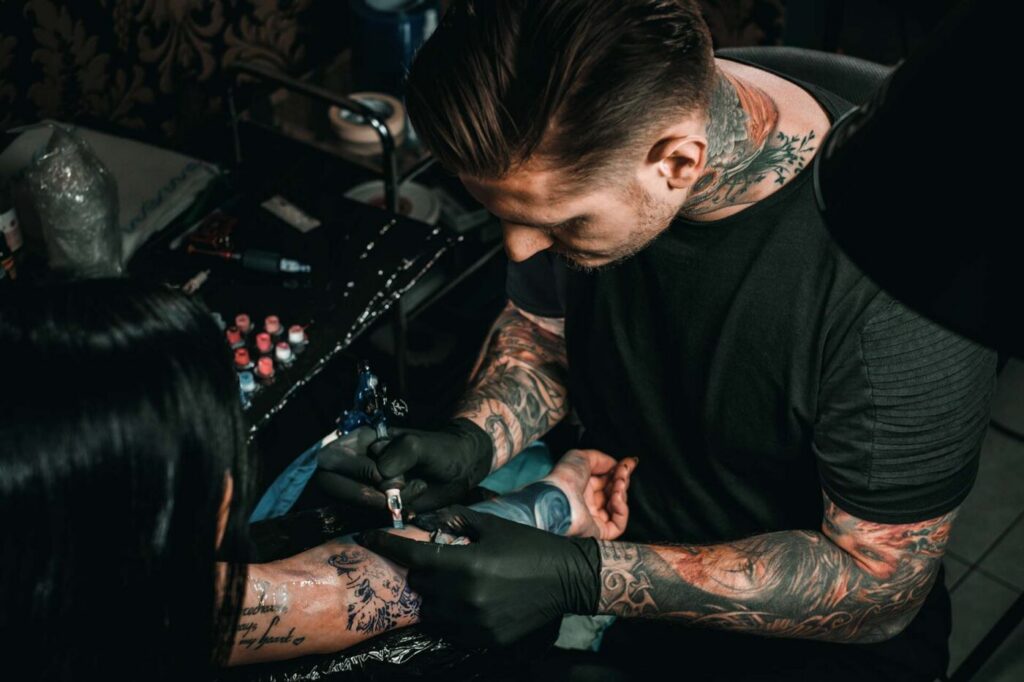
For tattoo artists, conventions and guest spots are not just travel opportunities—they are career accelerators. A well-chosen convention can put your work in front of thousands of potential clients, connect you with peers, and open doors to international guest spots. But without a systematic tracking method, you risk missing deadlines, booth availability, or portfolio submission windows. This guide provides concrete checks, specialist vocabulary explained plainly, and step-by-step strategies to master the art of event tracking.
1. Know Your Event Landscape: Types of Tattoo Conventions
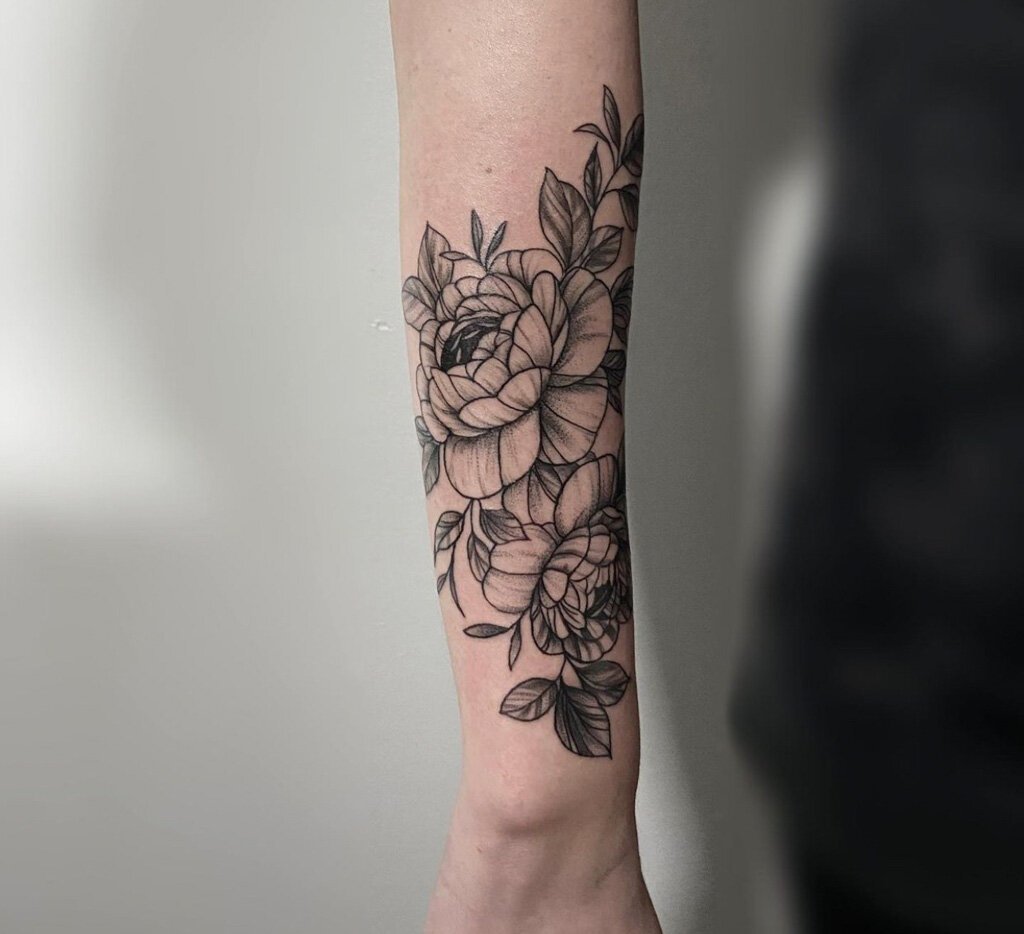
Not all conventions are created equal. Understanding the difference helps you prioritize.
Major International Conventions
Events like the London Tattoo Convention, Berlin Tattoo Convention, or the International Tattoo Convention in New York attract top artists and thousands of visitors. They often have early-bird deadlines 6–12 months ahead. Booth fees can range from $500 to $3,000, depending on size and location.
Regional and Niche Conventions
Smaller events like the Vietnam Tattoo Expo or the Bangkok Tattoo Festival offer lower costs and more intimate networking. They are ideal for building a local following or testing new styles.
Guest Spot Opportunities
Guest spots are temporary residencies at other studios. They can be arranged directly or through convention connections. Tracking studio calendars, artist availability, and portfolio requirements is essential.
2. Build Your Tracking System: Tools and Templates
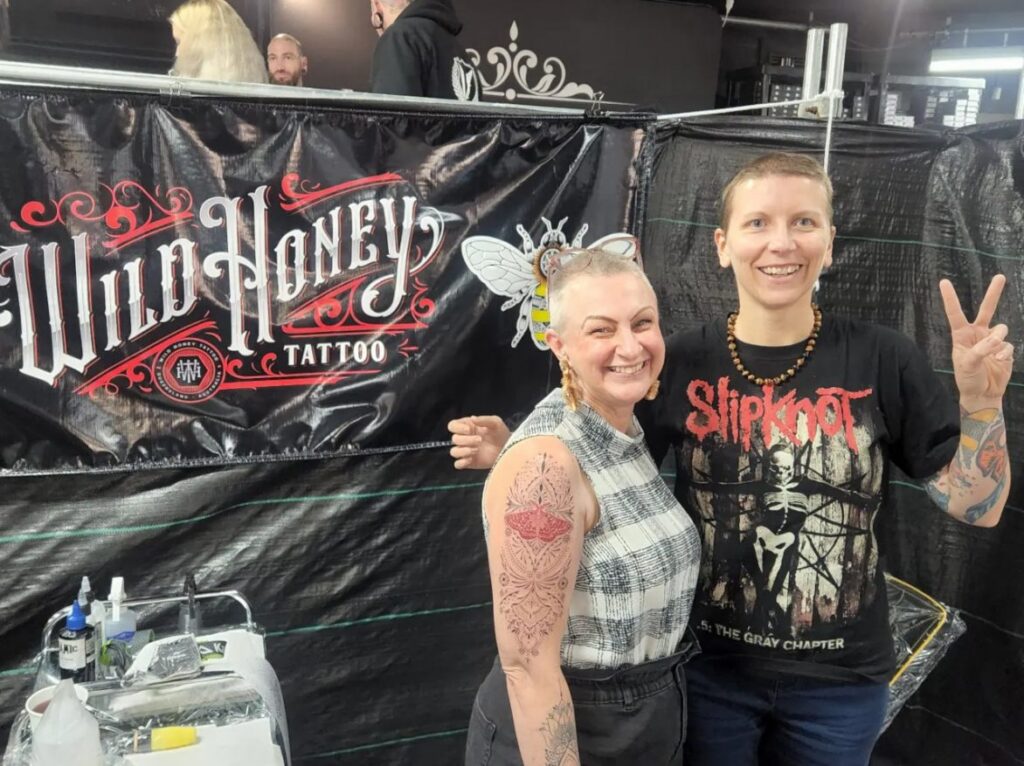
A spreadsheet or project management tool is your best friend. Here’s what to track:
- Event name and location
- Date of event
- Booth application deadline
- Portfolio submission deadline
- Booth fee and inclusions (table, chairs, electricity)
- Number of artists expected
- Social media links and official website
- Past guest artists for reference
Use Google Sheets with conditional formatting to highlight approaching deadlines. Set reminders two weeks before each due date.
3. Decoding Booth Applications: What Organizers Look For
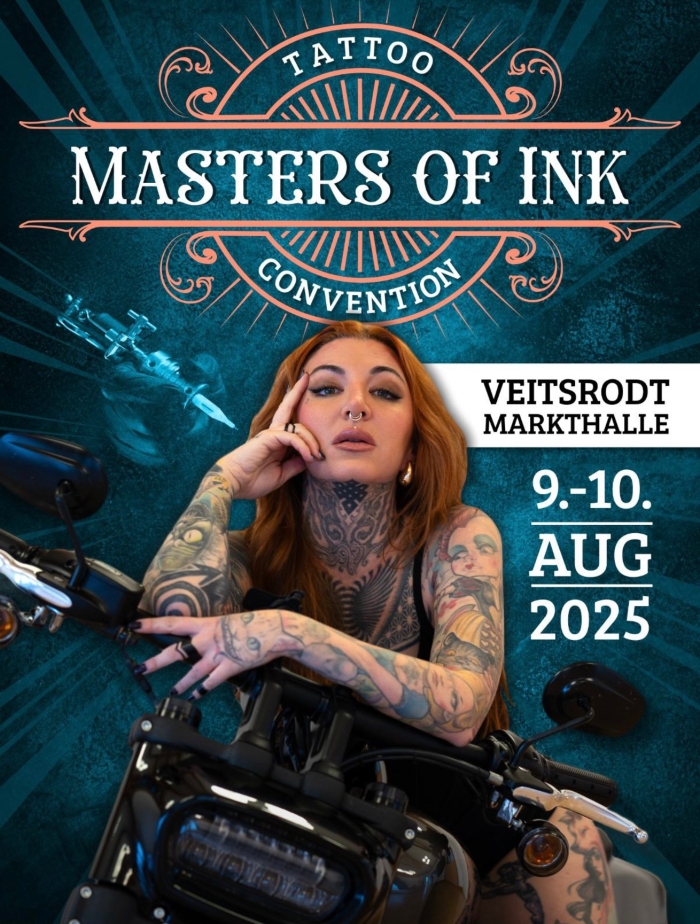
Booth applications are competitive. Organizers review portfolios, social media presence, and professionalism. Key elements:
- High-quality portfolio images (at least 10–15 healed and fresh pieces)
- Consistent style (showcase your specialty, e.g., Geometric tattoo, Fine line, Blackwork)
- Professional bio (include years of experience, notable awards, and guest spot history)
- Social media links (Instagram, Facebook, TikTok with engagement metrics)
Pro tip: Many conventions use a jury system. If rejected, don’t take it personally—apply again next year with an improved portfolio.
4. Portfolio Preparation: Show Your Best Work
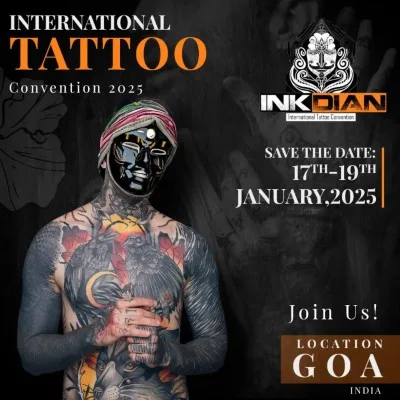
Your portfolio is your ticket. Follow these steps:
Curate for the Event
Select pieces that align with the convention’s style preference. For example, if it’s a traditional convention, highlight your Japanese traditional or Neo-traditional work. If it’s a modern event, show Micro realism, Watercolor tattoo, or Graphic tattoo.
Include Healed Photos
Organizers want to see how your work ages. Include at least 50% healed photos.
Digital and Physical Portfolios
Have both ready. A tablet with a well-organized photo album is convenient, but a printed portfolio can make a stronger impression during interviews.
5. Mastering Deadlines: A Calendar Strategy
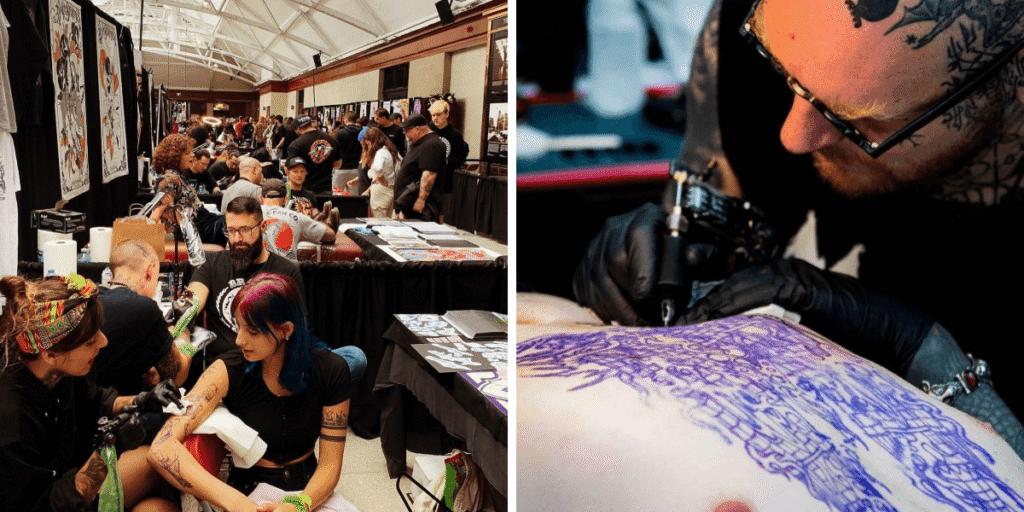
Deadlines for major conventions often fall 6–9 months before the event. Create a master calendar:
- January: Research conventions for the year. Bookmark official websites like World Tattoo Events.
- March: Submit applications for summer/fall conventions.
- June: Confirm booth bookings and arrange travel.
- September: Apply for early-bird guest spots for the next year.
Use a digital calendar with color coding: red for deadlines, green for confirmed events, yellow for pending.
6. Guest Spot Strategies: From Contact to Confirmation
Guest spots require more personal outreach. Here’s a workflow:
- Identify target studios (use studio search on Vietnam Tattoo or other directories).
- Research the studio’s style—ensure your work complements theirs.
- Send a professional email with a brief intro, portfolio link, and proposed dates.
- Follow up after one week if no reply.
- Negotiate terms (commission split, duration, client expectations).
Caveat: Some studios require a deposit or portfolio review fee. Always confirm terms in writing.
7. Financial Planning: Budgeting for Conventions and Guest Spots
Costs add up quickly. Plan for:
- Booth fees ($200–$3,000)
- Travel and accommodation (book early for discounts)
- Promotional materials (business cards, flyers, banners)
- Insurance (some conventions require liability insurance)
- Contingency fund (10–15% of total budget)
Track expenses in a spreadsheet and calculate potential ROI based on past event earnings.
8. Networking and On-Site Execution
Once at the event, maximize your presence:
- Network with other artists—swap contacts, share tips.
- Engage with attendees—offer flash tattoos or mini-consultations.
- Document your work—take photos and videos for social media.
- Collect feedback—ask clients about their experience.
After the event, send thank-you notes to organizers and new contacts. Update your portfolio with work done at the convention.
9. FAQ: Common Questions from Artists
How far in advance should I apply for a convention?
For major conventions, apply 6–12 months ahead. For smaller ones, 3–6 months is usually sufficient.
What if my application is rejected?
Improve your portfolio, consider a different booth size, or apply to a different convention. Some artists get accepted on their second try.
How do I find guest spot opportunities?
Use online directories like Vietnam Tattoo’s verified studios, follow studios on Instagram, and ask at conventions.
Can I do both a booth and guest spots at the same event?
Yes, but check with the organizer. Some conventions restrict guest spots during the event to avoid conflict.
Conclusion
Tracking tattoo conventions and guest spots is a skill that improves with practice. Use the strategies above, stay organized, and keep refining your portfolio. The tattoo community is global—your next big opportunity might be just one application away. For more resources, visit our magazine or consultation page.
Keep exploring Vietnam Tattoo
- Browse Ranking for notable studios by city, style, and intent.
- Search studios by city, verification level, and contact channel.
- View verified profiles to check approved and verified entries.
- Request a consultation if you need help choosing style, placement, or a suitable studio.
Content hub
Culture and events hub
Follow event calendars, tattoo festivals and community stories.
Related reading
Continue reading
The History of Tribal Tattoo Motifs: Meaning, Respect, and Modern Interpretation
Explore the deep cultural roots of tribal tattoos, their sacred meanings, and how modern artists respectfully reinterpret these…

Hai Phong Tattoo Travel Guide: Where to Get Inked in the Port City
Discover Hai Phong's tattoo scene: top studios, hygiene tips, pricing, and best time to visit. Your ultimate tattoo…
Nha Trang Tattoo Travel Guide: Safe Ink & Booking Tips for Visitors
Safe tattoo guide for Nha Trang visitors: studio checks, booking tips, aftercare in tropical climate. Verified artists and…