The Cover-Up Blueprint: Planning Your Tattoo Over Old Ink, Darkness, and Size
Introduction: The Art of Strategic Cover-Up
Covering an old tattoo is not simply tattoo over tattoo—it’s a deliberate, strategic design process. Whether you’re hiding a faded name, a poorly executed piece, or a design that no longer fits your aesthetic, the success of a cover-up depends on planning, not luck. This guide walks you through every decision point: from assessing your existing ink to choosing the right style, artist, and aftercare. No fluff, just expert-level clarity.
Step 1: Assess Your Old Tattoo Honestly
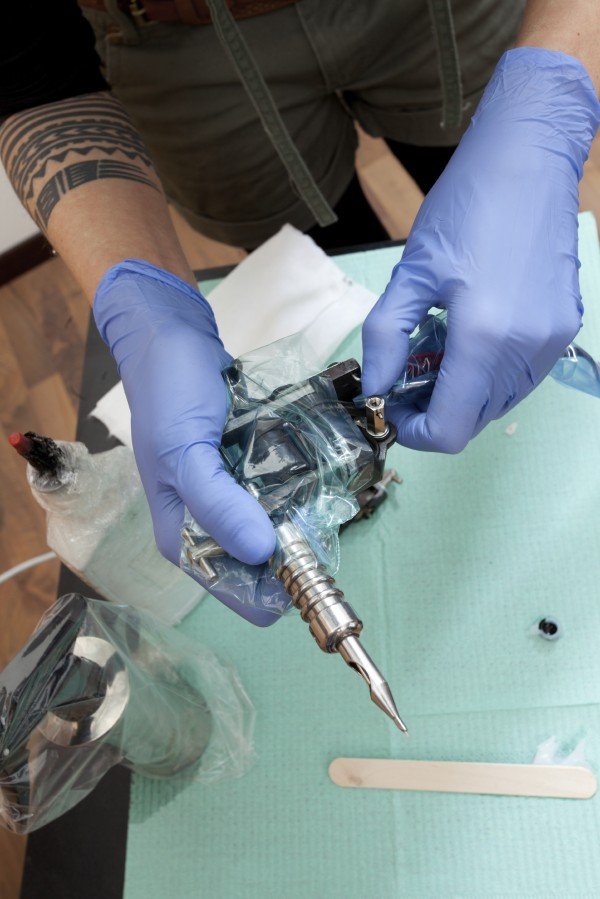
What You’re Working With
Before any design talk, look at your existing tattoo with a critical eye. Take a high-resolution photo in natural light. Note these factors:
- Ink darkness: How dense is the black? Is it solid or patchy? Darker ink is harder to cover.
- Line weight: Thick outlines require heavier coverage. Thin lines are easier to camouflage.
- Color: Bright colors (red, yellow, green) often need multiple sessions or specific color theory to neutralize.
- Age and fading: Older tattoos fade, which can work in your favor—but scar tissue complicates things.
- Location: Body placement affects skin stretching, aging, and visibility. Areas like ribs, ankles, and hands have thinner skin.
Common Cover-Up Challenges
If your old tattoo has dense black areas (e.g., solid black lettering, tribal bands), you cannot simply lay a lighter design over it. The black will show through. Similarly, scarred tattoos—from poor healing or laser attempts—create texture that ink behaves differently on. Be realistic: some tattoos require laser lightening first.
Step 2: The Golden Rule of Cover-Up Design
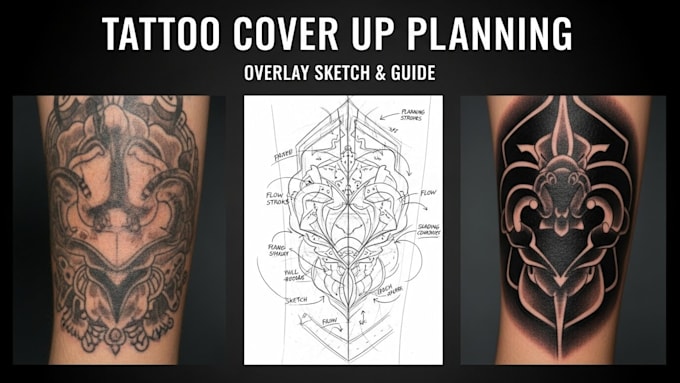
Bigger, Darker, Bolder
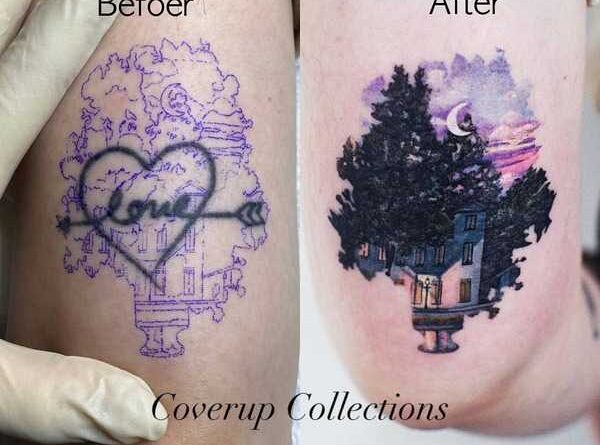
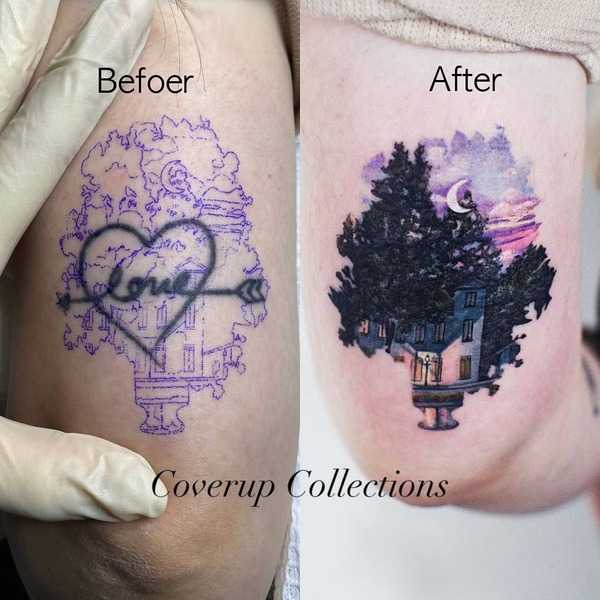
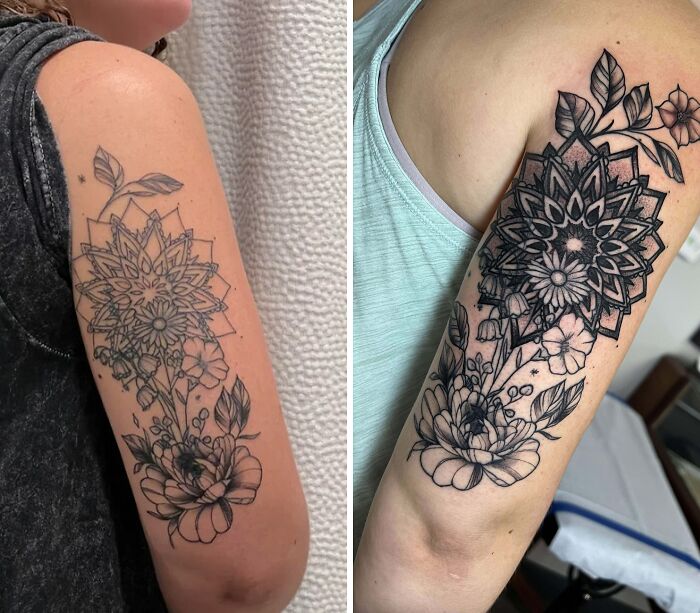
The new design must be 30-50% larger than the old tattoo. It must incorporate darker elements (shading, blackwork, or saturated color) to obscure the old ink. Light, airy designs like fine line or watercolor rarely work over dense old ink unless the original is very faint. Accept that your new tattoo will be more substantial.
Style Selection: What Works Best?
- Blackwork and Dotwork: Excellent for covering dark or large tattoos. Dotwork can create gradients that naturally camouflage lines.
- Neo-traditional: Thick lines, bold colors, and heavy shading—ideal for hiding old ink.
- Japanese traditional: Large motifs (koi, dragons, waves) with solid black and vibrant colors cover almost anything.
- Geometric tattoo and Ornamental: Symmetrical patterns with dense black sections work well, but require precise placement to align with old lines.
- Realism and Micro realism: Can work if the artist skillfully uses shadows and texture, but old dark lines may still peek through.
- Watercolor tattoo: Only suitable for very faded or small tattoos—otherwise, the old ink will muddy the effect.
- Fine line and Minimal: Rarely effective for cover-ups unless the original is tiny and light.
Step 3: The Consultation—What to Ask Your Artist
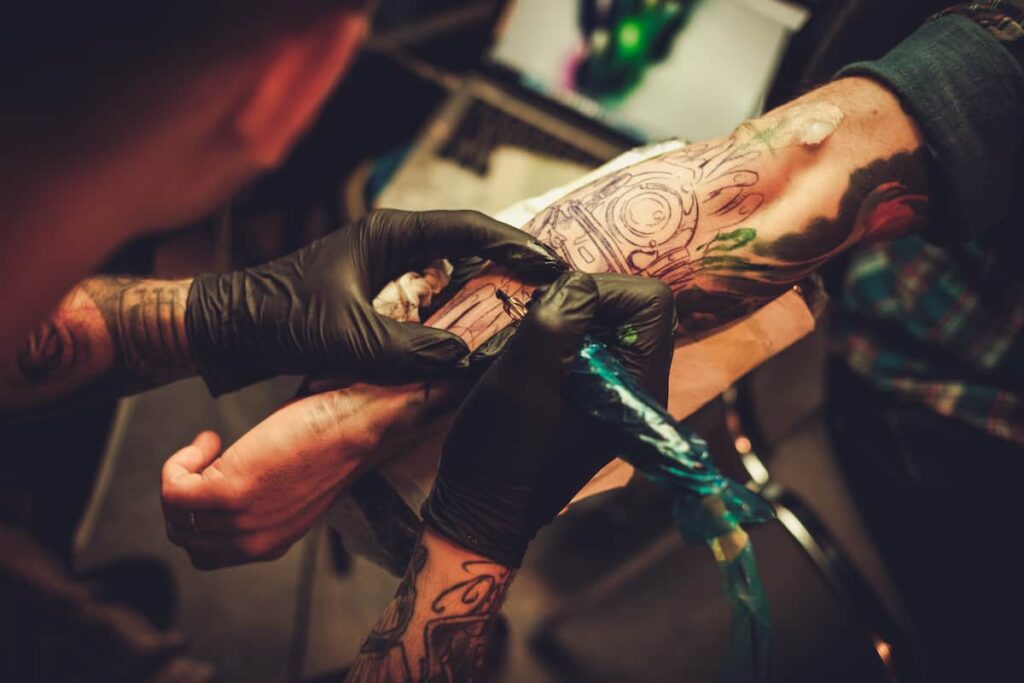
Book a consultation with a cover-up specialist. Bring photos of your old tattoo and any reference images. Ask these specific questions:
- “Can this be covered in one session, or will it require multiple?”
- “Do you recommend laser lightening first? If so, how many sessions?”
- “Will the old tattoo still be visible after healing?”
- “Show me examples of your cover-up work, especially with similar darkness and size.”
A good artist will be honest about limitations. If they promise a full cover-up on dense black with a light design, be skeptical.
Step 4: Laser Lightening—When and Why
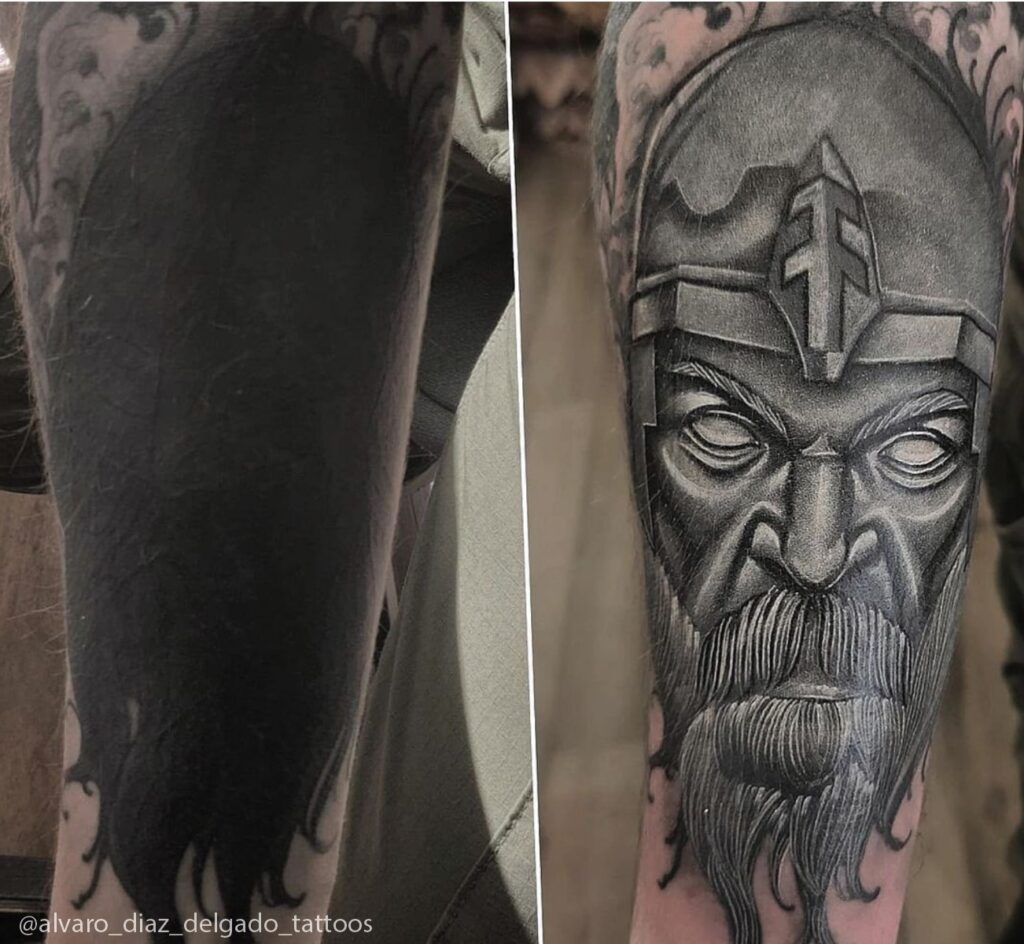
Laser tattoo removal isn’t just for erasing tattoos—it’s a tool for cover-up preparation. One or two sessions can lighten dark ink enough to allow more design options. This is especially useful for:
- Dense black tribal or lettering
- Bright colors that would require heavy saturation
- Scarred or raised tattoos
Wait at least 6-8 weeks after your last laser session before getting tattooed. Discuss this timeline with both your laser technician and tattoo artist.
Step 5: The Tattoo Session—What to Expect
Pain and Healing
Cover-up sessions often take longer than a new tattoo of the same size because the artist must work around old lines. The needle may pass over scarred or previously tattooed skin, which can be more painful. Plan for a longer session (4-6 hours or more).
Aftercare for Cover-Ups
Aftercare is critical. The new ink is layered over old ink, which can affect healing. Follow these guidelines:
- Keep the area clean and moisturized—but not overly wet.
- Avoid direct sunlight for at least 4 weeks.
- Do not pick scabs; the new design may lift if you do.
- Watch for signs of infection: excessive redness, swelling, or pus.
Step 6: Realistic Expectations—What to Accept

No cover-up is perfect. Even the best work may show a faint shadow of the old tattoo in certain lighting. Accept that the goal is improvement, not erasure. A successful cover-up makes the old ink nearly invisible to the casual eye, but you may still know it’s there.
Examples of Realistic Outcomes
- Old: Small faded name on wrist. New: Floral blackwork piece—old ink barely visible.
- Old: Dense black tribal band on forearm. New: Large Japanese dragon with heavy shading—old ink hidden well.
- Old: Bright red rose on shoulder. New: Neo-traditional panther head with deep reds and blacks—some red may peek through.
FAQ
1. Can any tattoo be covered?
Most tattoos can be improved, but very dense black or heavily scarred tattoos may require laser lightening first. An experienced cover-up artist can assess your specific situation.
2. How much larger does the new design need to be?
Typically 30-50% larger than the old tattoo. The new design must extend beyond the old boundaries to blend the edges naturally.
3. Will the old tattoo show through after healing?
In some cases, a faint outline may be visible, especially in bright light. Discuss this with your artist during consultation. Realistic expectations are key.
4. Is it cheaper to cover or remove a tattoo?
Cover-up costs vary based on size and complexity, but generally, covering a tattoo is less expensive than multiple laser removal sessions. However, a high-quality cover-up may still be a significant investment.
Final Checklist Before Booking
- ☐ Assess old tattoo: darkness, colors, scarring.
- ☐ Research cover-up specialists—check their portfolios.
- ☐ Attend an in-person consultation.
- ☐ Consider laser lightening if needed.
- ☐ Accept that the new design will be larger and darker.
- ☐ Plan for longer session and proper aftercare.
For more guidance, explore our rankings of top cover-up artists or book a free consultation. If you’re looking for inspiration, browse our magazine for cover-up stories and design ideas. You can also search studios in your area or check verified studio profiles for trusted professionals. For supplies and tools, visit our tattoo marketplace.
Content hub
Tattoo aftercare pillar
This article belongs to the aftercare cluster. Open the pillar page for the healing timeline, cleaning routine, moisturizing basics and warning signs.
Related reading
Continue reading

Tattoo Swelling by Body Placement: What’s Normal and When to Seek Help
Swelling after a tattoo is normal, but it varies by body placement. Learn what to expect, normal vs.…
Tattoo Touch-Up Guide: When Color Settles, When to Wait, and When to Ask
Learn when to wait, when to ask, and what to expect from a tattoo touch-up. A practical guide…

The Complete Tattoo Consultation Checklist: What You Must Know Before Booking a Custom Design
A complete guide to your first tattoo consultation: from idea brief and references to skin check, placement, pain,…