Complete Tattoo Aftercare Guide: Expert Timeline, Checklist & Warning Signs
Introduction
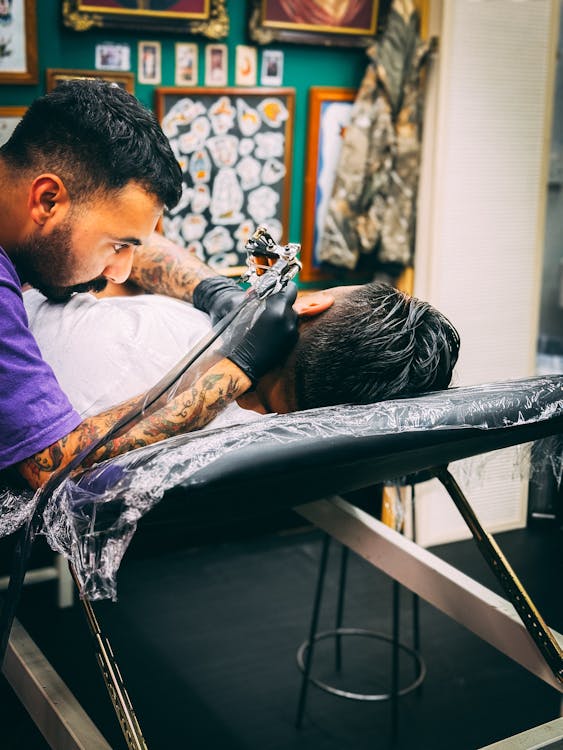
Getting a tattoo is just the beginning. Proper aftercare determines how your artwork heals, how vibrant the colors stay, and how your skin recovers. This guide covers everything from the first hour to full healing, with expert insights, practical checklists, and clear warning signs. Always follow your artist’s specific instructions, as techniques vary.
First Hours: The Golden Window
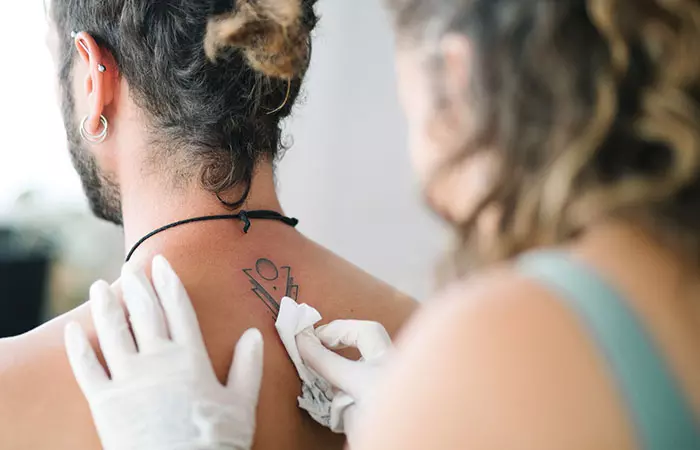
Immediately after your session, your artist will clean the area and apply a bandage or film. Keep it on for the recommended time—usually 2 to 6 hours, or up to 24 hours with modern breathable films. Do not re-bandage with plastic wrap; it can trap bacteria. Wash your hands before touching the bandage.
- Leave the initial bandage in place as directed.
- If using a film, you may shower after 24 hours, but avoid direct water pressure on the tattoo.
- Do not submerge in water (baths, pools, oceans).
First Week: Gentle Cleaning & Moisturizing
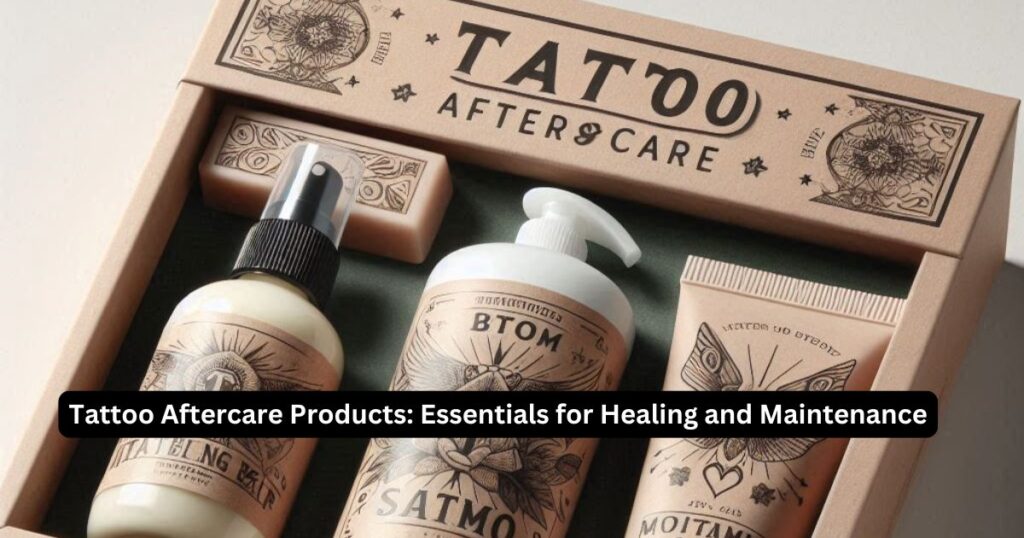
Wash your tattoo twice daily with lukewarm water and a mild, fragrance-free soap. Use your clean hand, not a cloth. Pat dry with a paper towel—never rub. Apply a thin layer of unscented moisturizer or a product recommended by your artist. Too much moisture can clog pores and cause breakouts.
Day-by-Day Guide
Days 1–3: The tattoo may be slightly swollen, red, and tender. This is normal. Avoid tight clothing over the area. Sleep on clean sheets; consider a dedicated pillowcase if the tattoo is on your head or neck.
Days 4–7: Peeling and itching begin. Do not scratch or pick. Gently tap if itchy. Continue washing and moisturizing. Some flaking of colored ink is normal, but excessive loss may require a touch-up.
Peeling Phase: What to Expect
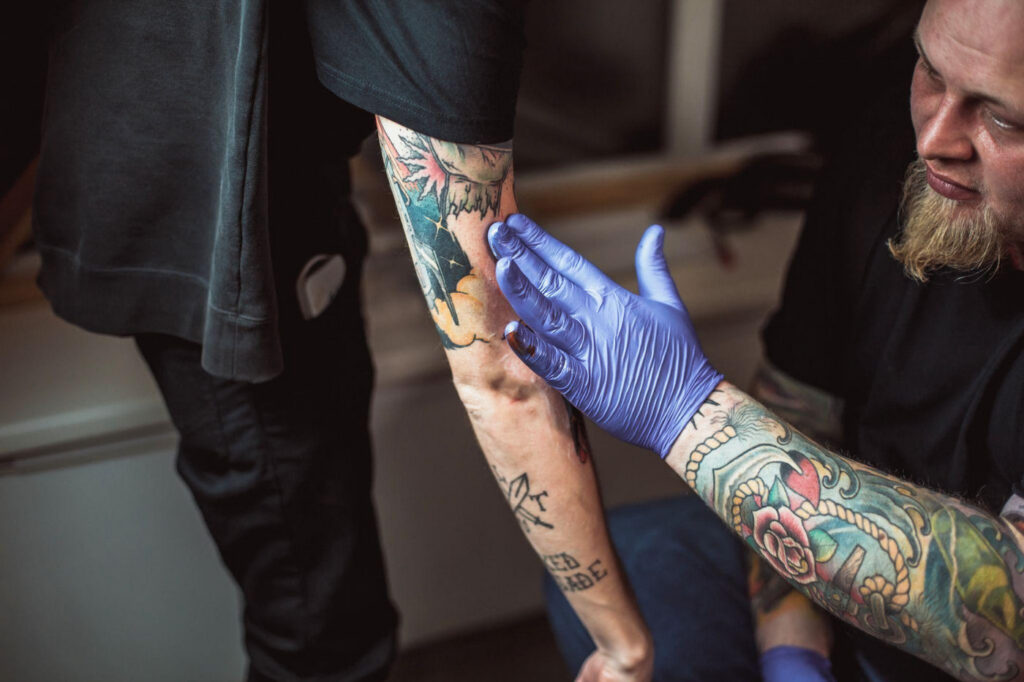
Peeling usually starts around day 4 and lasts 3–5 days. The skin will shed in thin, colored flakes. This is part of healing, not a problem. Keep up with gentle washing and light moisturizing. If the peeling is accompanied by yellow or green pus, spreading redness, or fever, seek medical attention.
Moisturizing: Less Is More
Apply moisturizer only when the skin feels dry, usually 2–3 times per day. Use a pea-sized amount and spread thinly. Products to avoid: petroleum jelly, heavy creams, and anything with fragrance, alcohol, or lanolin. Stick to unscented lotions or tattoo-specific balms.
Bathing & Swimming
Showers are fine after the first 24 hours if you keep the tattoo out of direct spray. Baths, hot tubs, swimming pools, and natural water bodies are off-limits until the tattoo is fully healed (usually 2–4 weeks). Water can introduce bacteria and damage the healing skin.
Clothing & Sleep
Wear loose, soft, breathable fabrics over your tattoo. Cotton is ideal. Avoid synthetic or tight clothing that can rub. For sleep, position yourself so the tattoo is not pressed against the mattress. If the tattoo is on a limb, consider elevating it slightly to reduce swelling.
Exercise & Sweat
Avoid intense exercise for at least 48 hours—or longer if the tattoo is in a high-movement area like a joint. Sweat can irritate the healing wound. When you resume, clean the tattoo immediately after. Activities that cause friction (e.g., weightlifting straps) should be avoided for 1–2 weeks.
Warning Signs: When to Act
Contact your artist or a healthcare professional if you notice any of the following:
- Increasing redness, swelling, or warmth beyond the tattoo area.
- Yellow, green, or foul-smelling discharge.
- Fever or chills.
- Intense pain that worsens instead of improving.
- Open sores or blisters that are not part of normal healing.
This guide does not replace medical advice. If in doubt, consult a doctor.
When to Contact Your Artist
Your artist is your first point of contact for healing questions. Reach out if you suspect an infection, have concerns about ink fallout, or need advice on touch-ups. Most artists offer free touch-ups within a year, but don’t wait too long—some require the tattoo to be fully healed first.
FAQ
1. Can I use sunscreen on a healing tattoo?
No. Sunscreen contains chemicals that can irritate a fresh tattoo. Keep it covered or shaded until fully healed (at least 4 weeks). After healing, always use high-SPF, mineral-based sunscreen.
2. How long does it take for a tattoo to fully heal?
Surface healing takes 2–4 weeks, but deeper layers may take months. Full maturation of the skin and ink can take up to 6 months. Continue gentle care during this time.
3. Is it normal for the tattoo to look dull after peeling?
Yes. A temporary cloudy layer forms as the skin regenerates. Once the skin fully heals, the true colors will reappear. This can take 2–4 weeks.
4. Can I shave over my new tattoo?
Avoid shaving until the tattoo is fully healed (at least 4 weeks). Shaving can irritate the skin and cause infection or ink loss.
Internal Resources
For more on choosing a safe studio, read our artist verification guide. To find experienced artists, browse our artist and studio directory. For general tattoo knowledge, visit our magazine. If you need personalized advice, use our consultation service.
Read more
- Magazine for more tattoo knowledge, style guides and aftercare notes.
- Request a consultation if you need help with style, placement or preparation.
- Marketplace for equipment, supplies and learning resources.
Content hub
Tattoo aftercare hub
Read more guides on hygiene, healing stages, moisturizing and problem signs.
View related hubRelated reading
Continue reading
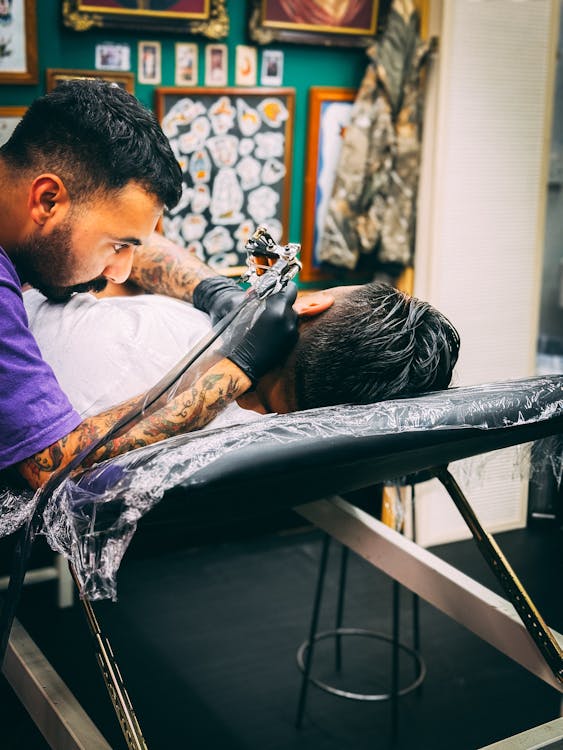
The Ultimate Pre-Tattoo Checklist: What to Do Before Getting Inked
Expert pre-tattoo checklist covering sleep, food, hydration, alcohol, skin prep, reference prep, consent, budget, pain planning, and etiquette…

The Definitive Pre-Tattoo Checklist: What to Do Before Getting Inked
A comprehensive pre-tattoo checklist covering sleep, nutrition, hydration, alcohol, medications, skin prep, references, consent, budget, pain planning, and…
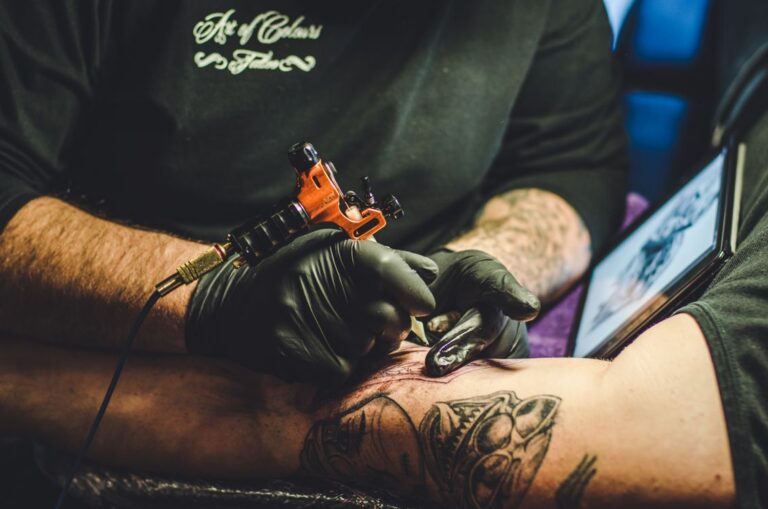
The Complete Tattoo Aftercare Guide: Expert Steps for Healing
Expert guide to tattoo aftercare: first hours, cleansing, peeling, moisturizing, bathing, clothing, sleep, exercise, warning signs, and when…